The museum
The museum, dedicated and dedicated to“Etruschi di Frontiera”, collects the findings from the centre of Villanoviano and Etruscan-campano of Pontecagnano, a southern outpost of the populations originating in central Italy.
The only state museum in the Salento area, the museum of Pontecagnano preserves a heritage of invaluable value from the settlement that developed in the area from9th century BC.
The most important nucleus of the collection is the findings from beyond10,000 burialsdug in the necropolis.
Exhibition path
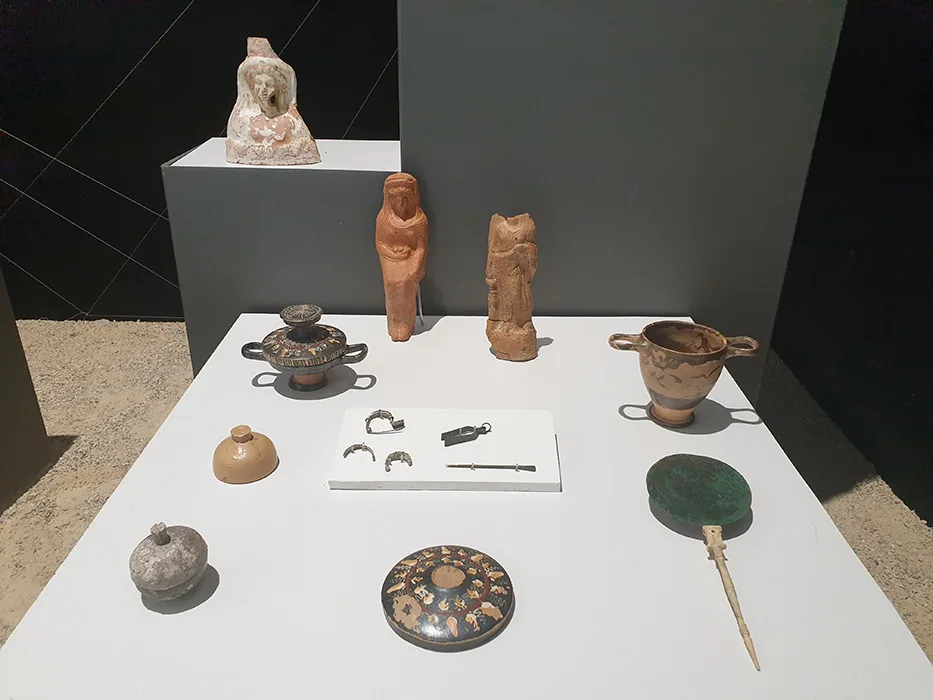
The route winds in a chronological sense, narrating the long history of the territory from the oldest testimonies of prehistoric age to the foundation of the Roman city ofPicentia. The exhibition offers visitors moments of insight into the city and its urban development, necropolis, sanctuaries and artisanal productions.
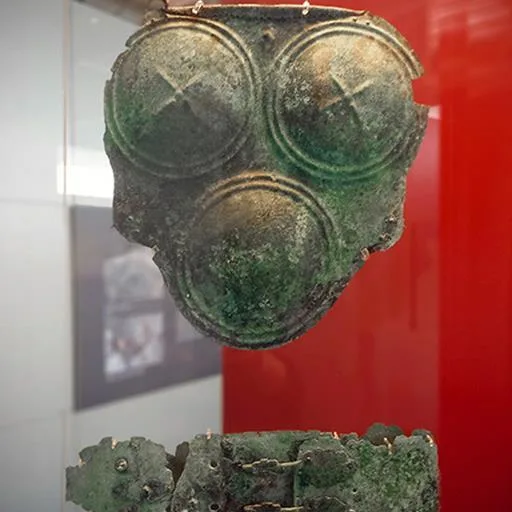
Relevant is the section dedicated to the aristocracies of the Eastern period, between the end of the VIII and the end of the VII century BC. At this time some burials are reported which have been called “principesche” for the composition and quality of the funerary kit,
The exhibition develops in six sections:
1. Prehistory – The Age of Copper
2. The first Iron Age
3. The City of Principles – The Orientalist
4. The archaic city
5. Classical and Hellenistic Age
6. The Roman Age
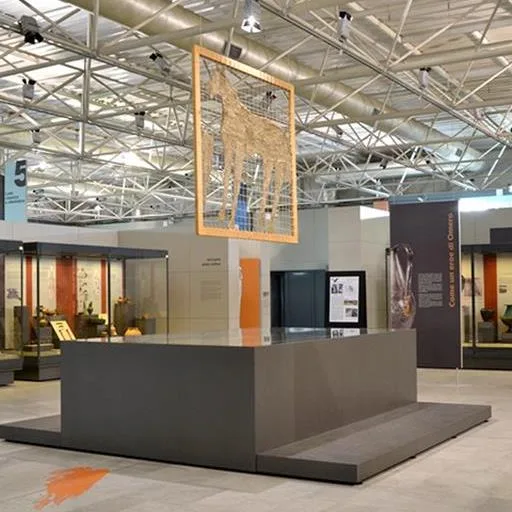
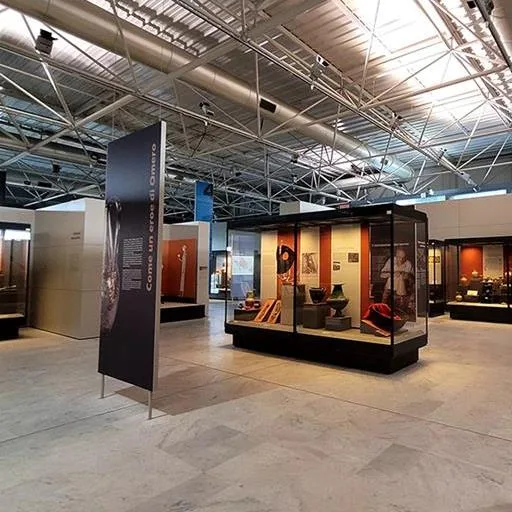
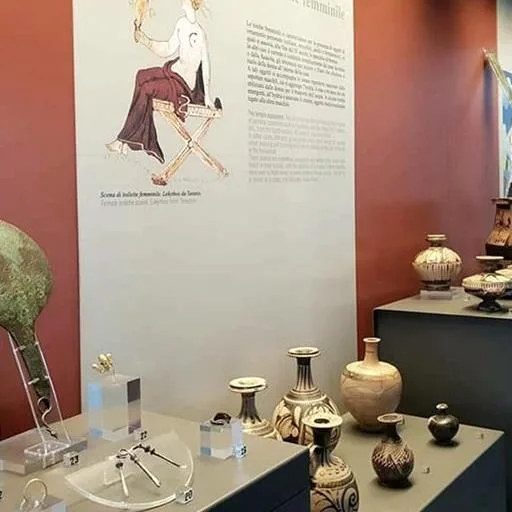
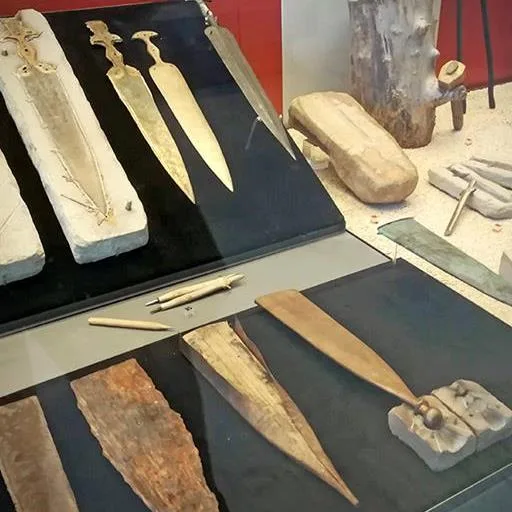
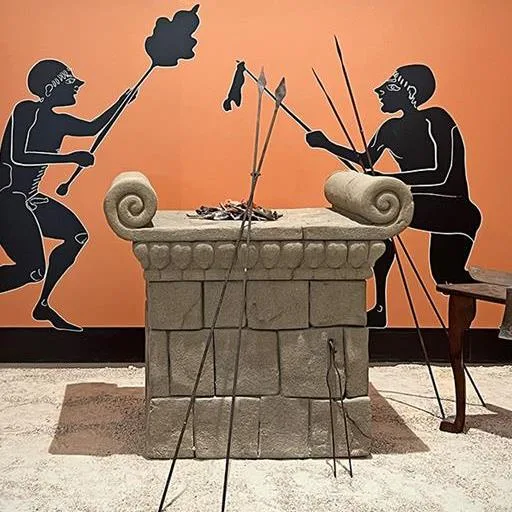
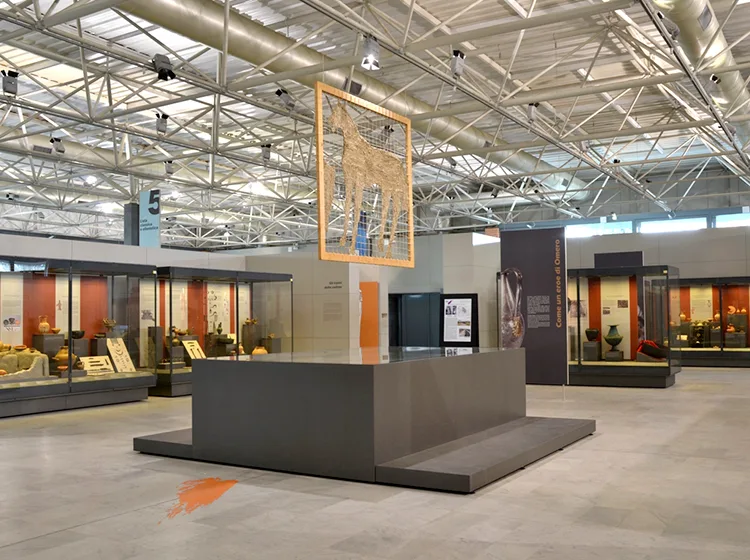
Opened in2007,the museum uses many modern educational equipment, graphic reconstructions, settings, reproductions of objects and burials.
Treasures to discover
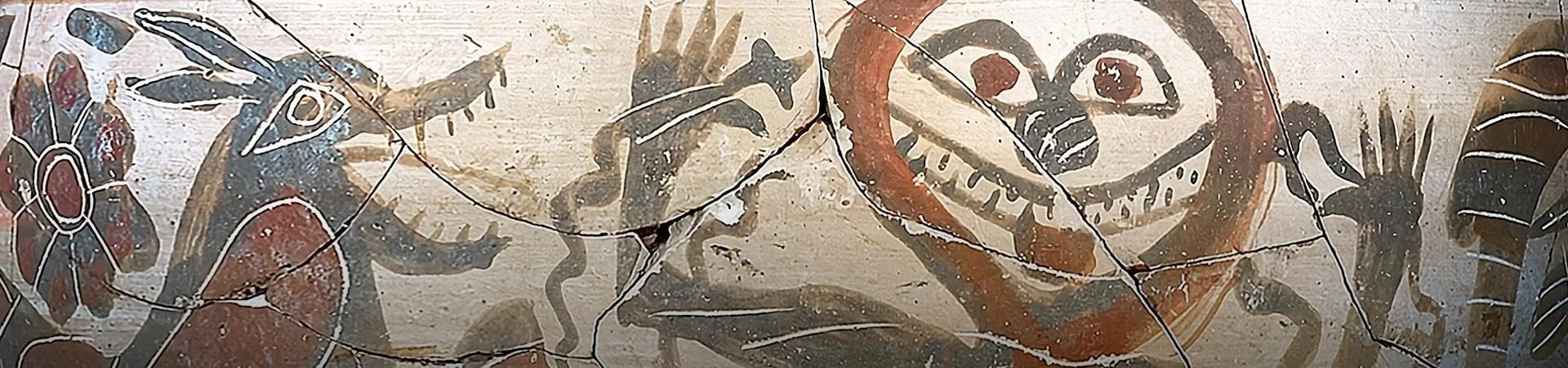
– Kotyleof the “Pittore del Lupo villa”– 6th century BC (tomb 856)
At the beginning of the 6th century B.C. arrived in Pontecagnano vasai emigrated from the Etruscan that start a production of figurative ceramics and imitation of the Greek city of Corinto. Two workshops can be distinguished by style, each of which works on the narrow dependence of an aristocratic family. The painter of the Bad Wolf stands out for the originality in the rendering of subjects and in the reinterpretation of iconographic schemes.
– Configured dough helmet – end IX century BC (sporadic)
The mixture helmet presents at the top of all round human figurines, with the head, the torso and the ends greatly developed. The limbs, somewhat reduced, indicate that the two characters are depicted seated. The left figure, slightly higher, is feminine: it shows the presence of the breasts and a thin braid along the back. The woman, perhaps a deity, cries the male character made with a massive head covered by a headdress. Man is most likely the deceased who is accompanied on his journey to the afterlife.
Curiosity / to know
– The tombs of Pontecagnano
In the western part of Pontecagnano, on the left of the river Picentino, a necropolis with burials has been found that attest to a stable occupation of the territory already in the Aenolithic Age. The tombs, of the type to grotticella, were constituted by a well of access in which ritual sacrifices took place and a sepulchral cell in which the deceased were laid with the objects of kitten.
– The village centre
With the arrival of people from Etruria, the settlement of Pontecagnano was born, which, together with Capua and Sala Consilina, is one of the ‘villanoviani’ centers of Campania, characterized by the Etruscan ritual of the incineration. The shredded remains of the deceased were laid in large biconic ossuaries, with helmet-shaped lid for men and women’s scodellone. The settlement is at the centre of a circuit of exchanges involving the entire Mediterranean, as shown by objects from Sardinia, Sicily, Greece, Egypt and the Middle East.
– The ancient Picentia
In 268 BC, on the site of the Etruscan-Spanish town, the Romans founded Picentia. The rebellious city rises in the times of the invasion of Hannibal, after which the Romans establish in control of the territory the colony of Salernum, and during the social war (90-89 BC), when it suffers a violent destruction. By now devoid of administrative autonomy, the town continues to be attended until the 5th century AD..


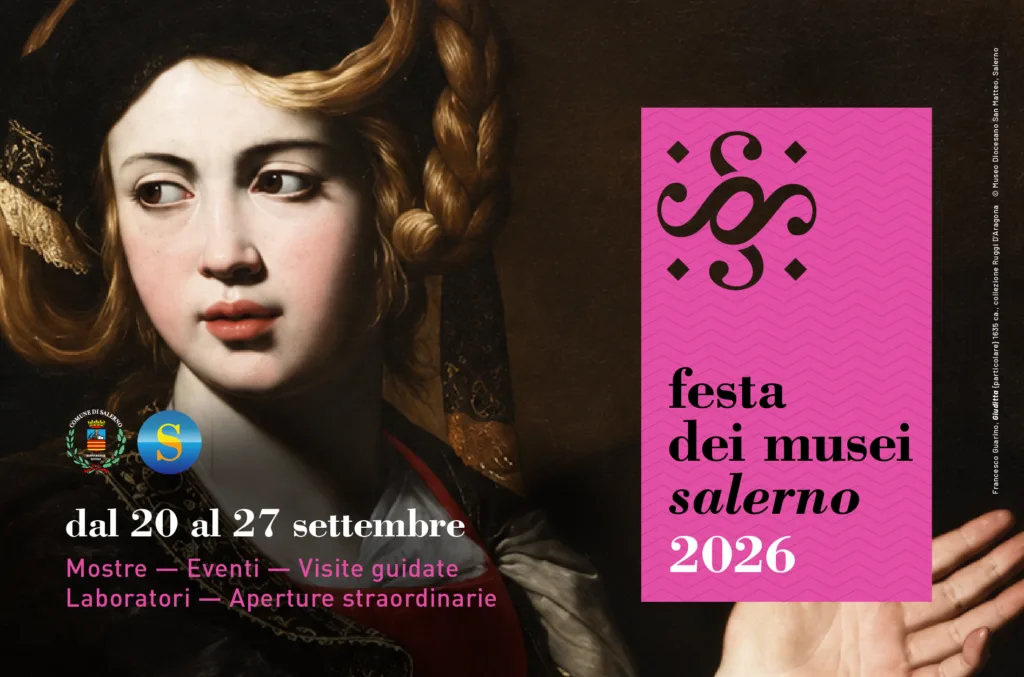 L'evento inizierà tra 2 giorniFestival of museums Salerno 2026 free 20 Sep 2026 – 27 Sep 2026