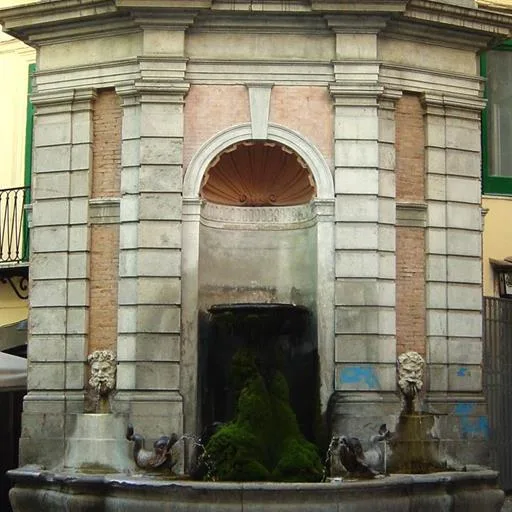
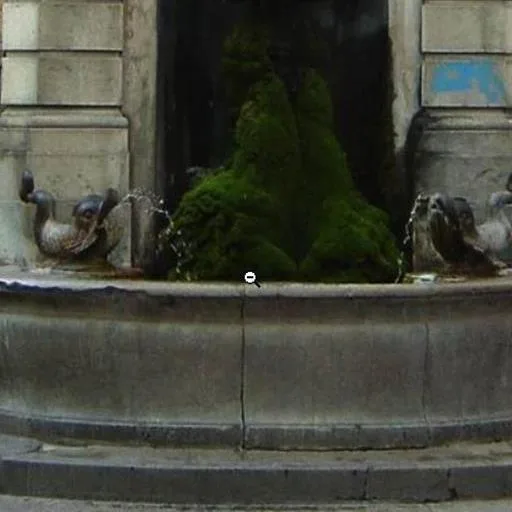
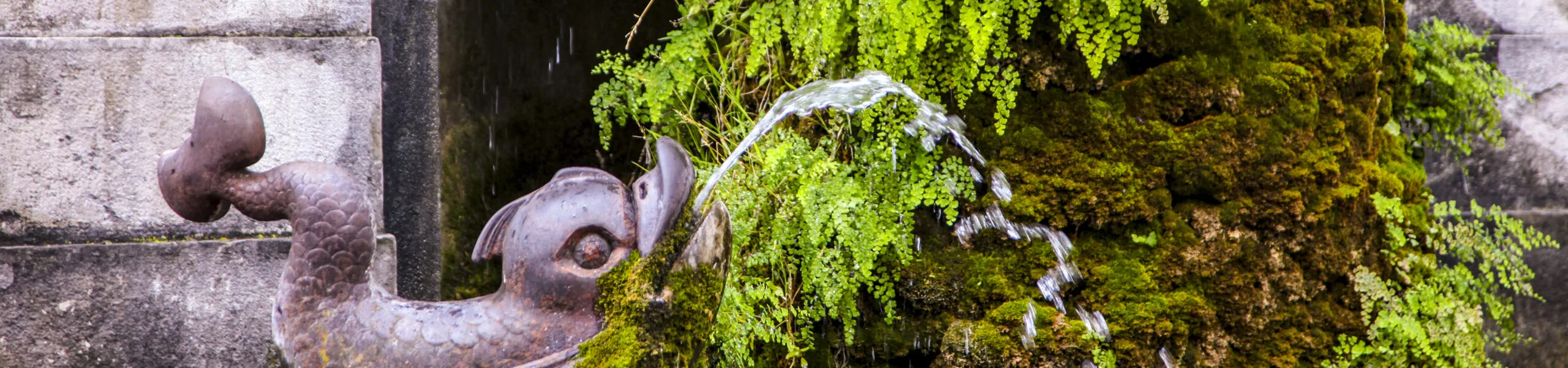
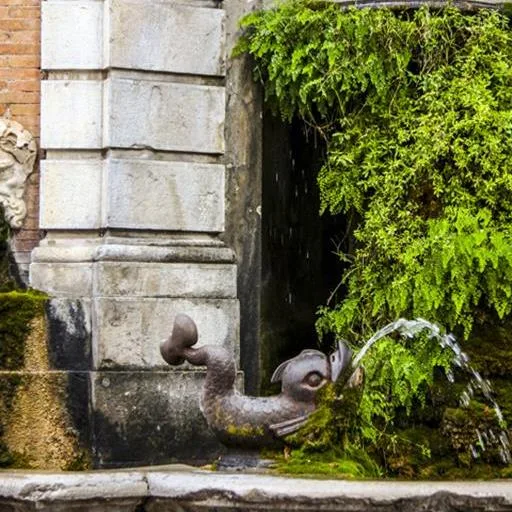
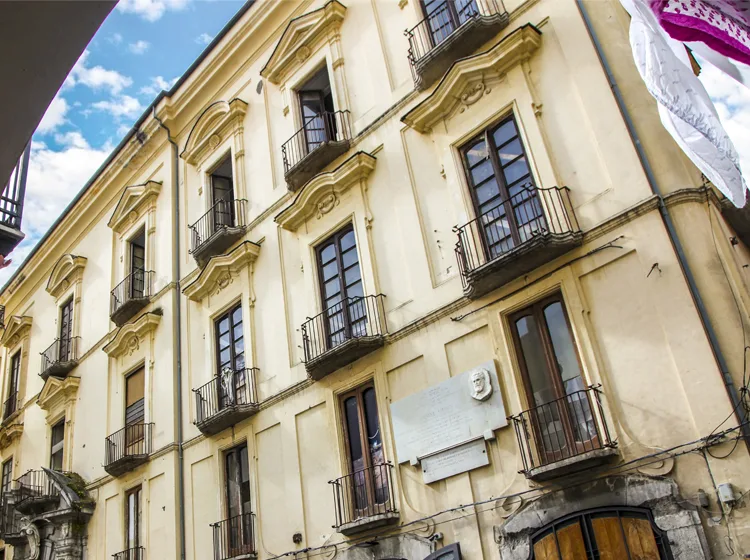
With the magnificent Palazzo Genovese to do as a fifth and the dolphin fountain that embellishes a corner, Piazza Sedile del Campo, “Largo Campo” for the Salento, has been in the various eras of the city history the propulsor center of every activity.
Here in the ancient “Campus grani” the Romans held the wheat market and here was the living room of the ancient city, with the “bank”, “luxury shops”, “the coffee of the lords”, the jeweler of “ancient house”, the changing “capricciosa” and the bookcase “progressista”.
Here, in the late Middle Ages, the craftsmen’s guilds had the faculty to express complaints and discuss in the presence of the seats’ notables.
At “Act Rateprandi”, initially, there were important routes of the upper part of the ancient city, but, later, with the opening of Porta Catena, the area up to “the arc of Arechi” was largely transformed. The Church of S.Andrea de Lavina is located at the height of the ancient “Port Rateprandi”.
Founded in 806, it has a Crypt adorned with precious frescoes, the medieval facade and the Arabic bell tower.
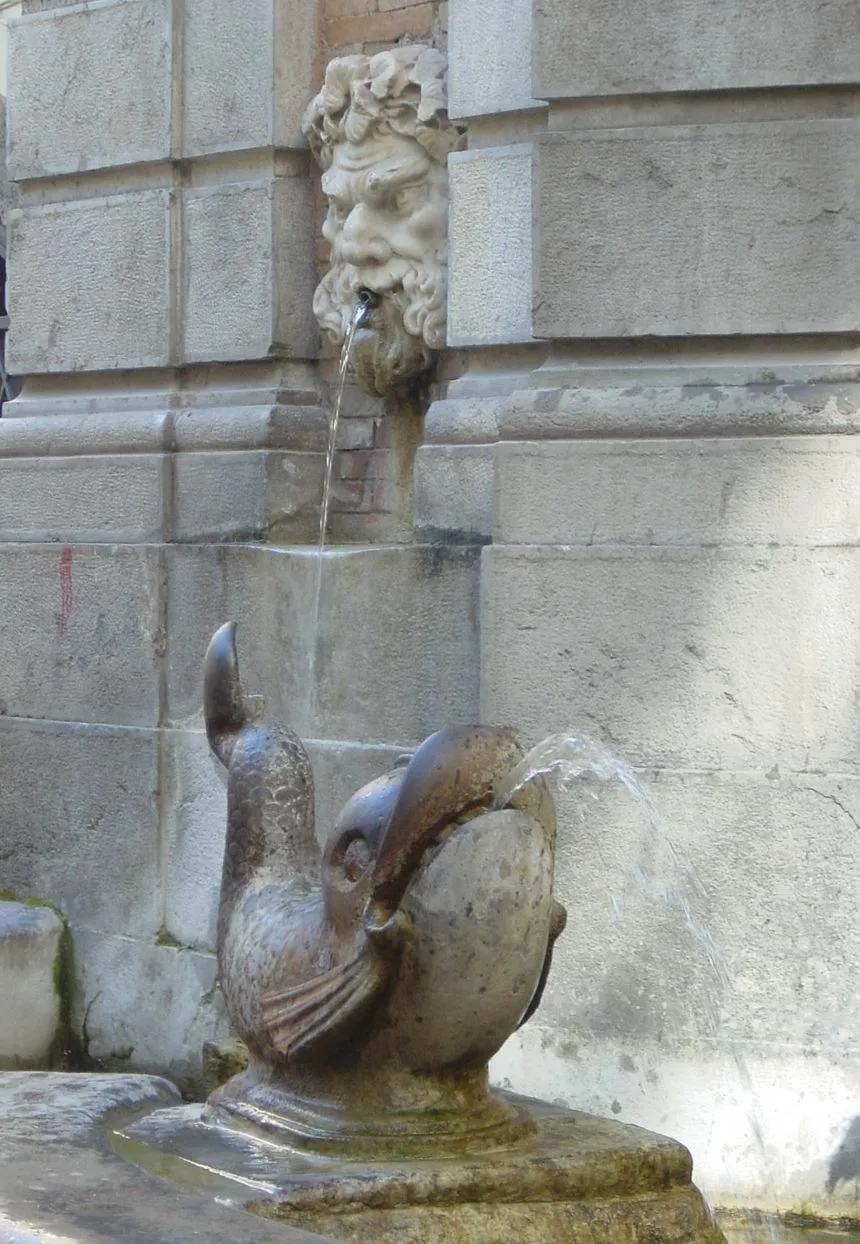
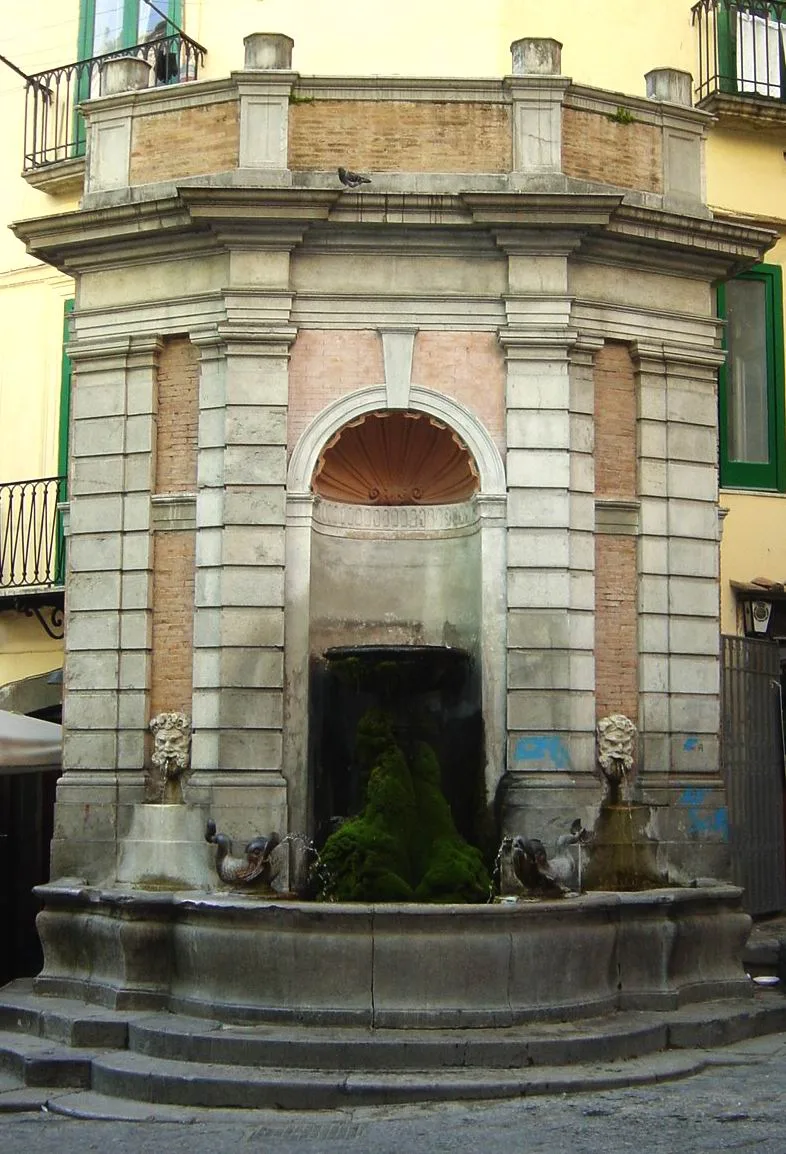
The fountain was built in 1600, attributed incorrectly to the Vanvitelli, exposed at the bottom of the Via Dogana Vecchia, with dolphins, calyx bath and grotesque masks, glazing water.
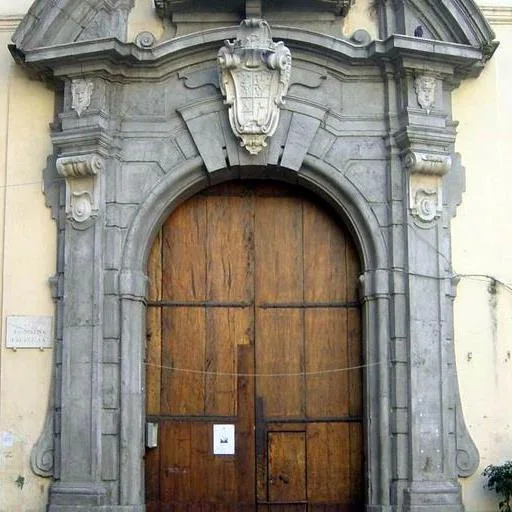
In the Piazza del Campo there are also some noble buildings, such as the Palazzo Bottiglieri, the symmetrical project and the magnificent portal of tuff with characteristic head and the Palazzo Genovese, of Baroque art, now home to exhibition events.
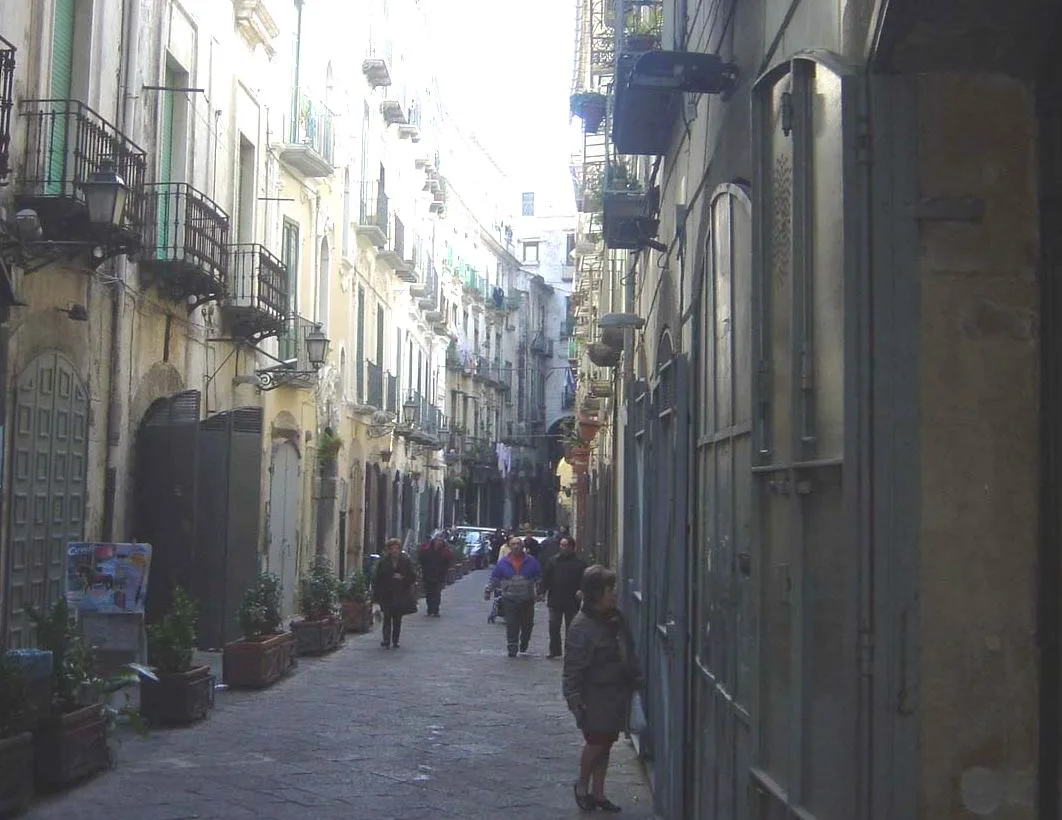
Next to the square of the Campo we find the alley of the Galesses. Once rich in craftsmen’s workshops, the alley today is remembered, because here he was born and spent his childhood and early youth the poet Alfonso Gatto
(1909-76).
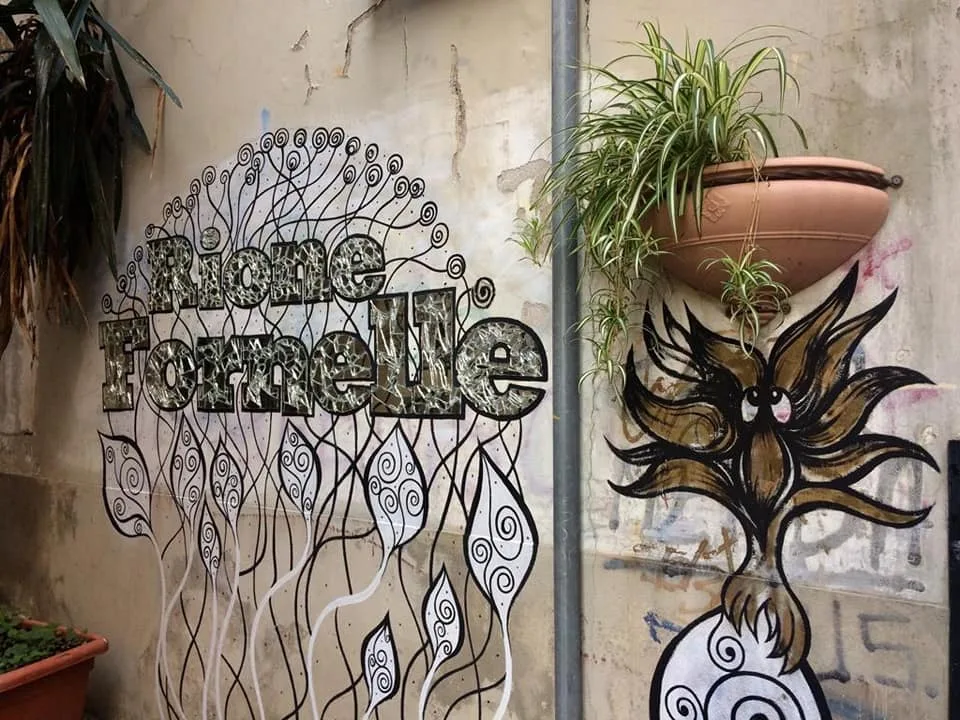
Proceeding from Largo Campo to Porta Catena you can enter the characteristic Fornelle ring. Born around the 9th century, it is called to remember the presence of ovens for the cooking of ceramics implanted by the Vietresi. During the Principality here were also housed amalfitans fleeing Saracen incursors, which increased the development of ovens for baking of the terraces. Before the 1954 flood that struck above all this rione, the originality of the Fornelles was given by very narrow vicoletti with houses equipped with large terraces on the courtyards. Today the district is home to a street art project with murals that embellish it and deserve a careful visit.


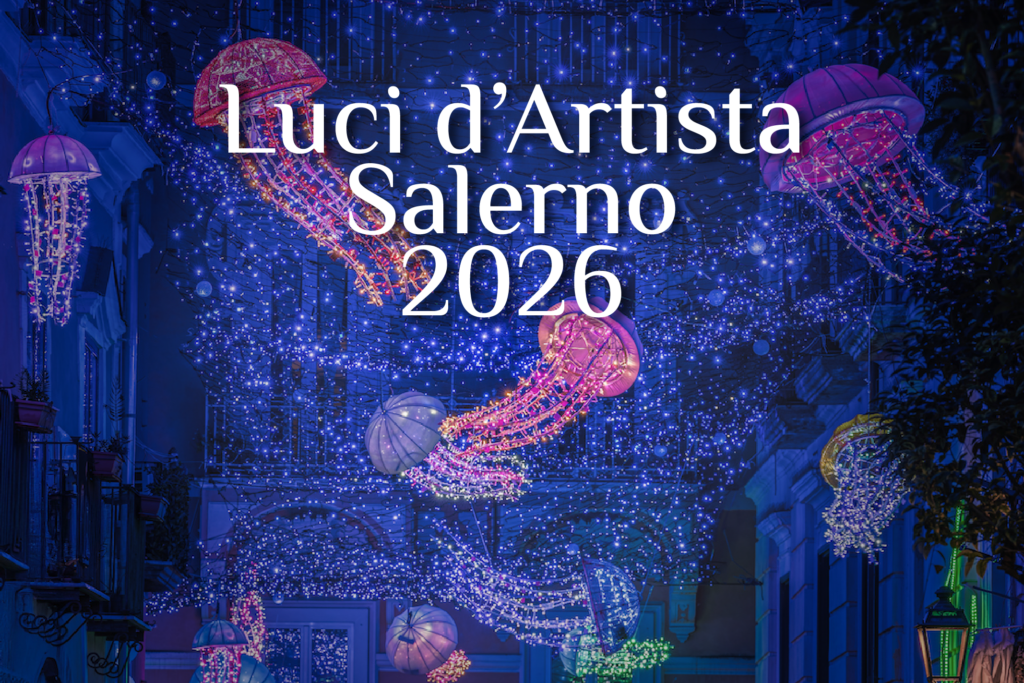 L'evento inizierà tra 71 giorniArtist’s lights – 2026-2027 free 14 Nov 2026 – 1 Feb 2027