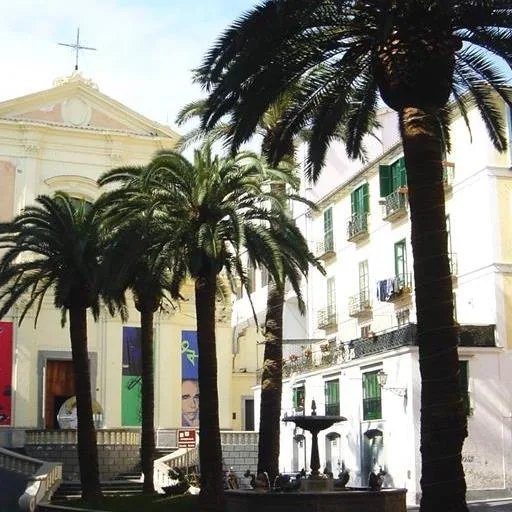
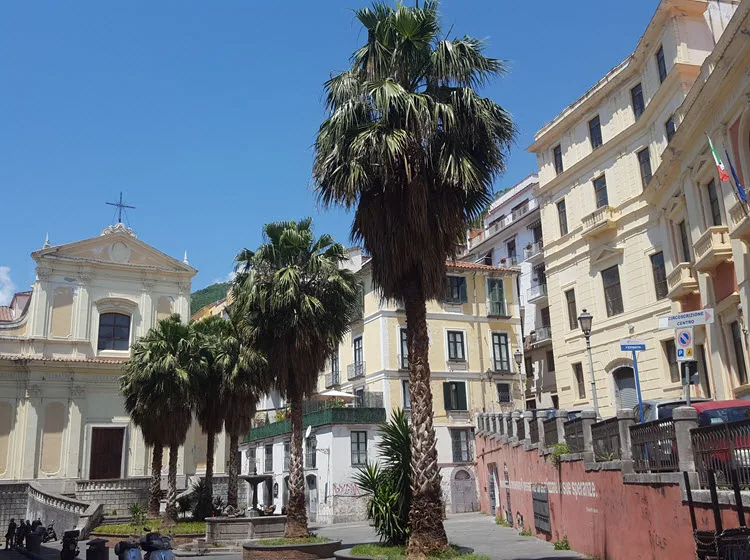
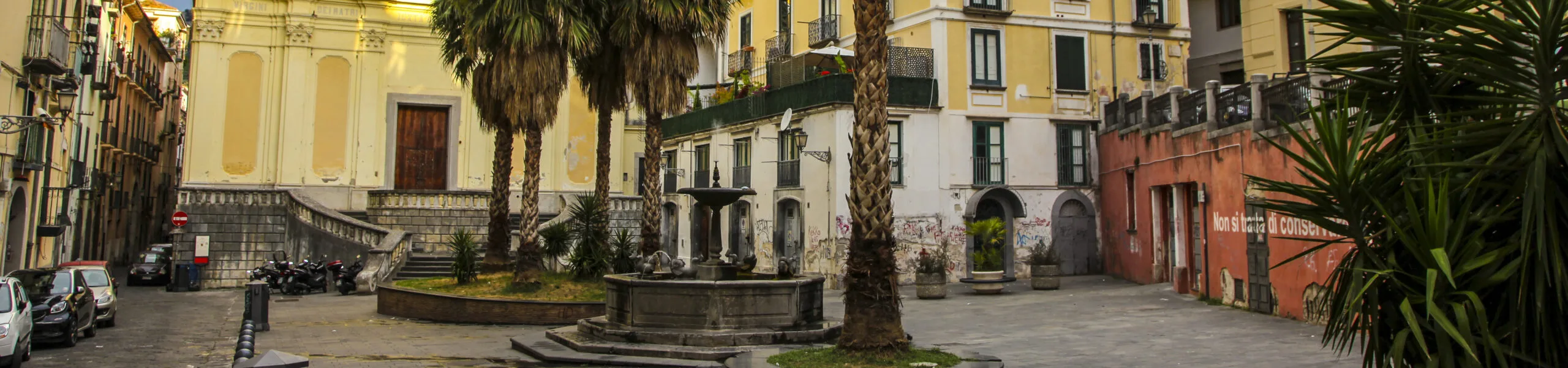
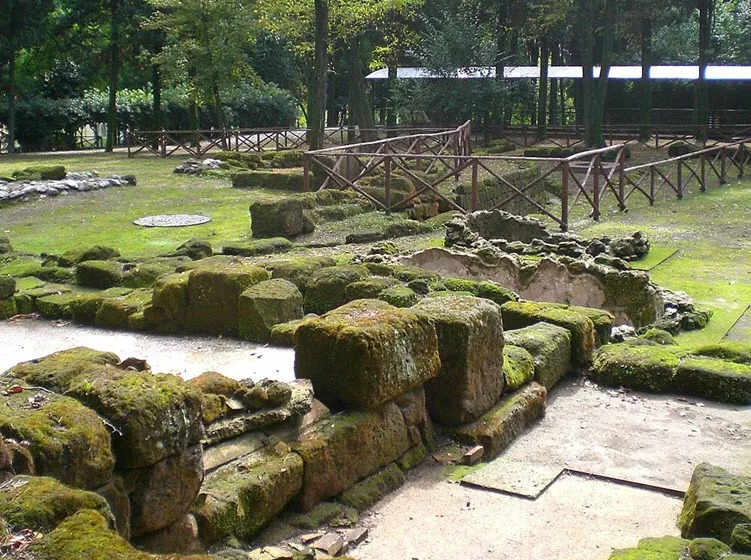
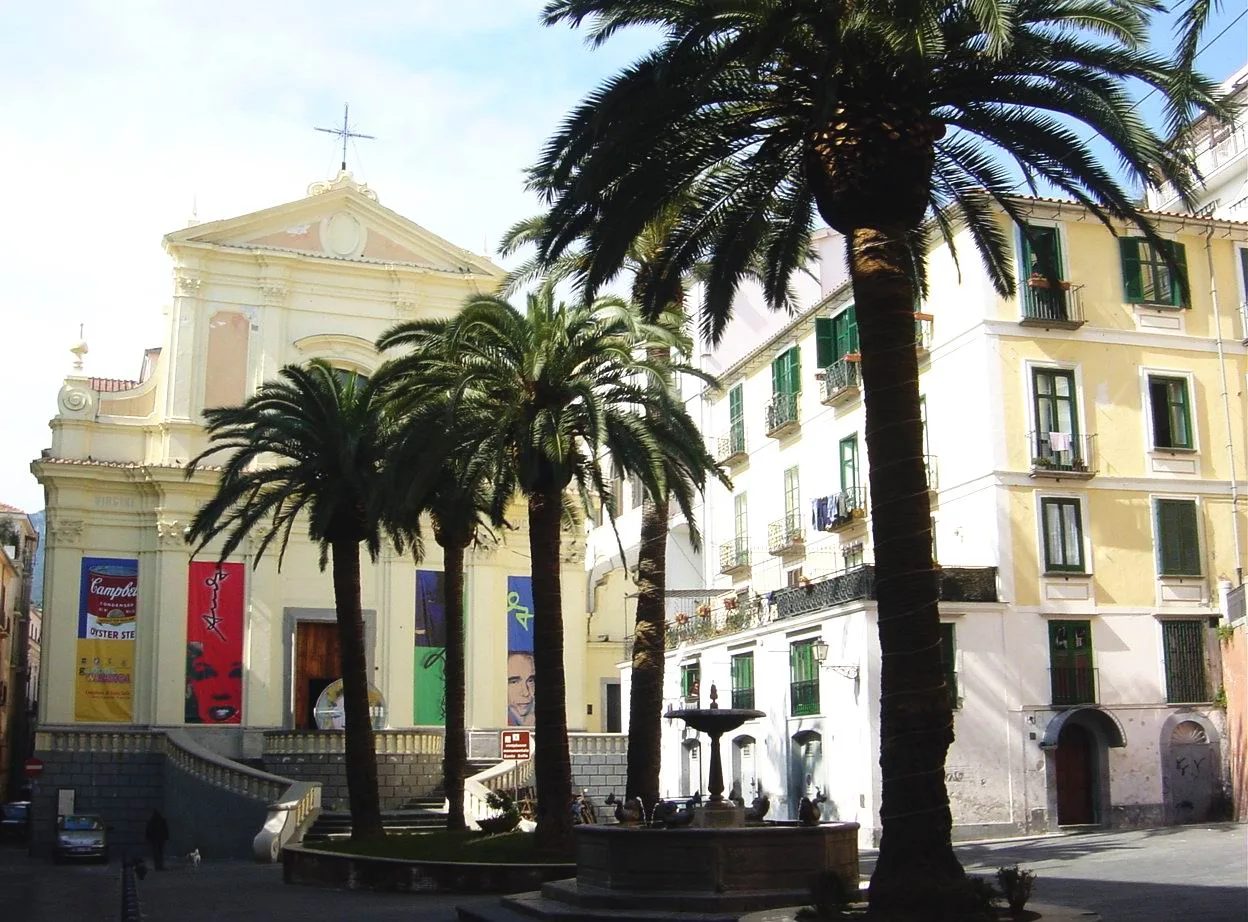
Piazza Abate Conforti, according to some scholars the seat of the Forum of Roman Salernum, has represented for centuries the center of political, economic and religious life of the city.
Most buildings that overlook it date back to the Middle Ages:former Convent of St. Mary Magdalene, today National Convitto “Torquato Tasso”,Convent of Santa Sofia and the Church of the Addolorata, lState Archives.
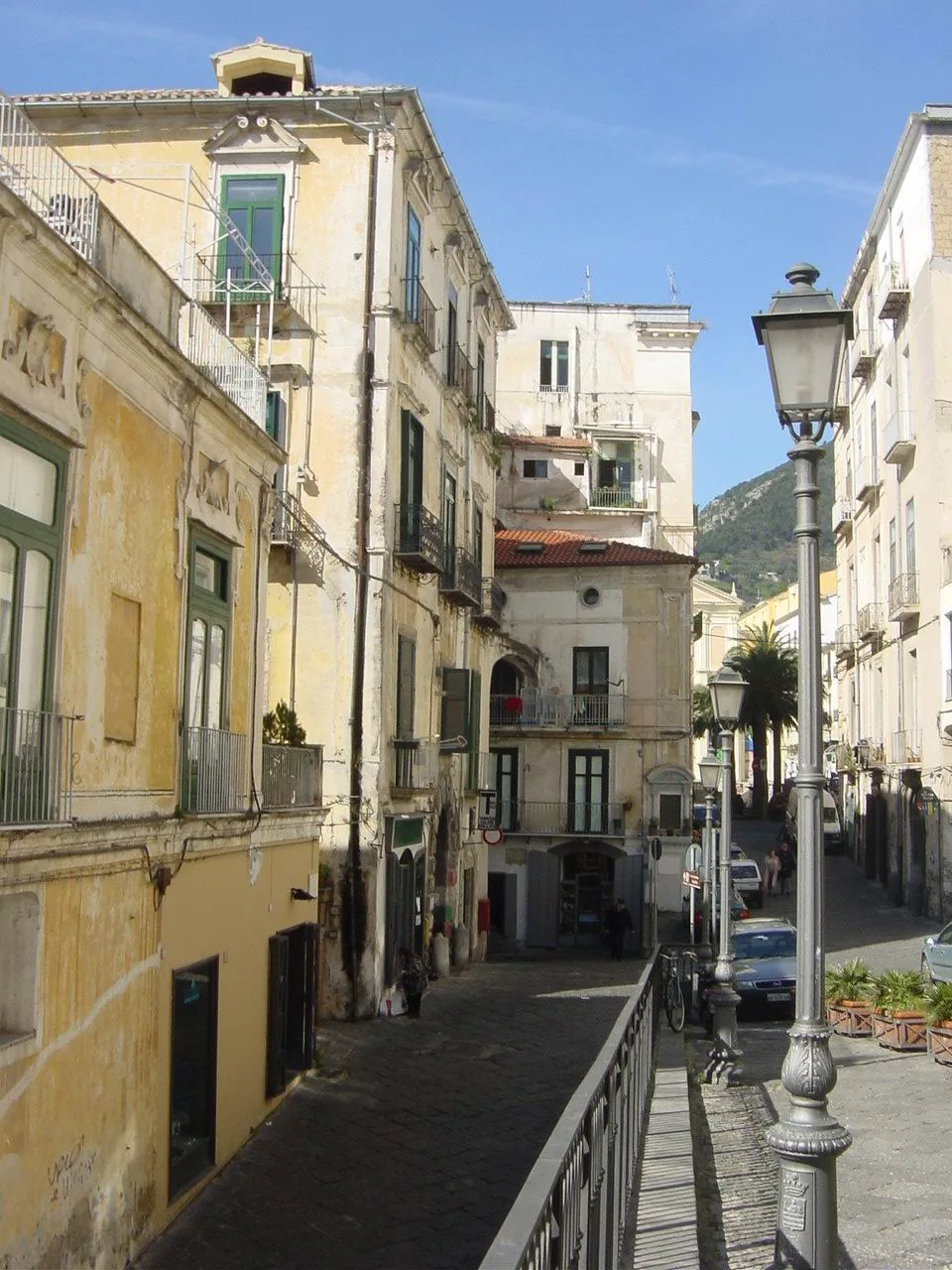
From Piazza Conforti, taking Via Tasso or Via Trotula De’ Ruggiero, you can start a beautiful walk in the residential districts of ancient Salerno, in the area called “Plaium Montis”, at the foot of Mount Bonadies, where rises theCastle.
Climbing from Via De Ruggiero, near theChurch of Santa Maria delle Grazie, you get toPalazzo Copeta, building of the 18th century, overlooking the entire gulf between the two coasts, Amalfi and Cilentana.
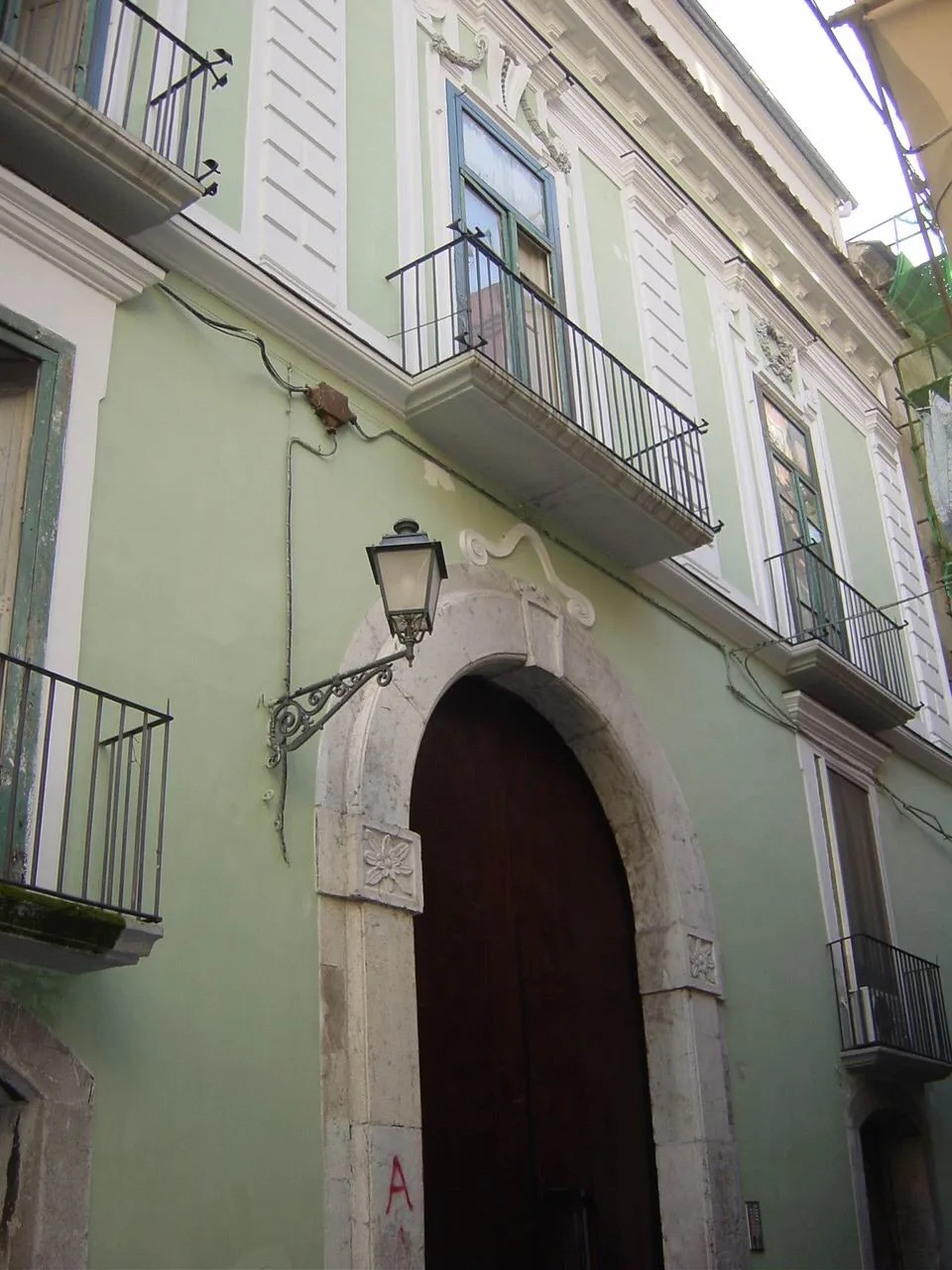
From here you reach thePalazzo San Massimo. This building was founded by Guaiferius in the 9th century as a residence of the Lombard princes, less than a century away fromComplex of San Pietro in Corteand there was the church dedicated to St. Maximus confessor. Below the 18th century renovation there was little left of the initial structures: through a stone portal you can access a large atrium and a monumental staircase leads to the upper floors, where there are large halls with ceilings and walls decorated with frescoes of the seventeenth century.
Walking via Tasso you can also admirePalazzo Conforti and Palazzo Ruggi D’Aragona, further examples of the residential development of the area.
Resaling the rib of the “Plaium Montis“you arrive on one side in Fusandola, where an old wall of the city was going down parallel to the torrent of the same name, and on the other side in Via de Renzi, where, through the ancient gate of San Nicola, you climbed the Canalone valley, reaching the locality Croce, then descend into the territory of Cava de’ Tirreni.
In this area there are many examples of religious buildings. Here for several centuries, there was the great garden of the many Monasteries in the area. In this area, not by chance, there is also theGarden of the Minerva, the botanical garden linked to the Salernitana Medical School.


 L'evento inizierà tra 72 giorniArtist’s lights – 2026-2027 free 14 Nov 2026 – 1 Feb 2027