• Home
  • Salerno
    • History of Salerno
    • Historical Figures
    • Traditions
    • Food and Wine
    • Mobility in Salerno
    • Places Nearby
    • Useful Links
  • Events
    • Find an Event
    • Artist Lights
    • Must-see events 2026
  • Explore places
    • Itineraries
    • Verdi Theater
      • Theater Home
      • The season 2026
    • Cultural Venues and Theatres
    • Churches and Monasteries
    • Palaces and Squares
    • Museums and Archaeology
    • Gardens and Parks
    • Modern Architecture
  • News
  • English
    • English
    • Italiano
    • Français
Salerno Cultura -
  • Home
  • Salerno
    • History of Salerno
    • Historical Figures
    • Traditions
    • Food and Wine
    • Mobility in Salerno
    • Places Nearby
    • Useful Links
  • Events
    • Find an Event
    • Artist Lights
    • Must-see events 2026
  • Explore places
    • Itineraries
    • Verdi Theater
      • Theater Home
      • The season 2026
    • Cultural Venues and Theatres
    • Churches and Monasteries
    • Palaces and Squares
    • Museums and Archaeology
    • Gardens and Parks
    • Modern Architecture
  • News
  • English
    • English
    • Italiano
    • Français
Salerno Cultura -
  1. Home
  2. Storia di Salerno
  3. Steps
  4. The History of the Salernitana Medical School

The History of the Salernitana Medical School


The History of Salernitana Medical School embraces almost a millennium, with the legendary foundation that took place at the Lombard time until the beginning of the 10th century with its definitive closure.


The Salernitana Medical School is considered the oldest institution in Western Europe for teaching not only of

medicine, but also of other disciplines.


Very important is the link between the city and its School. The geographical position of Salerno in the heart of the Mediterranean places the city at the center of important marine exchanges with the East and Africa, mediated by Amalfi and Sicily. From the variety of cultures confluent in Salerno in the early Middle Ages the medical tradition inspired by the Greek Hippocrates is developed.


The city, inserted in the Lombard kingdom and connected strictly to the Roman Curia, keeps alive in southern Italy the Greek-Latin tradition, so as to be called “Urbs graeca” or “Hippocratica civitas”.


Salerno in the Middle Ages is known as a place of well-being: you come from other cities to regain health, trusting in the wisdom of its famous doctors. The elements of charm are already in the birth of the medical school of Salerno, wrapped in mystery and dispute between history and legend.


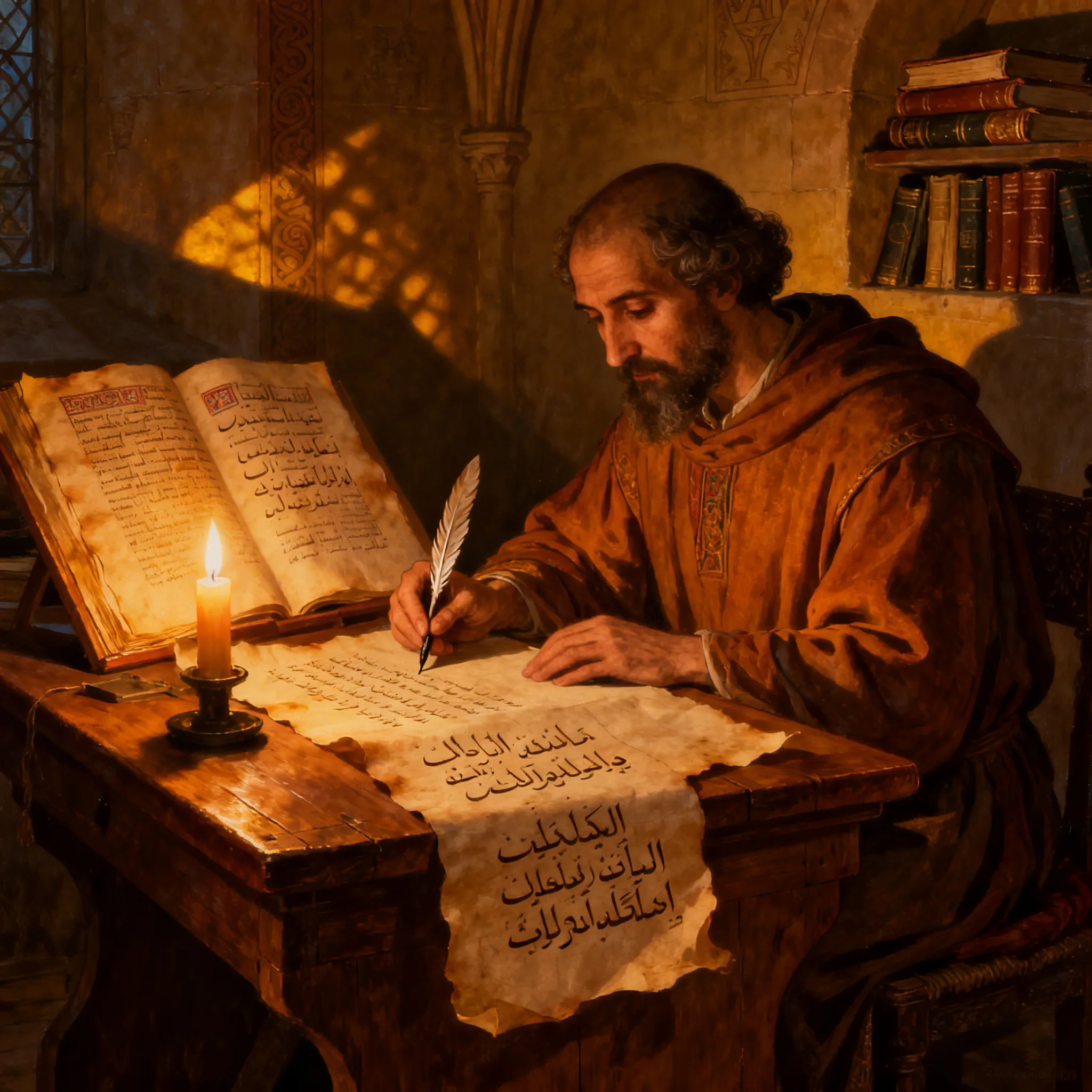
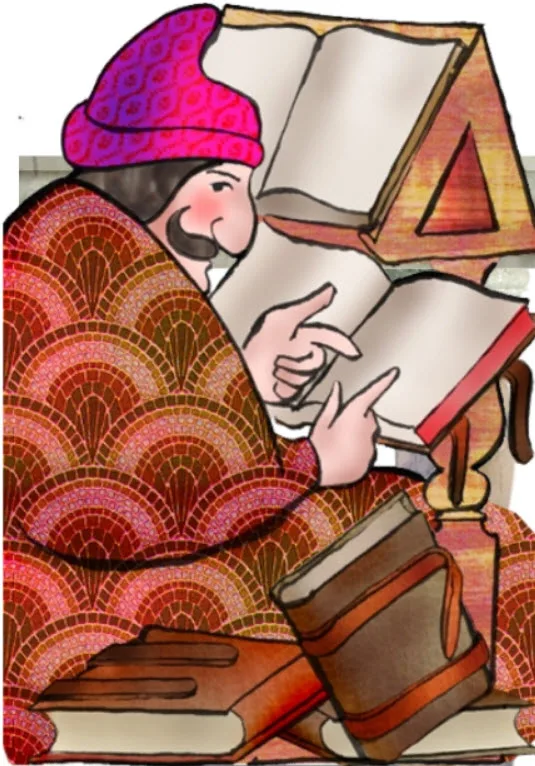
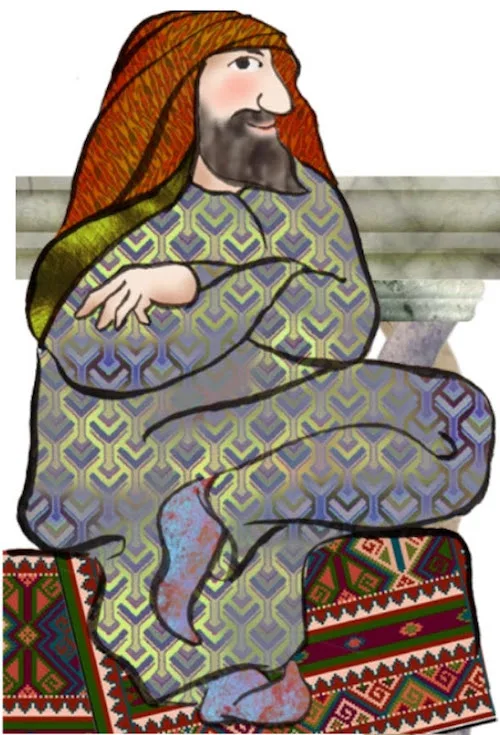
There’s a lot of hypotheses. The school was founded by four teachers of different nationalities: the Hebrew Elino, the Greek Pontus, the Arabic Adela and the Latin Salernus. This legend, reported by Antonio Mazza, a 17th-century prior of the medical college, is now set aside, but emphasizes well the international and perhaps secular character of the school, in a period, the medieval one, in which all the teaching was hung of the clergy.


The school was born around the 6th century AD, on the basis of a medical school operating in Velia, since the 5th century BC. Velia (now Ascea in the heart of Cilento) was a flourishing shopping and cultural center, founded by the Focei on the left bank of the river Alento, later known as Elea and as the seat of the famous Eleatic school of the philosopher and physician Parmenide. Some statues of doctors found in Velia in the 1960s would confirm the continuity between the school of Velia and Salerno.


The school has Roman origins, as indicated in a document found by the 19th century scholar Salvatore De Renzi. In this kind of treaty between Salerno and Count Ruggero, who took possession of the city after the death of Duke William (1127), in art.X it is established that the College of Doctors, founded by the Roman emperors, continues to confer medical degrees without interference from the Curia or the Regi officials.


The school has never been founded, but has slowly formed, increasing the medical knowledge inherited over the centuries. The first documents, in which evident traces of the medical knowledge of Salerno, diffused and integrated with other Italian and foreign medical teachings, date back to the 9th century.


The history of the Salernitan Medical School can be divided into three periods:

– from the beginning to the year about 1000

this period ends with the arrival of the Carthaginian monk Constantine the African, who introduces to Salerno his Latin translations of Arabic and Greek works;


– from the 11th to the 13th century.

begins with the Norman conquest and is the golden period of the school; in 1280 the school receives from Charles I the first statute of “Studium General” in medicine;


– from the first half of the XIII to the beginning of the XIX century.

the school continues its activity with less luck and other events until 1811. In this year, with the reorganization of public education of the Kingdom, Gioacchino Murat exclusively attributes to the University of Naples the faculty to confer degrees.
    Comune di Salerno
    Via Roma – Palazzo di Città, 84121 Salerno
    C.F. 80000330656 P.IVA 00263650657

    Email:
    cultura@comune.salerno.it

    Reporting service disruptions on the portal:
    utd@pec.comune.salerno.it

    Explore Places

    • Itineraries
    • Cultural Venues and TheatresCultural venues and theatres in Salerno enliven the city’s artistic life with a dense network of historic halls and contemporary spaces dedicated to theatre, cinema, music and performing arts. From the Municipal Theatre Giuseppe Verdi and the Cinema Teatro Augusteo to the Teatro Ghirelli, Sala Pasolini and neighbourhood theatres such as Teatro delle Arti, Piccolo Teatro del Giullare and Teatro Nuovo, these spaces host seasons, festivals, workshops and projects that make culture accessible to residents and visitors all year round.
    • Churches and MonasteriesThe churches and monasteries of Salerno preserve the spiritual and historical heart of the city, especially in the old town centre, where monumental buildings and more intimate spaces tell centuries of faith and art. From the Cathedral of San Matteo to the monastic complexes of San Benedetto, Santa Sofia and San Giorgio, a journey through these sites crosses different eras — from medieval and baroque architecture to spaces now repurposed for culture — keeping alive the connection with the religious roots of the territory.
    • Palaces and SquaresPalaces and squares in Salerno form a vibrant urban fabric, where noble residences, historical archives and monumental spaces recount the city’s civil and social evolution from the Middle Ages to the twentieth century. From Piazza Portanova and Largo Campo to Piazza Abate Conforti, from Palazzo Fruscione to the City Hall and the many historic buildings along Via dei Mercanti and in the Duomo district, every corner offers evocative architectural settings that combine history, everyday life and the symbolic places of the Salerno community.
    • Museums and ArchaeologyMuseums and archaeology in Salerno recount the thousand-year history of the territory through artefacts spanning from prehistory to the Roman era, housed in a network of institutions spread across the city. From the Provincial Archaeological Museum, hosted in the former monastery of San Benedetto and dominated by the famous bronze head of Apollo, to civic and diocesan museums and the routes dedicated to the Etruscan-Samnite sites of Fratte, each exhibition offers an immersive journey through everyday objects, funerary goods, sculptures and the evidence of ancient civilisations in the Salerno area.
    • Gardens and ParksGardens and parks in Salerno offer a widespread network of green areas stretching across the entire city — from historic gardens to large urban parks — creating spaces for relaxation and socialising just steps from the sea. From the Parco del Mercatello to the Parco del Seminario, from the Parco dell’Irno to the gardens of the eastern district and the Giardino della Minerva, these places combine nature, outdoor sports and cultural events, enhancing the urban landscape and making the city more liveable in every season.
    • Modern ArchitectureModern architecture in Salerno reshapes the relationship between the city and the sea with iconic buildings and open public spaces, transforming the waterfront into a new contemporary urban hub. From the Crescent and Piazza della Libertà to Zaha Hadid’s maritime station, the Santa Teresa seafront and the Cittadella Giudiziaria, a dynamic architectural landscape emerges — one of fluid lines, essential volumes and sea-facing squares designed for the social and cultural life of the city.

    Events

    • Concerts
    • Dance
    • Exhibitions
    • Fairs
    • Festivals & Series
    • Music
    • Opera
    • Festivals & Series
    • Theatre

    Salerno

    • Historical Figures
    • Food and Wine
    • Mobility in Salerno
    • Places Nearby
    • Useful Links

    © 2026 Comune di Salerno – All rights reserved

    • Credits
    • Privacy Policy
    • Cookie Policy