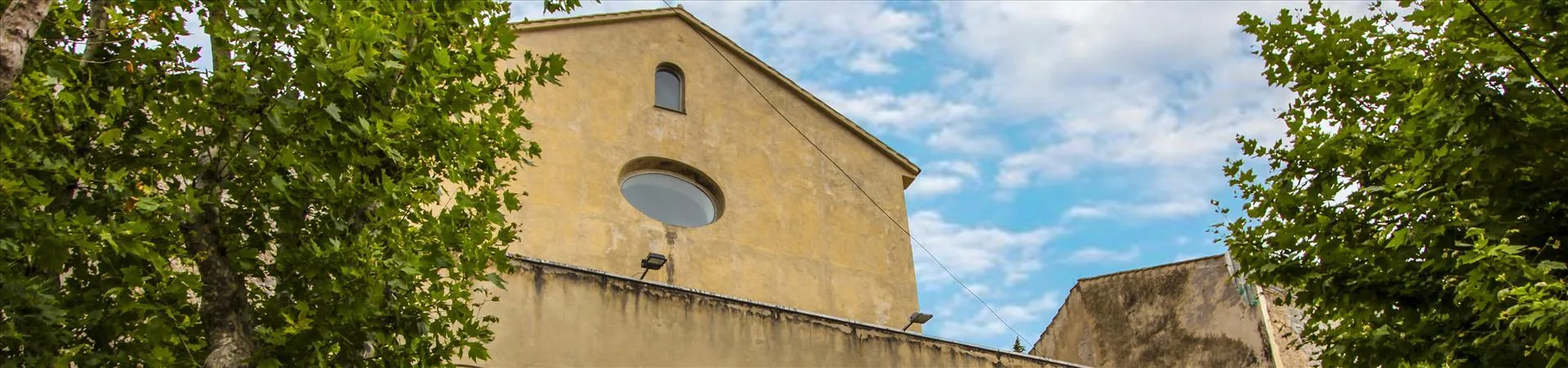
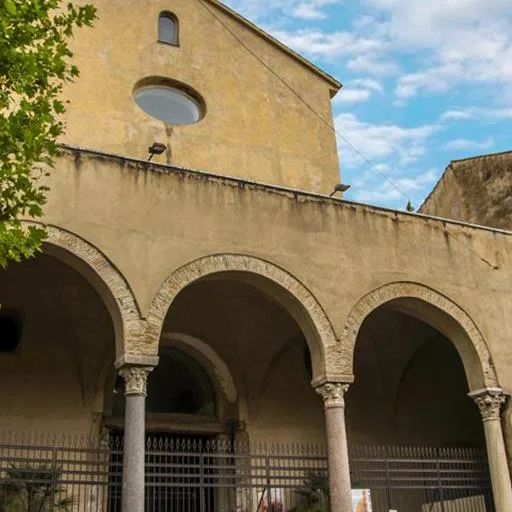
The ancientMonastery of San Benedettois located on the small plateau calledMagno. Founded in the 7th- 11th century, his church was probably enlarged by the will of Alfano, abbot of San Benedetto, on the occasion of his election as Archbishop of Salerno in 1057.
The atrium of the monastery andCastel Terracenaare founded on the Longobard fortifications of Arechi II of the second half of the eighth century.
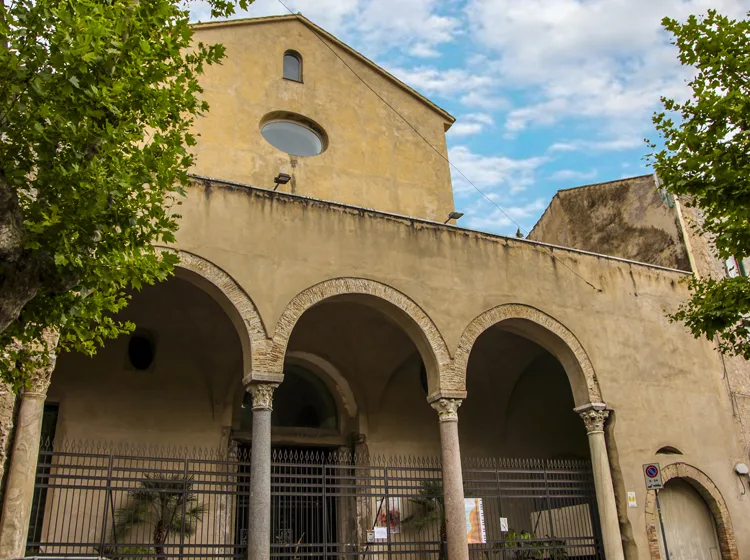
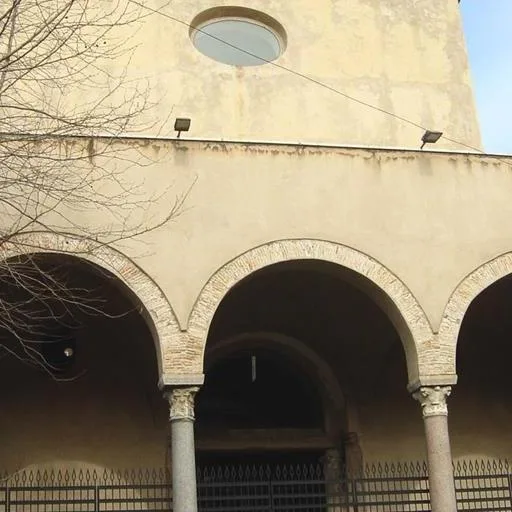
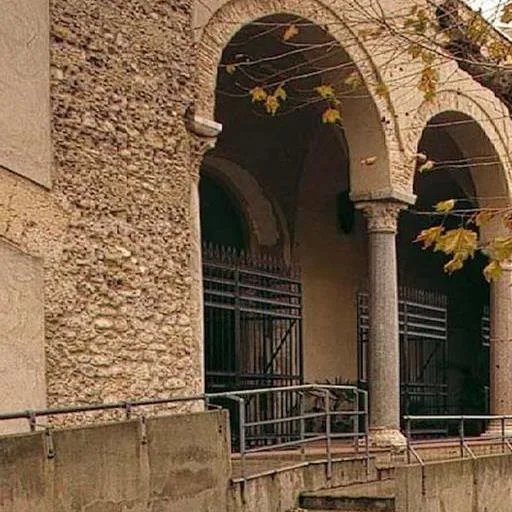
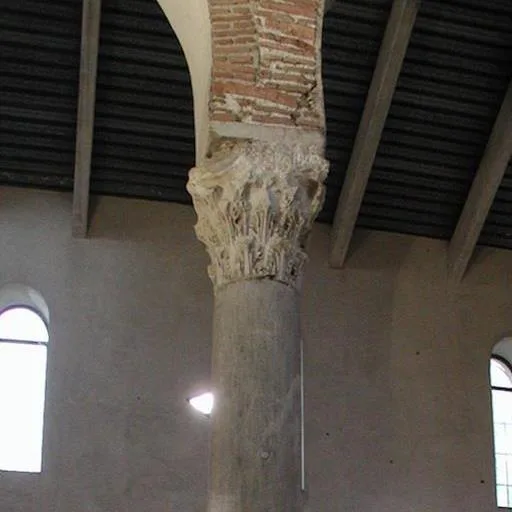
The church is accessed through the 11th century wing of aquadriportico, now visible only in part. There are three arches, resting on four columns with choir capitals.
TheProvincial Museum, part of the monastery, becomes the seat of the Real “Castelnuovo” of Queen Margherita of Durazzo, in the first ‘400. Great transformations determine the cesura of quadriportico. In 1807 the monastery was suppressed and used as a barracks. In 1810 the church became the San Gioacchino theatre and, from 1815 to 1845, “Real Teatro di San Matteo”. For the construction of a new road is halved thebell tower(of which the base and the cell remains on the first floor). In 1816 the current Via San Benedetto was created.
The monastery is in the form of St. In the longer wing there were themonks cellsand here is the true facade of the complex. Two side arms draw an L in which we find theCloister, characterized by porticos with arches resting on columns and, on the upper floor, by a loggia (fine XV, beginning XVI century).
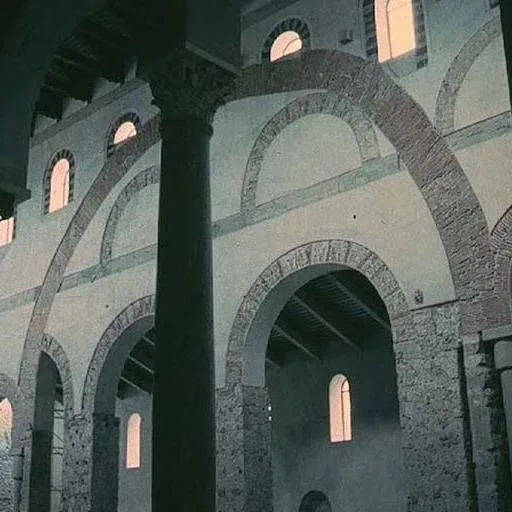
The church, which we see today, dates back to the 10th century, and is the result of the restoration carried out in the 1980s. The basilica is three aisles divided by columns of the Roman period and pillars connected by arches to the whole sixth. Thecentral naveends in a large semicircular apse. The predominant style is the Romanesque, but at the center of the church there are three larger arches resting on pillars, of the Baroque period, and above, there is a large arch in Roman bricks, not dated, which manifests the desire to expand the church to transform it into a Latin cross plan. At the north end of the west aisle there is oneBaroque chapel, of the 18th century, covered in dome and culminating in a lantern.


 Places of the Salernitana Medical School Artistic Historic