


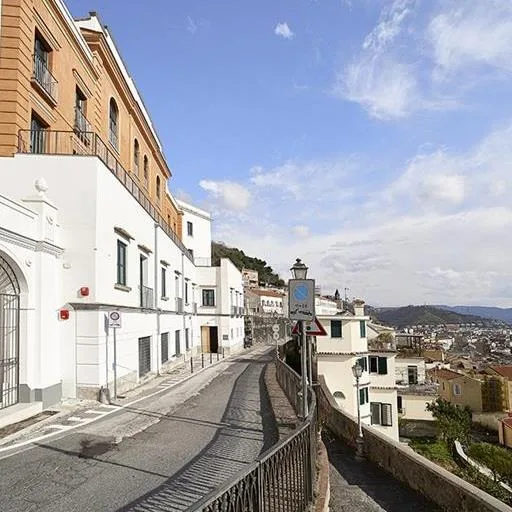
The Convent of San Nicola della Palma is one of the oldest monasteries in the city of Salerno, overlooking the sea.

Convent of San Nicola della Palma
- Description
- Event
- News
- Gallery
- Contacts
- Map
- Opening hours
- Itineraries
Historical dinners
The convent dedicated to San Nicola della Palma was founded in the second half ofXI centuryin an area that was defined in medieval timesPlaium montis,at the foot of theMonte Bonadies,where theArechi castle.
The church, then flanked by the monastic complex, was built around 1061 by the will of Leone I, Benedictine abbot of the SS. Trinità di Cava dei Tirreni, and the noble Salento Lucio Vivo Giovanni.
His birth is therefore an expression of the interests of the Lombard aristocracy and one of the main abbeys of southern Italy, who choose to realize the convent in a area renowned for its fertility and for the presence of numerous water courses.
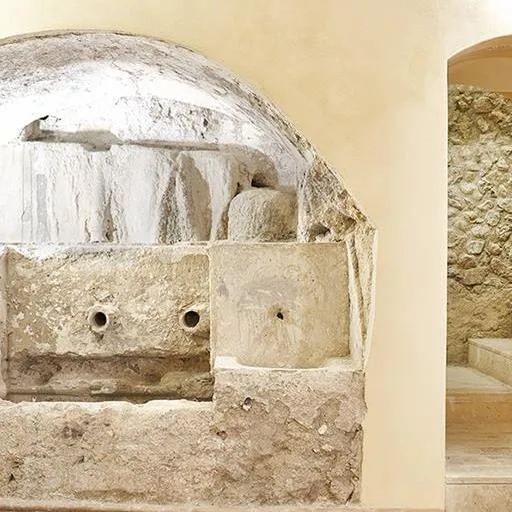
The abundance of water resources has played a key role in the history of St. Nicholas. The presence of a spring near the monastery, remembered in documents as“fonte della Palma”(aqua que que ditur de Palma),is associated with the realization of a♪, a spa facility discovered during the recent restoration of the complex. The presence of the thermal bath emphasizes the importance for the city of Salerno of the ancient Benedictine monastery, probably one of the few to offer this healing and spiritual opportunity in medieval times.
The therapeutic use of water also suggests a possible connection of the monastery of St. Nicholas with theMedical school in Salerno, confirmed by the presence of the neighborGarden of the Minerva, built by the doctor Matteo Silvatico in the 12th century, where medicinal herbs have been cultivated for centuries.
The Benedictine phase of the monastery ends in the early years15th century, when the convent is occupied by the Franciscan friars but without losing its important welfare function, which saw it receive religious from the entire province.
The important role of St. Nicholas in the city landscape is witnessed by historical documents that attest the rich artistic heritage and sacred furnishings present in the church and in the convent at the end of the eighteenth century. During the nineteenth century the convent is transformed into a male orphanage. The building is severely damaged by the flood of 1954 and the earthquake of 1980, then becoming property ofMunicipality of Salerno, which has recovered and redeveloped the entire structure in 2013.
The convent today
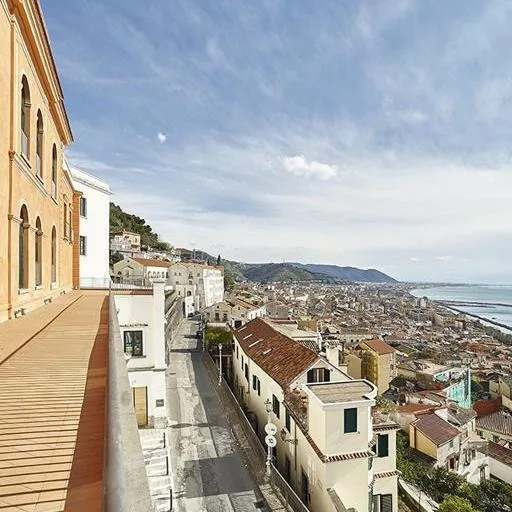
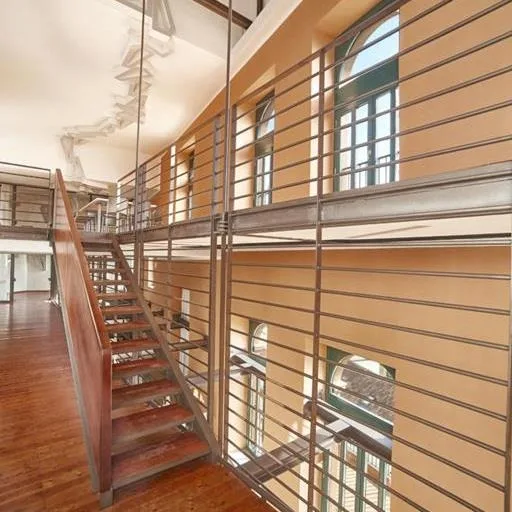
The convent of San Nicola rises on four floors along the side of the hill, in a dominant and panoramic position on the Gulf of Salerno.
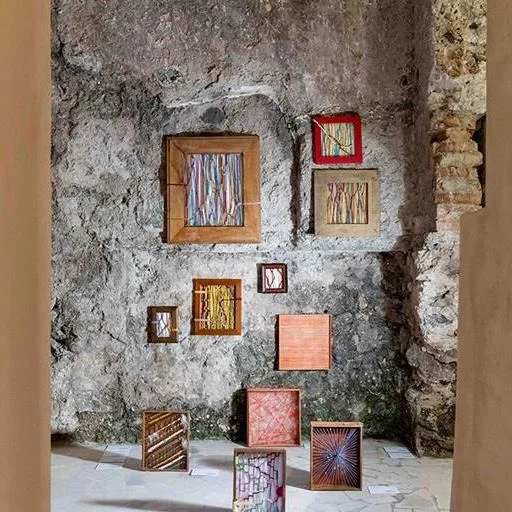
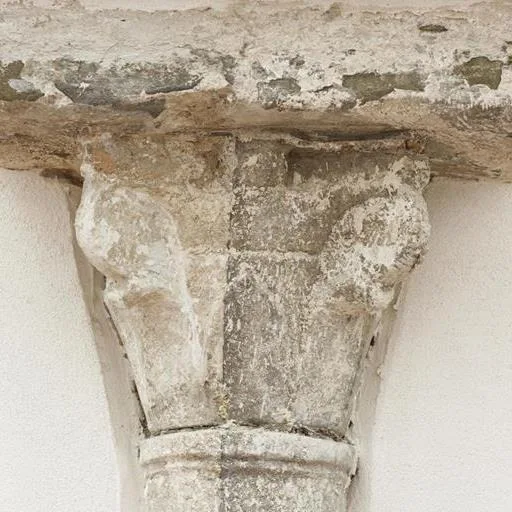
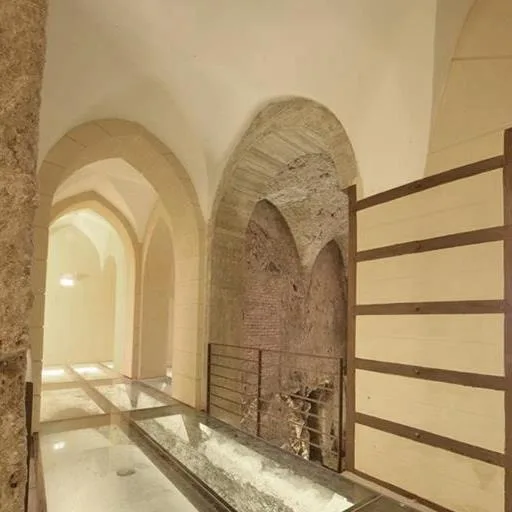
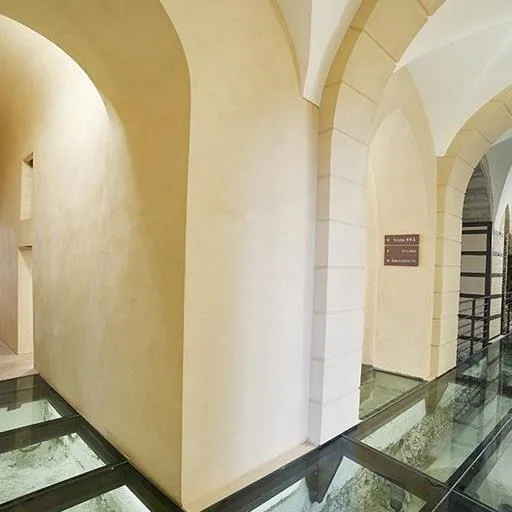
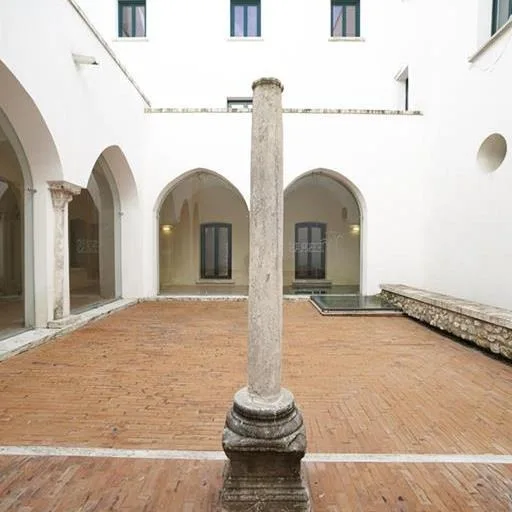
Despite the transformations over the centuries, a wise work of architectural restoration has managed to maintain the suggestion of the original convent building. The ancient structure remains traces in the courtyard on the first floor, bounded by porticos with vaults to cruise whose pillars incorporate the original columns with short style capitals.
The♪, discovered in the central area of the building during restoration works, is a monument of invaluable importance because it represents one of the fewest and oldest testimonies of such structures in the medieval Mezzogiorno.
The thermal area, still visible, consists of three rooms arranged in sequence with two tanks and a sauna carved into the rock. The cold room(frigidarium)It is open to the north to direct contact with the rock, from which it continuously exudes cold water that is collected and channeled into a tub.
The monastery of San Nicola is united to the nearby one of
Loading…

Monday | visitable by reservation | |
Tuesday | visitable by reservation | |
Wednesday | visitable by reservation | |
Thursday | visitable by reservation | |
Friday | visitable by reservation | |
Saturday | visitable by reservation | |
Sunday | not accessible |
Cost: Free
The convent can be visited by reservation
Social Network
Facebook:facebook. com/ebrisfondazione
Instagram:instagram.com/foundation ebris
Nessun itinerario disponibile.