


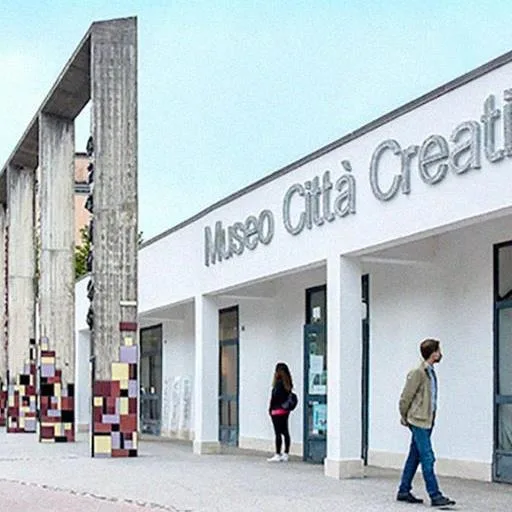
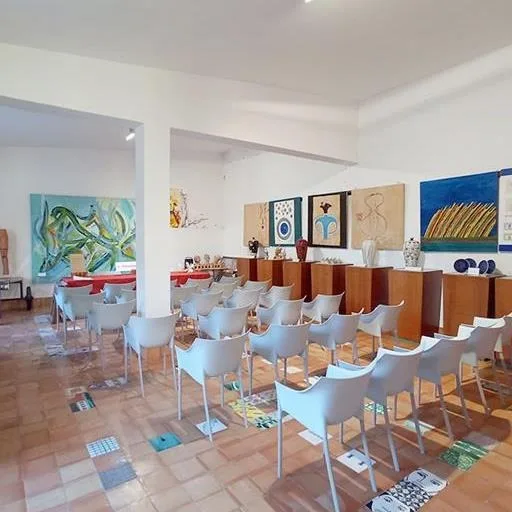
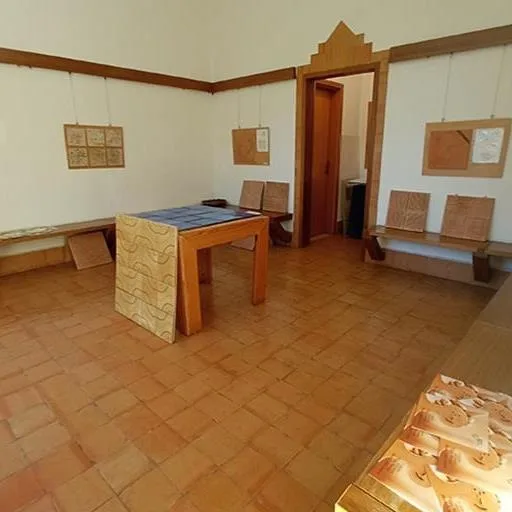
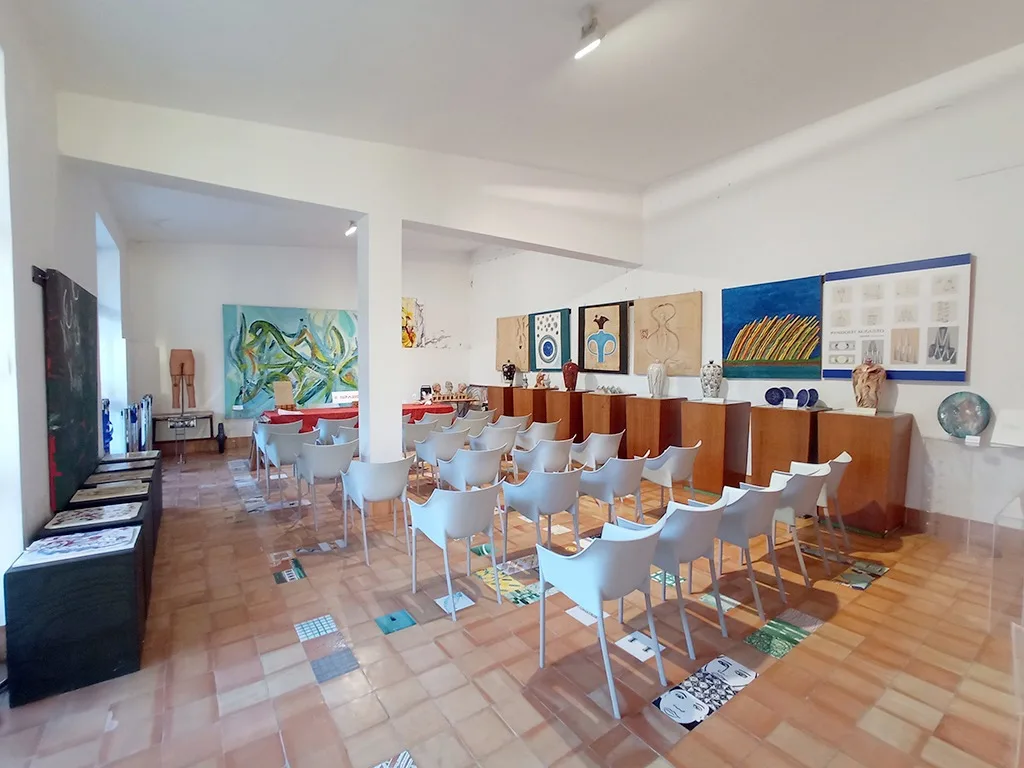
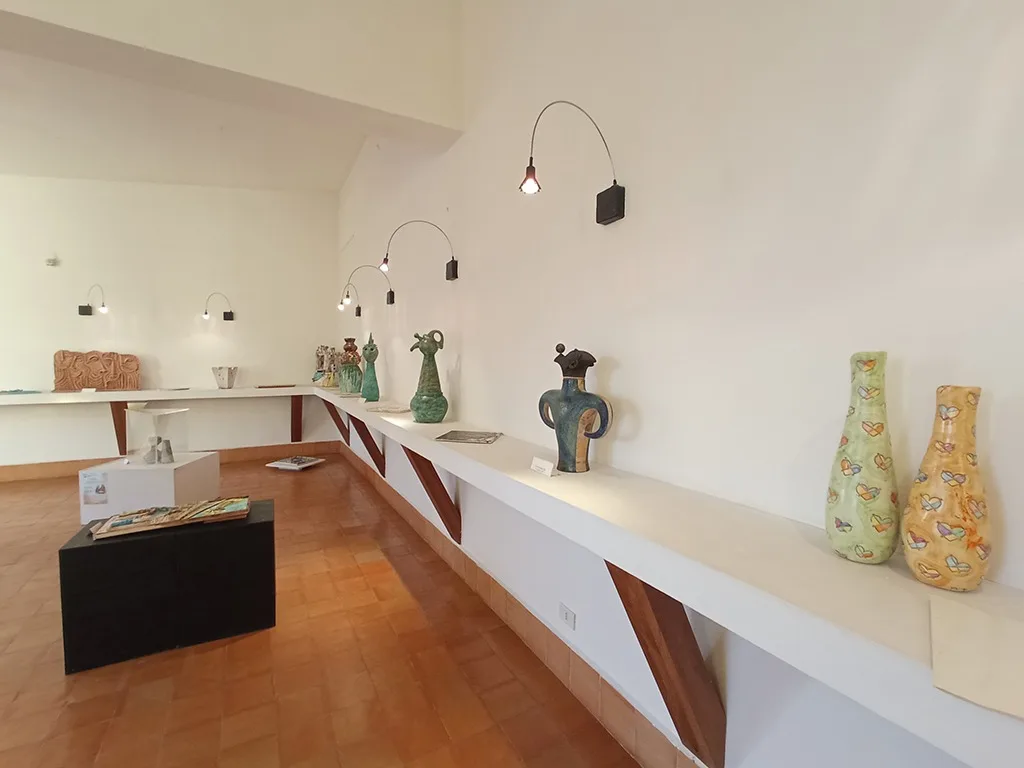
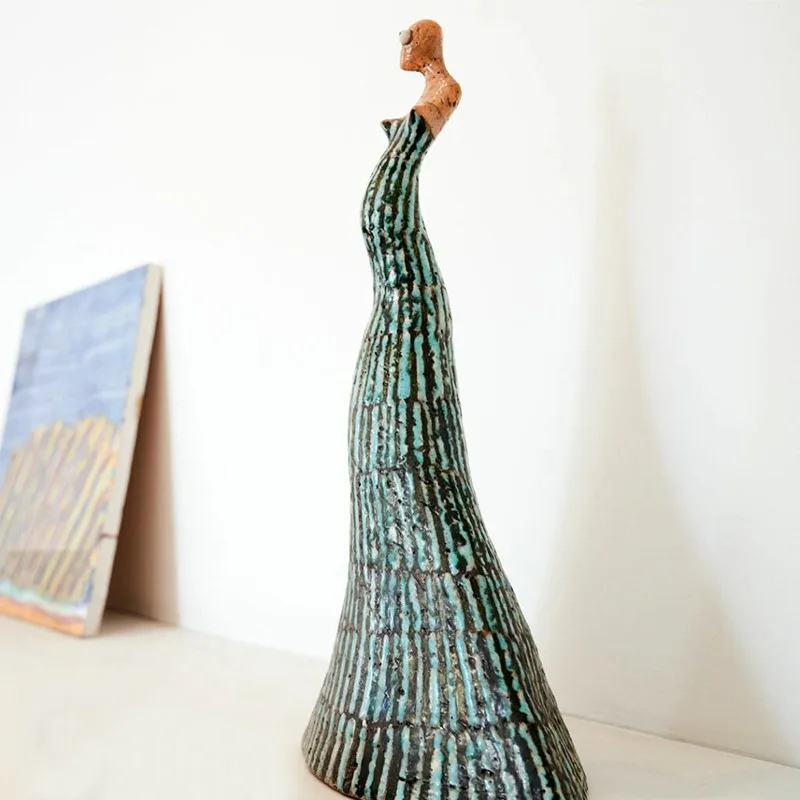
The Museo Città Creativa was founded to enhance the past and present of ceramic art and is a dynamic space in which exhibitions, events and creative workshops alternate.

Museum Creative City
- Description
- Event
- News
- Gallery
- Contacts
- Map
- Opening hours
- Itineraries
The museum
The museum was born in 1997 as“space-laboratory”and place of experimentation and documentation on contemporary ceramics.
It is located on the hillRufoli, in the fraction ofOglia, a short distance from the ancient furnaces of the De Martino Brothers, producers of local terracotta according to the ancient rituals of fire.
The Museo Città Creativa aims to restore vitality to the historical-artistic tradition of Rufoli, rediscovering the identity of a territory characterized by centuries of ceramic activity.
Since its birth, it has organized educational and educational activities, hosts new artists, promotes opportunities for meeting and debate on the local, national and international ceramic tradition.
The museum collaborates with associations, artists, institutions and enterprises, hosting contemporary ceramic art exhibitions, ceramic courses, artistic performances, decoration workshops and other applied arts, with particular attention to young generations.
The collection
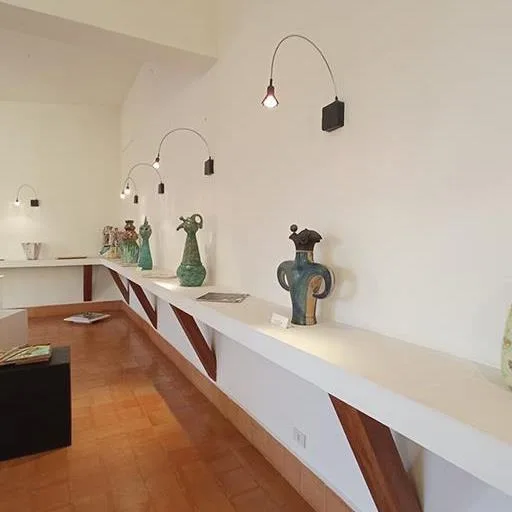
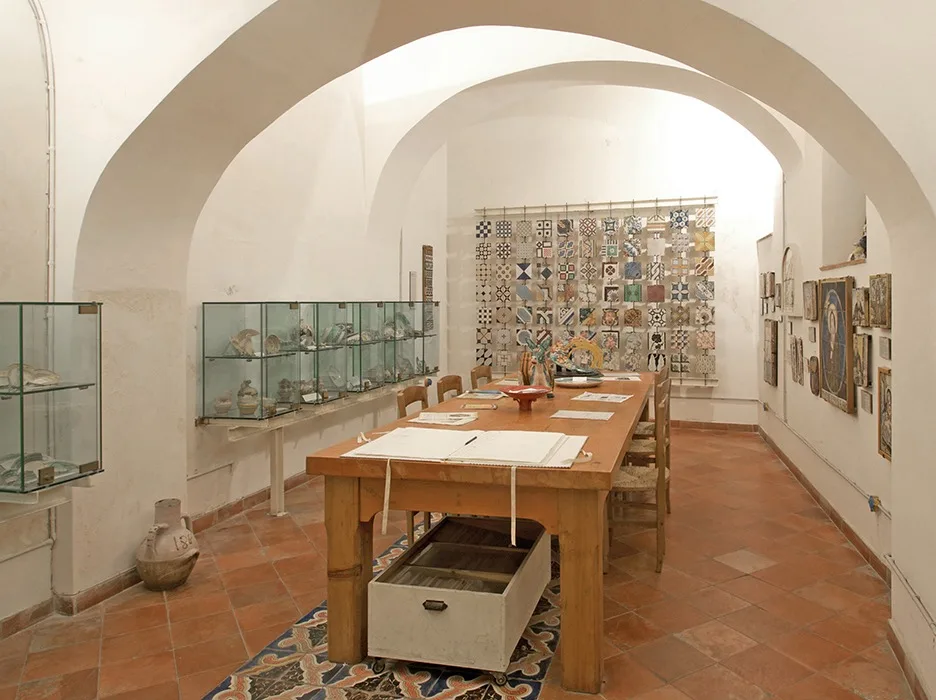
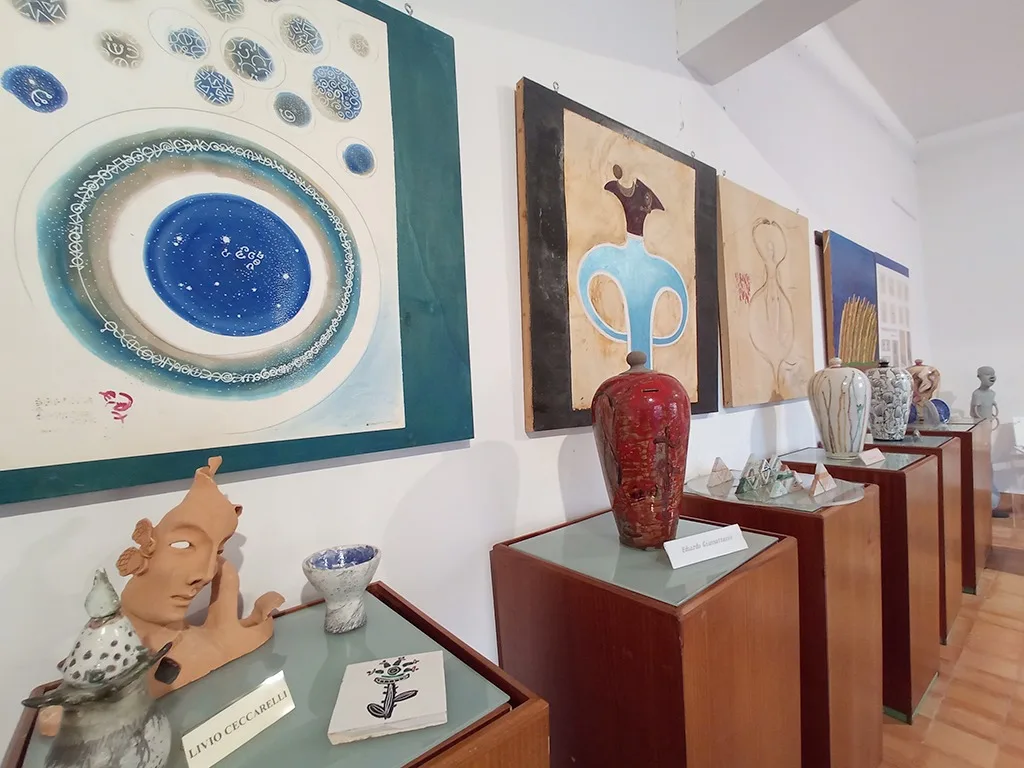
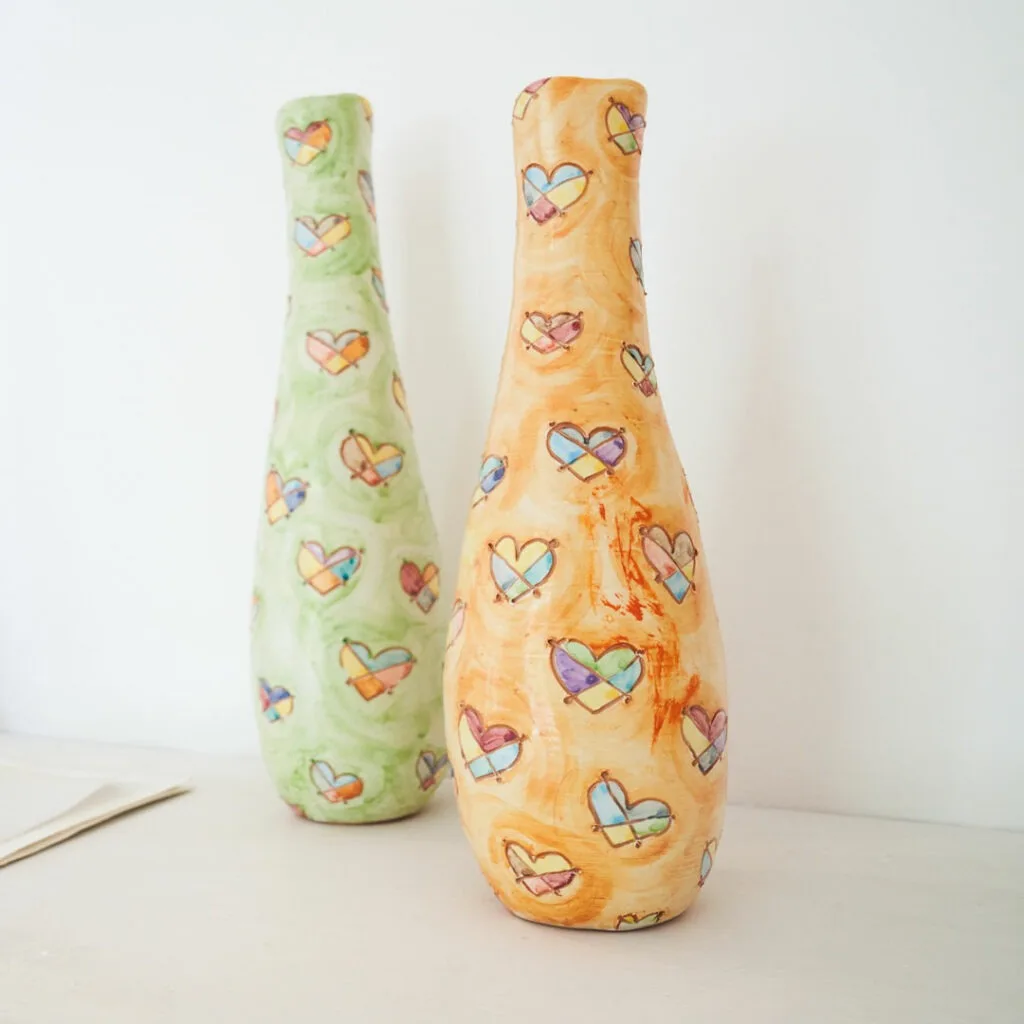
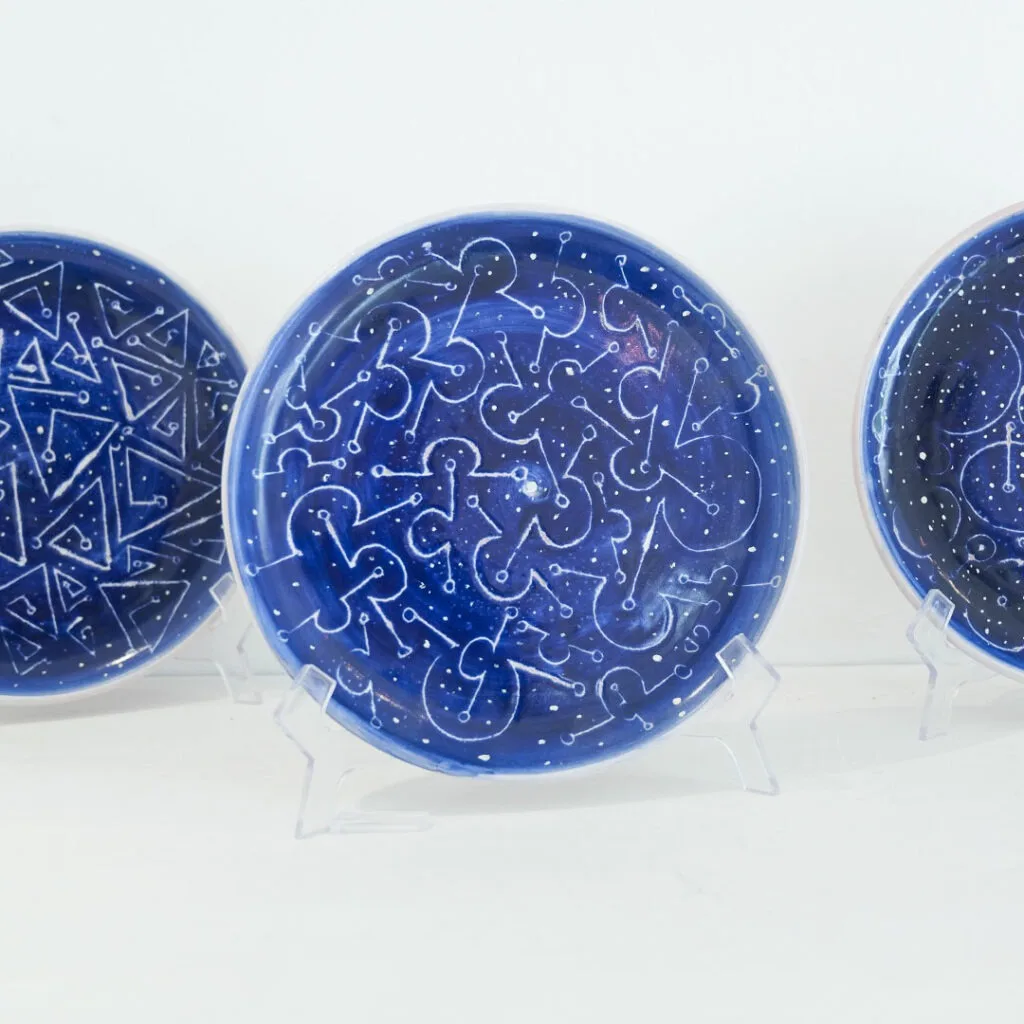
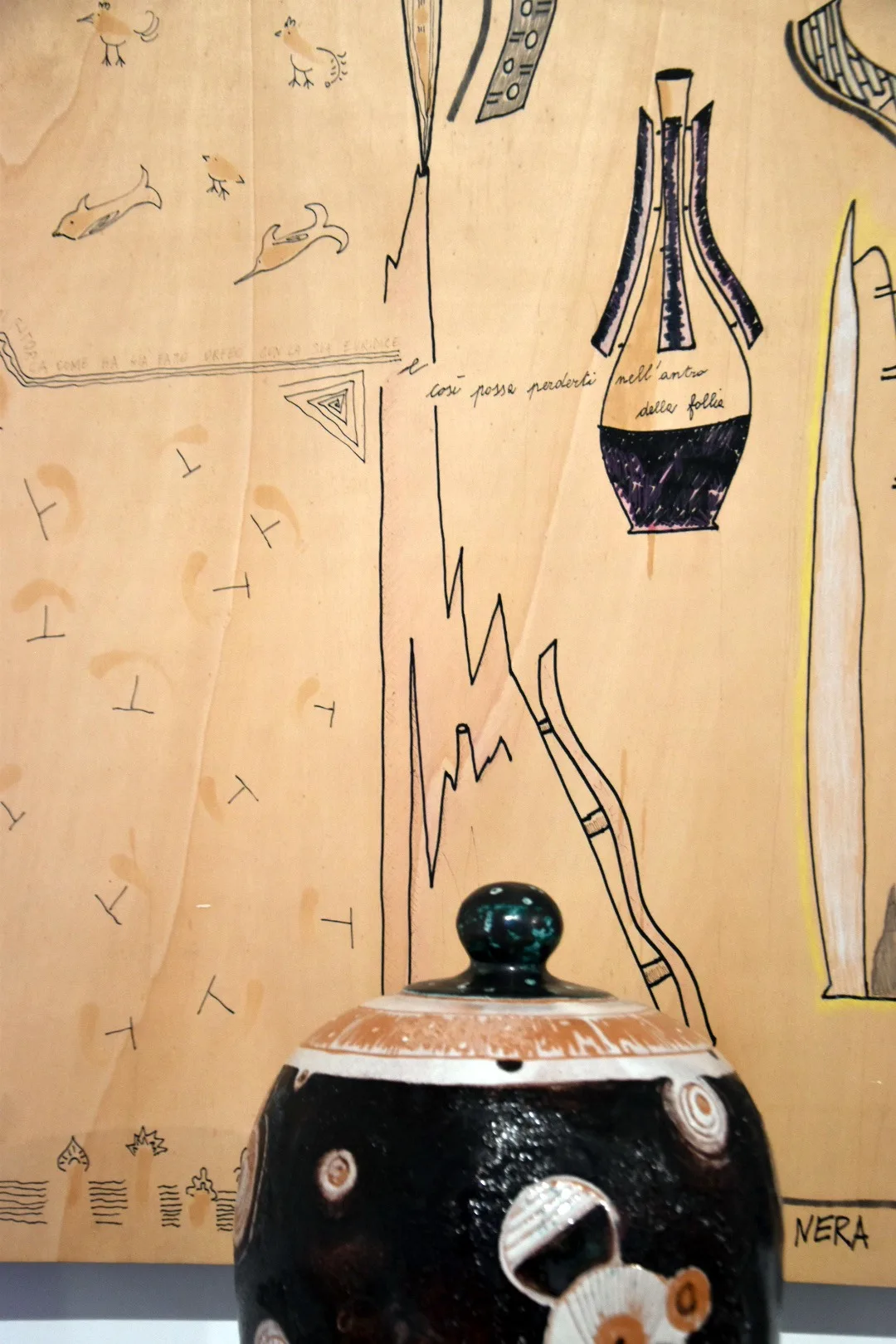
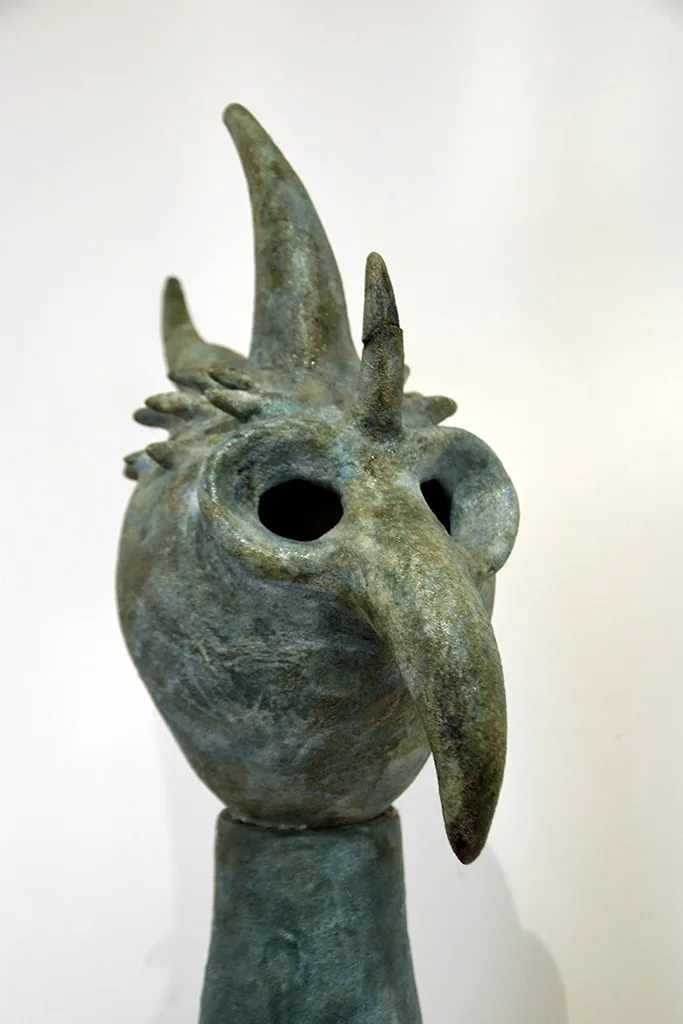
The collection of ceramic art gradually formed through the donations made by artists, ceramists, architects and associations active at the museum or who were protagonists of exhibitions and exhibitions over the years.
Among the artists who exhibited at the Museo Città Creativa are prominent figures of the national and international scene: Riccardo Dalisi,Lello Esposito, Lucio Liguori,Ugo Marano,Enrica RebeckandMarco Bacchilega(Bottega Ta), Monica Amendola, Ilaria Di Giacomo, the honduregneUbaldina and M. Magdalena Manzanares, the ArgentineansJosè BravoandAitor Romano,the Italian-FrenchBiagio Pancino,Sofia and Pierluigi De Mas,JasmineD’Ambrosio,Pietro Falivena,Augusto Pandolfi, Antonio Petti, Marco Vecchio, Pietro Lista, Giovanni Cavaliere, Ferdinando Vassallo.
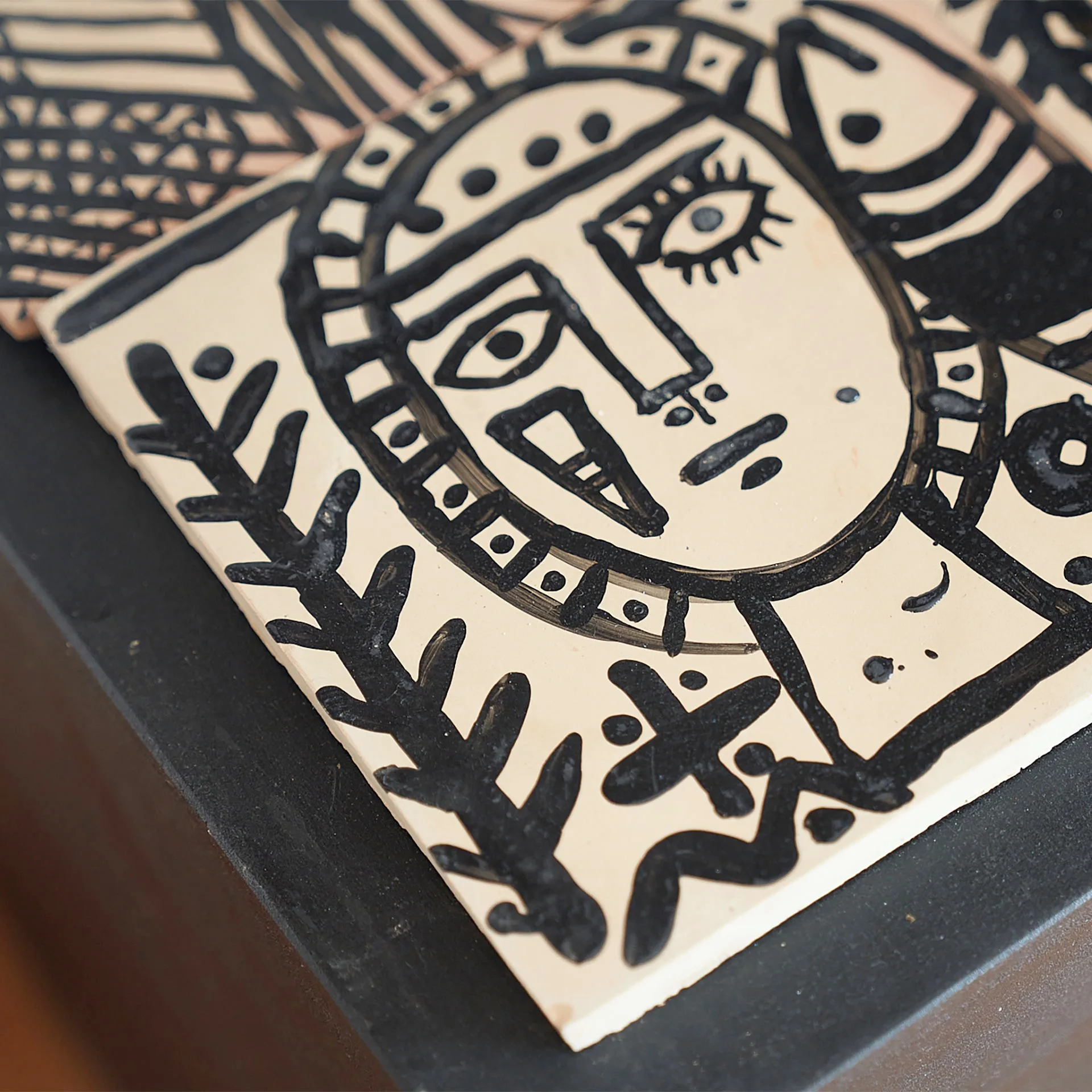
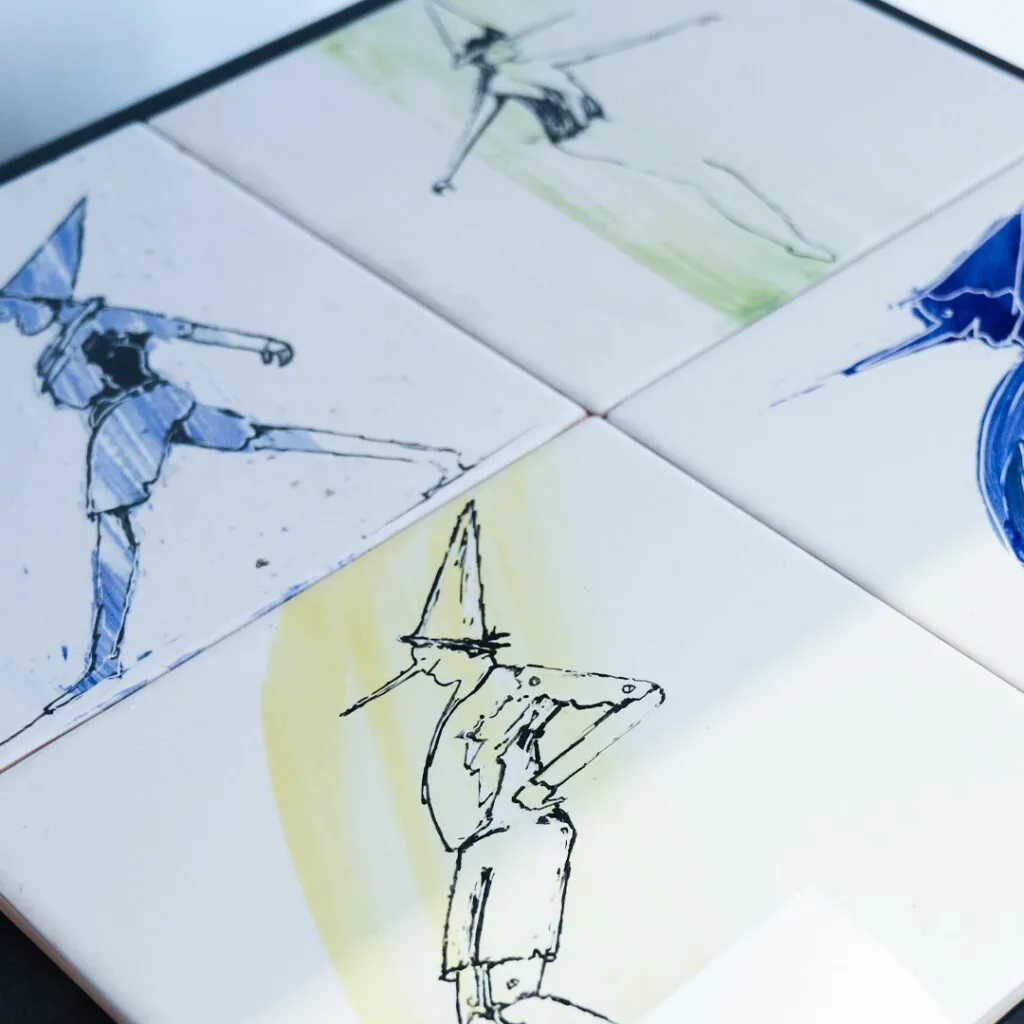
On the occasion of the 2003 festival editionCartoons on the Baythe museum invited filmakers and illustrators to decorate one or more terracotta tiles of Rufoli. The collection, composed of more than 100 tiles, is on permanent exhibition at the museum and is signed, among others, byBruno Bozzetto, Yusako Fusaki, Lino and Rosanna Banfi, Pierluigi Pagot(son of the creator of Calimero),Maurizio Nichetti, Fusako Yusaki,Gregoire Solotareff.
Curiosity / to know
– The ‘land-mother’ of the ceramic bell
Rufoli is the ancient land-mother from which the Vasai of Vietri and the whole Campania have obtained the raw material of their work. Since the times of the Etruscans, the area has been the seat of ceramic extraction and processing activities from which the ancient Vietnamese school originated, relaunched and renewed between the 1920s and the 1930s by the so-called “German group”, led by Richard Dolker.
In the late 1950s, new cheaper bricks replaced the old bricks in terracotta. Industrial products supported the construction and demographic boom of those years. And the artisan production underwent a first steering that gradually continued over the years.
– Workshops
The clay blocks are pressed and shaped. The shapes obtained are stacked and covered with bags, not to make them dry. The drawing takes place on a wooden groove. Clay cutouts (cutting) fall into the cartilage, in front of the groove, and will be partly used as spacers in the loading of the furnace. The long and delicate drying process begins. Subsequently they are exposed to the sun with a fish plug or palombella. You are finally ready to load the oven. It takes four days of work. Cooking takes 36 hours.
– The ancient Fornaci de Martino
Currently the De Martino Fornaci are the only survivors of the craft ways and rhythms for the production of ceramics. Those who visit can attend the evocative ceramic cycleto fascìne,now completely disappeared, which goes from the extraction in the quarry to the work of the chisel, that puts every brick one to one.
Loading…
Day | Morning | Afternoon |
|---|---|---|
Monday | 09:00 – 13:00 | – |
Tuesday | 09:00 – 13:00 | 16:00 – 18:00 |
Wednesday | 09:00 – 13:00 | – |
Thursday | 09:00 – 13:00 | 16:00 – 18:00 |
Friday | 09:00 – 13:00 | – |
Saturday | not accessible | not accessible |
Sunday | not accessible | not accessible |
Cost: Free
Nessun itinerario disponibile.