Historical dinners
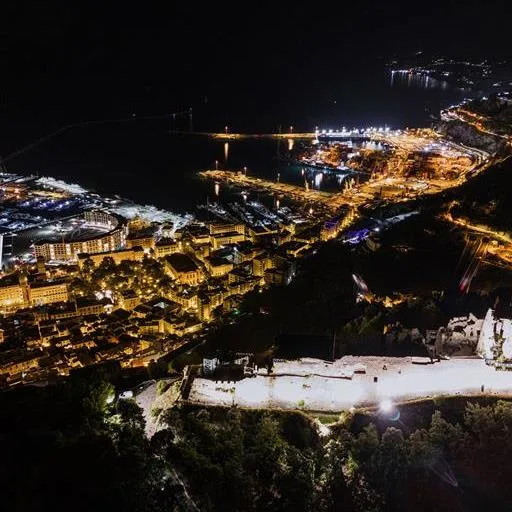
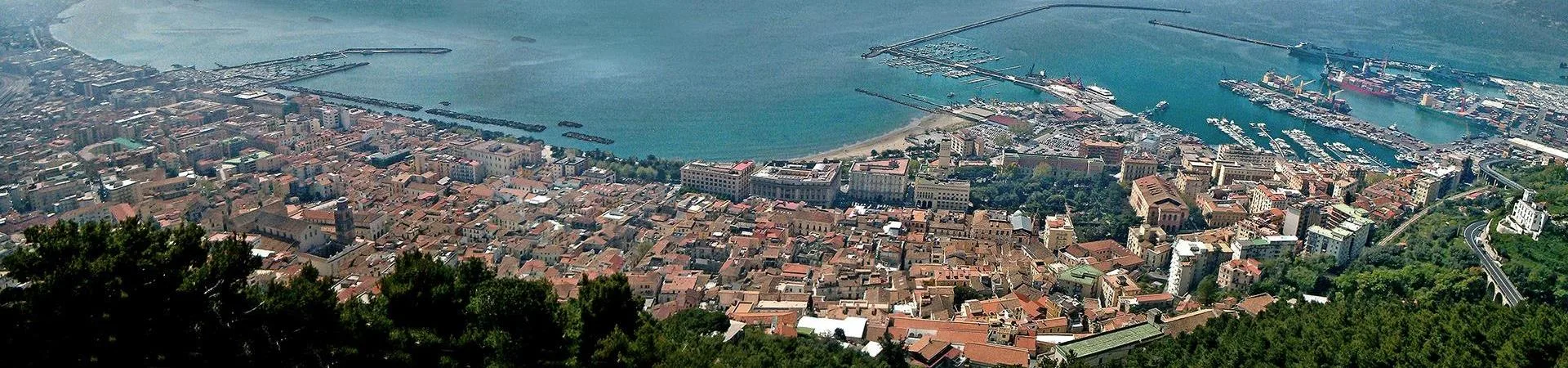
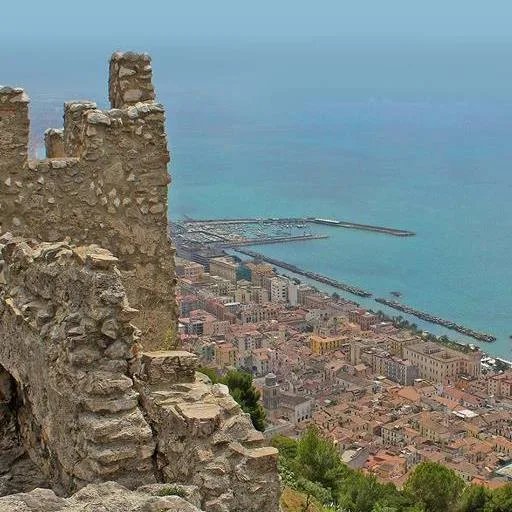
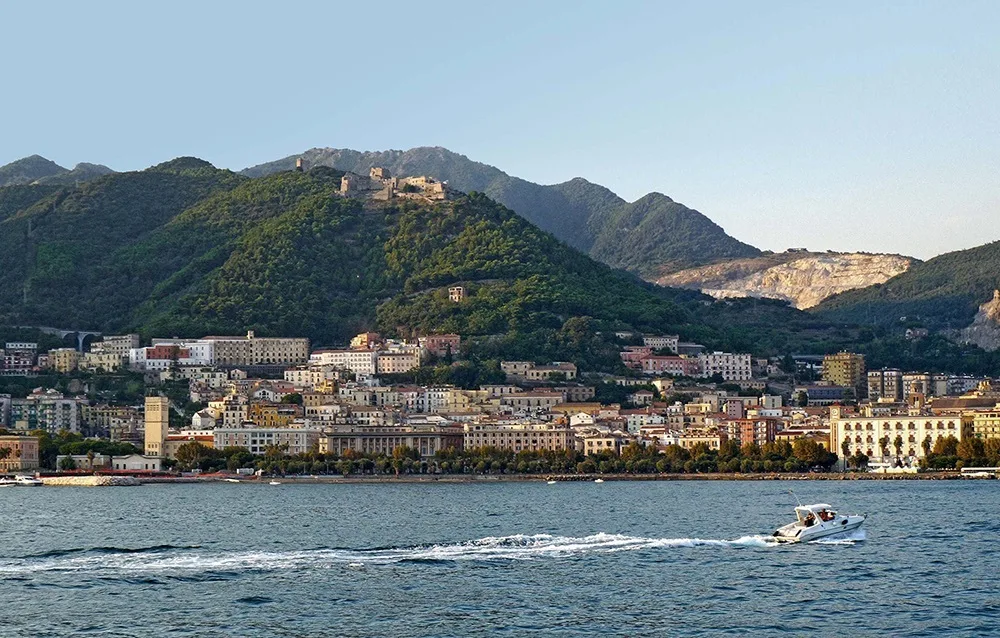
The castle called ‘of Arechi’ is located at a height of about 300 meters on the sink of the sea, on the Bonadies hill. It was built aroundVI centuryfrom the Byzantines, who probably expanded an ancient Roman castrum already existing.
In the eighth century the Lombard princeAreas II, from which the fortress takes its name, In the eighth century the Lombard prince Arechi second, from which the fortress takes its name, decided to transfer to Salerno his court and amplified its defensive system, starting from the castle a mighty wall that cingeva all the city from the hill to the sea. For centuries the ancient building has maintained its defensive function, undergoing new modifications in the Norman, Angioin and Aragonese era, during which it has reached its maximum development.
The structure met the last transformations in the sixteenth century, before the defensive needs fell. the castle was used as a temporary residence by the Sanseverino princes, feudal lords of Salerno, and with time, lost its importance until it was almost completely abandoned with the Unity of Italy.
In1960theProvince of Salernobought the castle from the last owners, starting long and complex works
restoration and allowing the development of new excavation activities. Since the 80s of the last century, the entire complex began to be returned to the public, until the complete reopening in the 2000s.
The Castle today
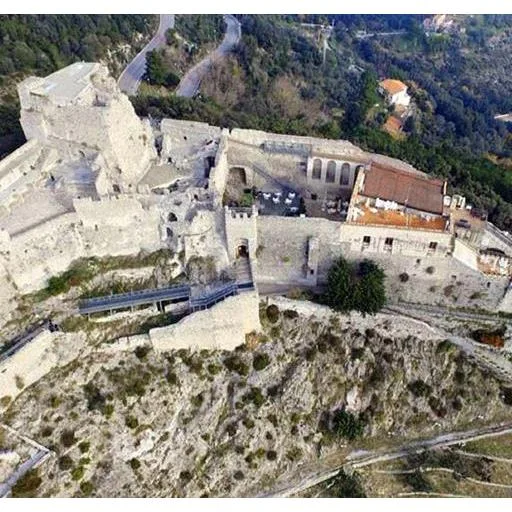
The current configuration dates back to the 16th century, when the last functional changes were made, before the defensive needs changed and the castle gradually lost its importance.
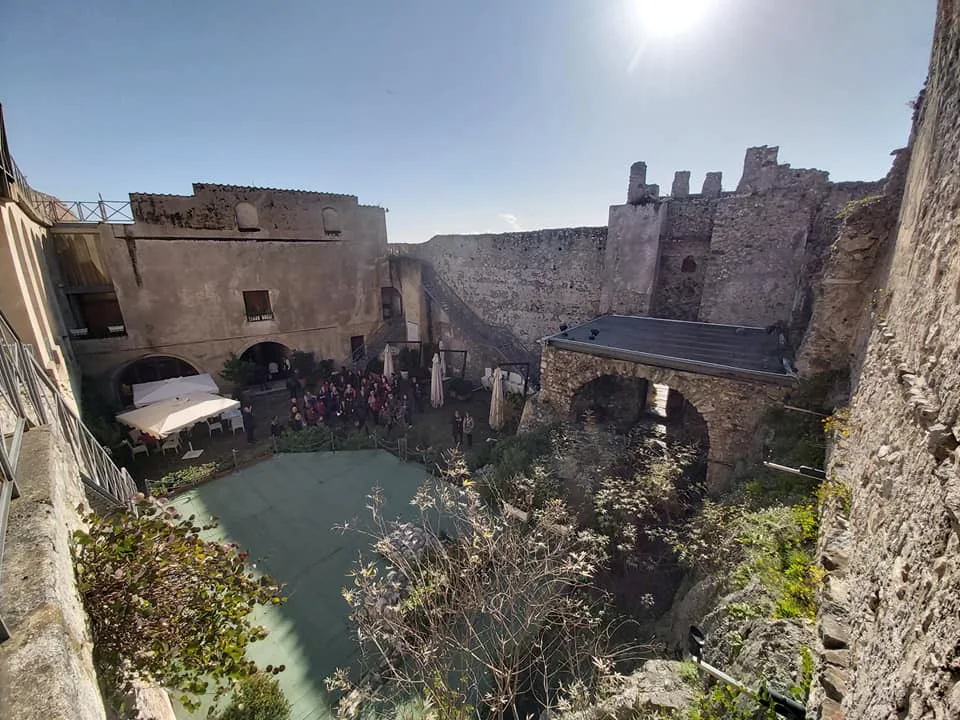
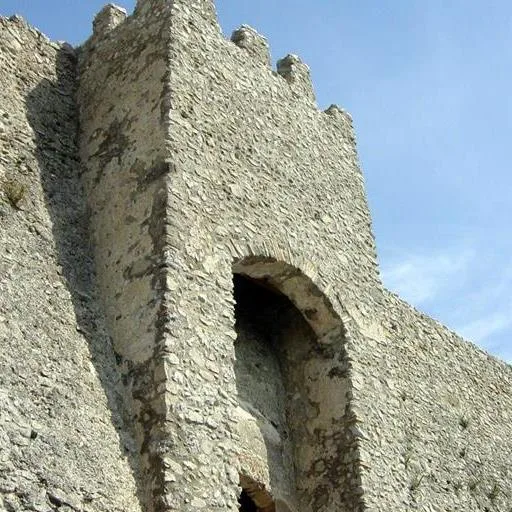
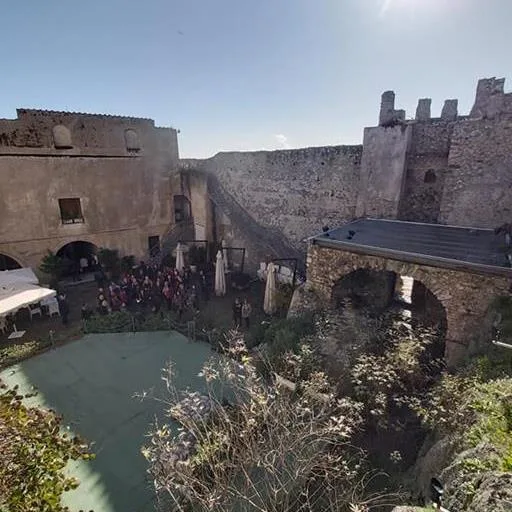
Today the fortress preserves the architectural traces of the different periods of which it was protagonist. Made oflocal dark stone blocks, has a central structure and a series of fences or compartments, which allowed to increase the possibility of defending the complex. The defensive system of the castle was also part of theTowers, a massive square building, overlooking the sea to the east of the city. A little higher, on a rocky spur above the castle, there is the tower called “TheBastille,also part of the defensive complex.
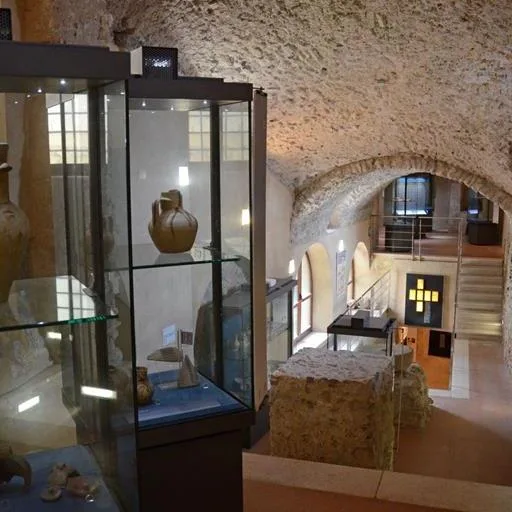
Since 2009 the castle of Arechi houses aMedieval museumwhere are exhibited numerous finds found during the archaeological excavation and restoration campaigns conducted during the twentieth century. Among the preserved materials is mainly ceramic, used for military purposes between the 9th and 11th centuries and subsequently for civil use. There are glass finds and numerous metal objects that can be traced back to the various activities carried out in the castle, dating back to a vast period from the early Middle Ages to the contemporary era.
To discover
– The Tower
The primitive tower plant, called in documentsturris maior, raised about half the sixth century by the Byzantines, is still partly recognizable today. It grew up on the rock developing on five or six floors. Its architecture developed using the continuous wall perimeter and a series of pylons which in turn supported the arches and vaults of the various floors
– La Bastille
It is most likely that the Normans have to build the northern part of the Bonadies summit, on a rocky spur of the Bastille, a real control tower. Consisting of a single compartment, it could only be accessed by the use of ladders or other removable tools, due to the obvious difference in altitude compared to the trampling of the external campaign.
– Ceramics and glass
The archaeological excavations conducted in the Castle have brought to light numerous fragments of “red” ceramics, characterized by a decoration with narrow spirals or broad bands that describe consecutive arches, protomaiolic ceramic, characterized by enamel coating, and scratched ceramics. At about 1200 are some glass glasses, whose color oscillates between green and blue.
Curiosity / To know
– A Roman castrum
It was probably the inhabitants of the Roman colony of Salernum who built for the first time on the Bonadies hill a real military garrison, whose main function was to control and “hold the threat of the Picentini, a local population ready to rebel against the predominant power of Rome.
– A prince and a monk
Arechi II, Duke of Benevento and Prince of Salerno, was a real patron of many men of culture of his time, including Paolo Diacono, monk and writer Lombard, author of theHistoria Langobardorum. The work, written in Latin, was made up of six books and narrated the history of the Lombard people from the origins to the death of King Liutprando in 744.
– A sport of other times
In medieval times a widespread sport was hunting, especially loved by the lords and princes, who owned horses and dogs trained to smell and follow the traces of the prey. A widespread practice was the hunt with the hawks, who were trained both on the low flight, to break down the deeds of sopiah, and on the high flight, to break down the prey from above. From here the art of falconry still practiced today by falconers.


 Salerno longobarda Artistic Historic