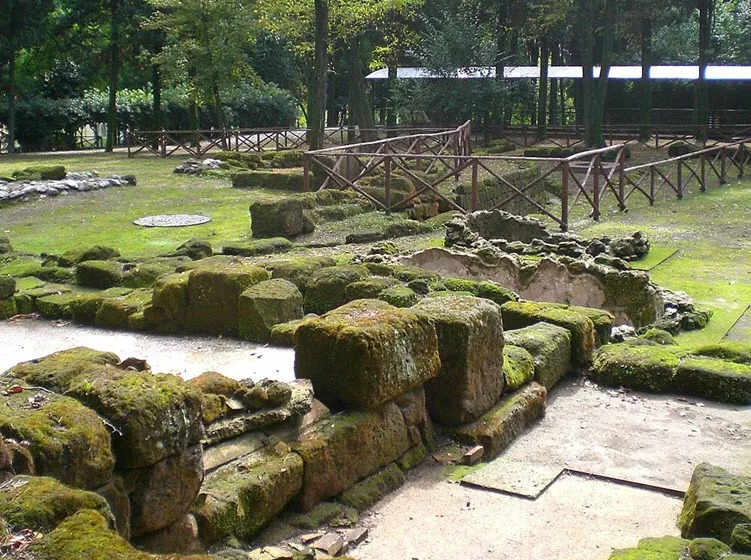
It is one of the most important acquisitions of the recent history of the city of Salerno, since a vast excavation campaign has returned various layers of the complex.
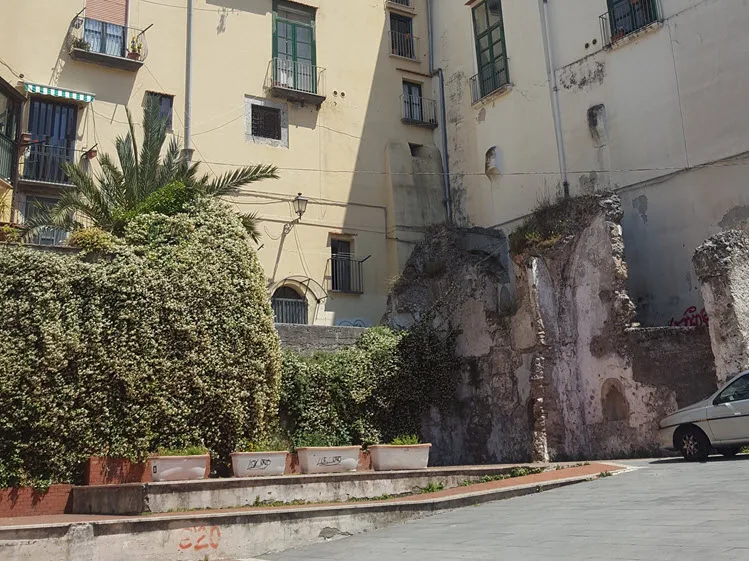
The Palatine Chapel di San Pietro a Corte was built by the will of Prince Arechi II, between 758 and 787, within a precise political program, according to which the prince thought it necessary to provide himself with a second well-fortressed city besides Benevento, capital of the Duchy. The construction of thepalatiumand the church involved a Roman thermal building, active between the 1st and the 3rd century. The chapel, connected to the palace by a loggia, was superimposed to the room of a largefrigidarium, partly already reused in early Christian age as a place of worship and burial.
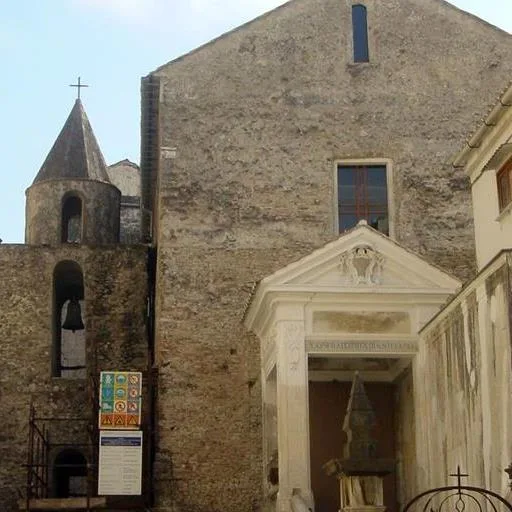
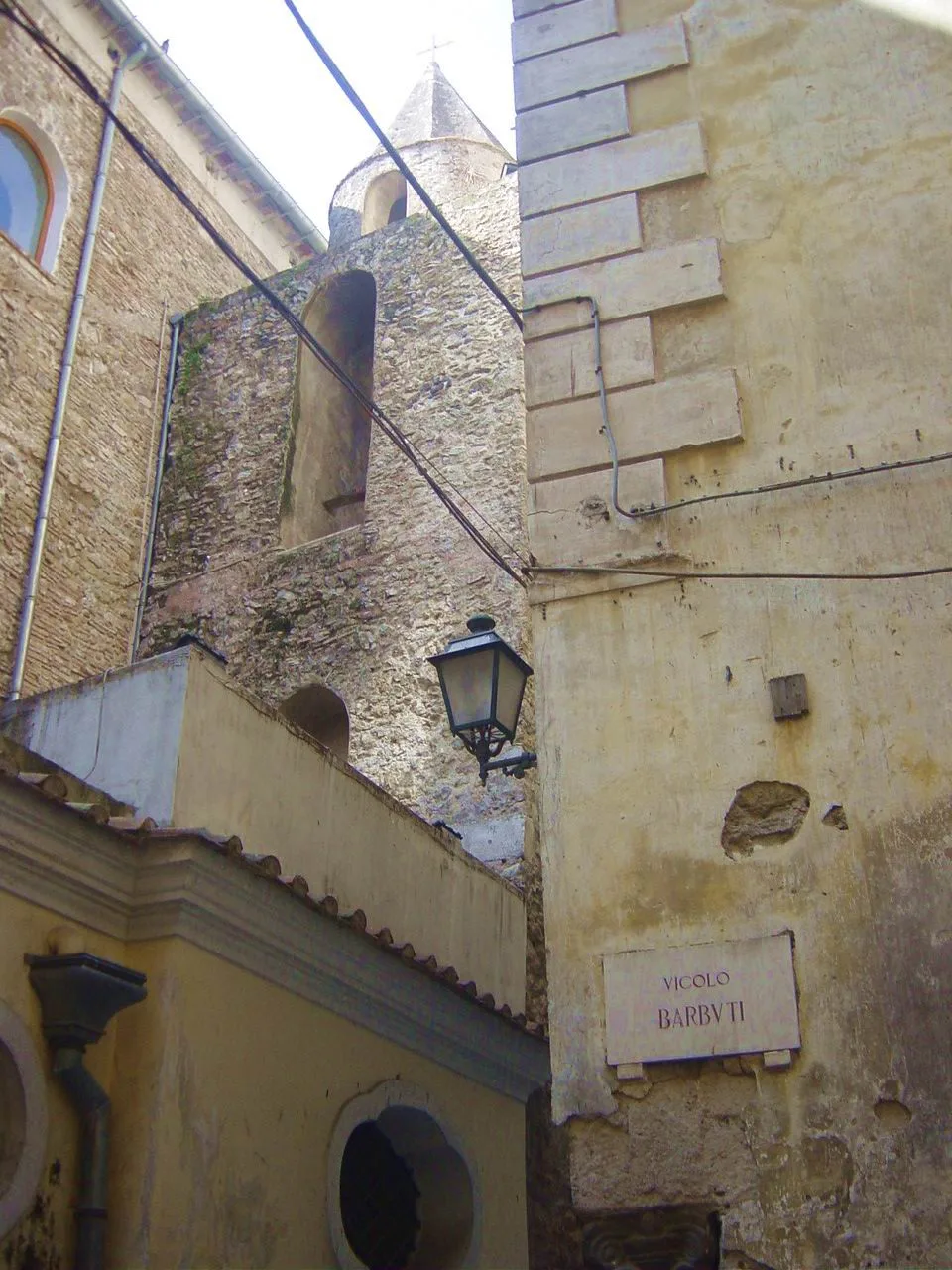
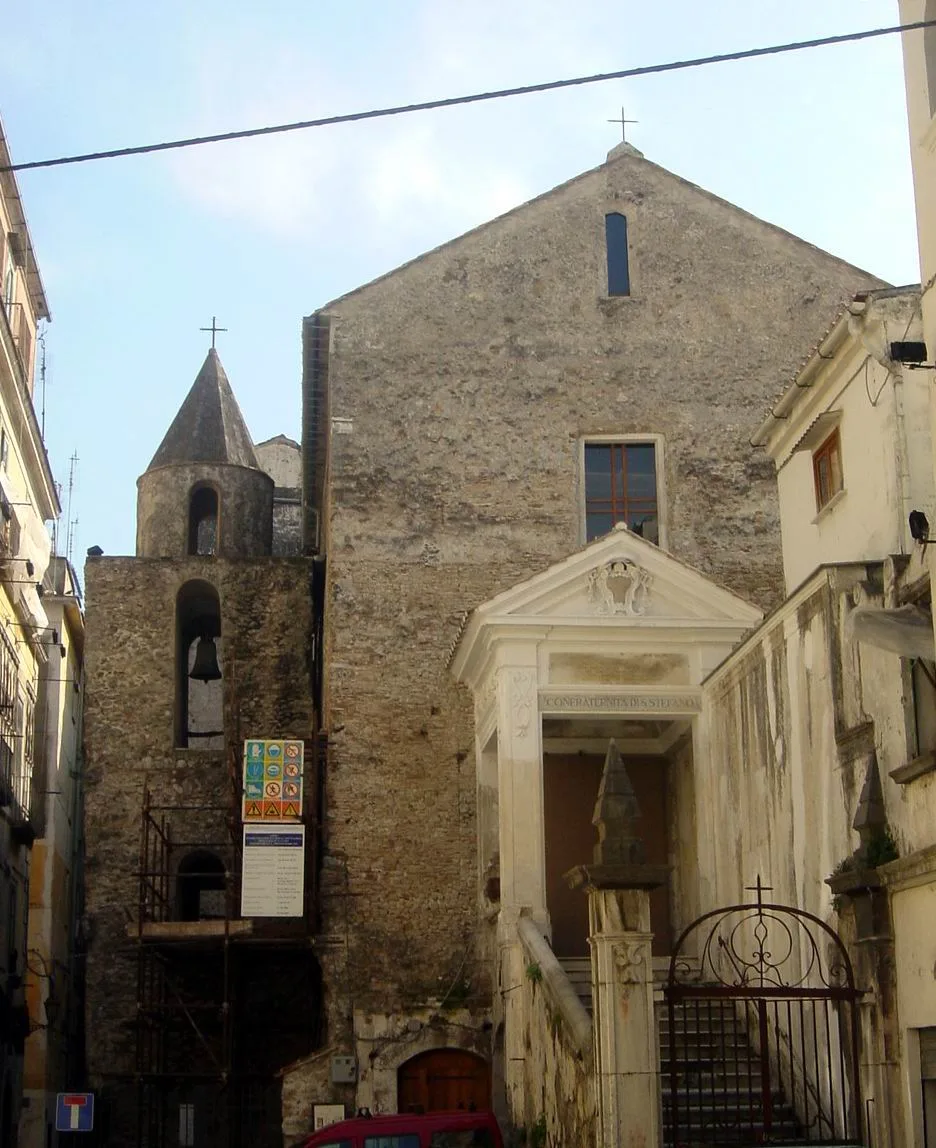
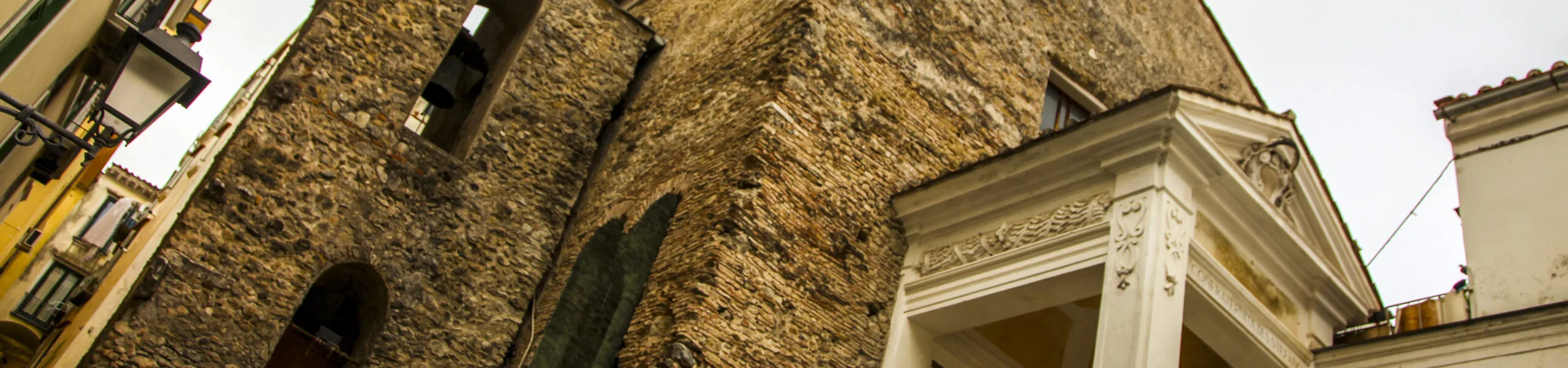
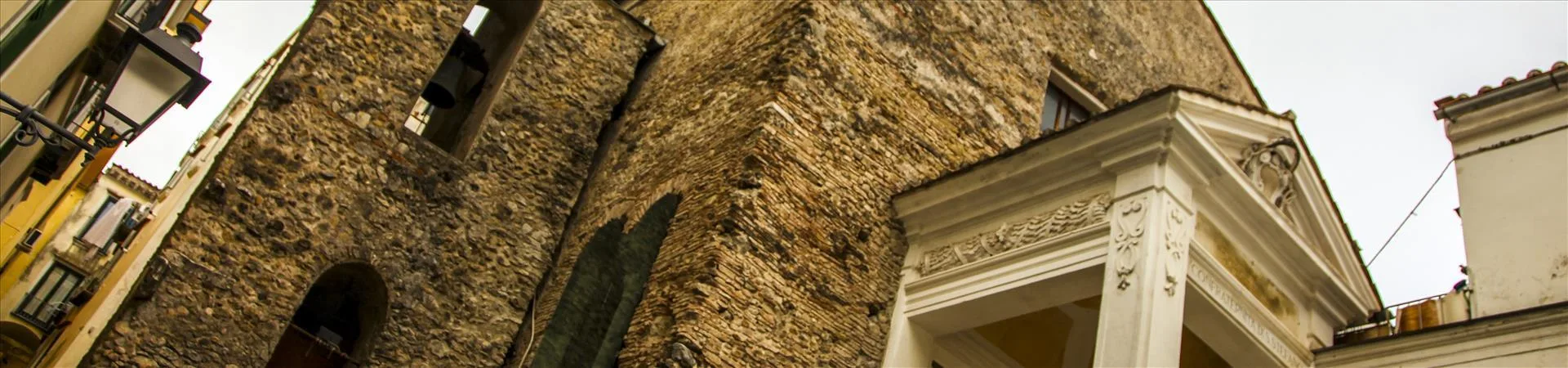
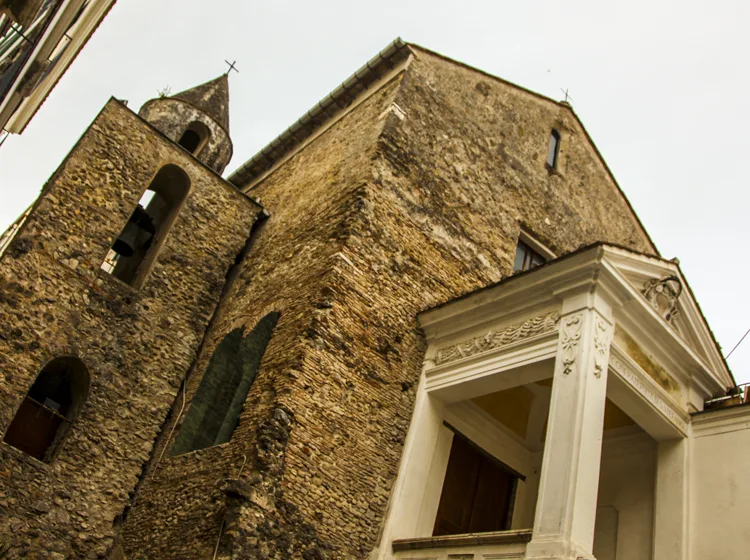
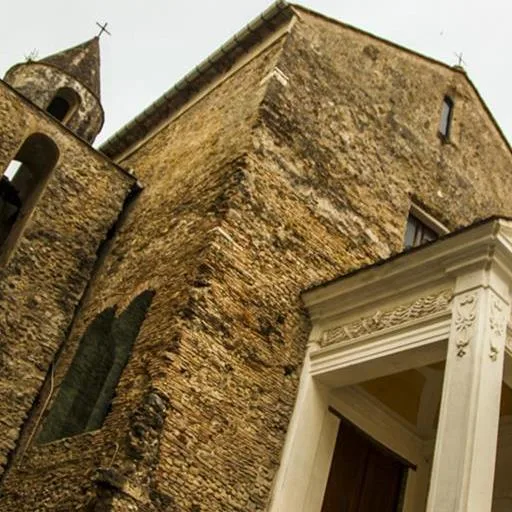
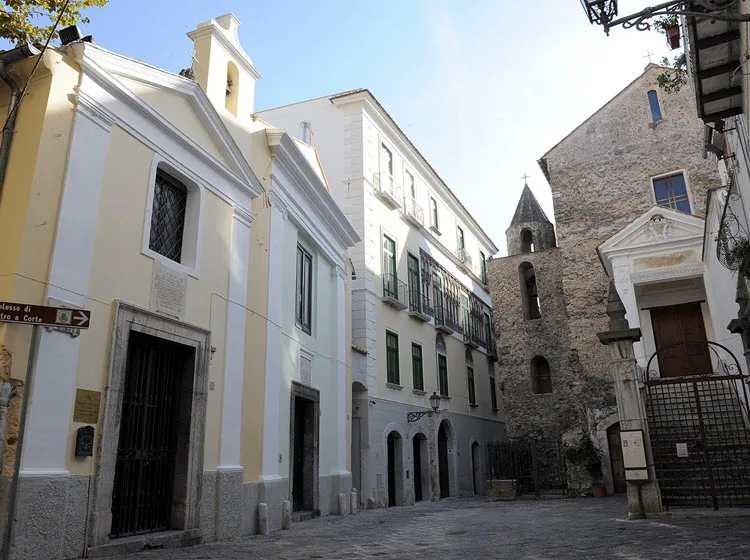
The bell tower, which rises on the northern side of the chapel, is an addition of the sixteenth century, together with the staircase, that today allows access to the church from the outside, restored in the eighteenth century. The interior is a unique nave with apse. On the north wall, at the sides of the bell tower, two doubles with central column, while, in the direction of the apse, the wall ends with two monophs. The windows and the loggia were the only light for the interior of the chapel.
In the 13th century the church was used for public ceremonies, includingconferment of the degrees Salernitana Medical School.
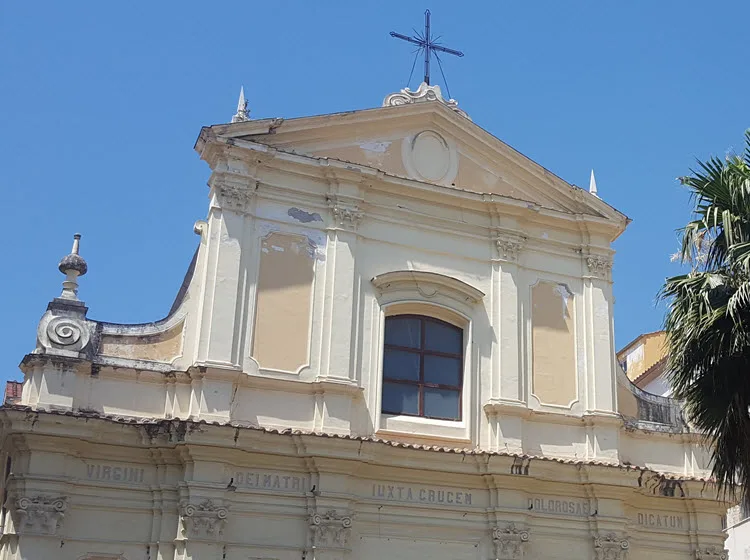
From the sixteenth to the nineteenth century the church, with alternating events, was disputed among the abbots of San Pietro a Corte and the archbishops of Salento. With the legislation of 1867, the abbey was suppressed. In 1881 the princes Pignatelli sold the property to the brotherhood of the Immaculate Conception, extinct which, the church passed in 1938 to the brotherhood of Santo Stefano, from which he also took the name.
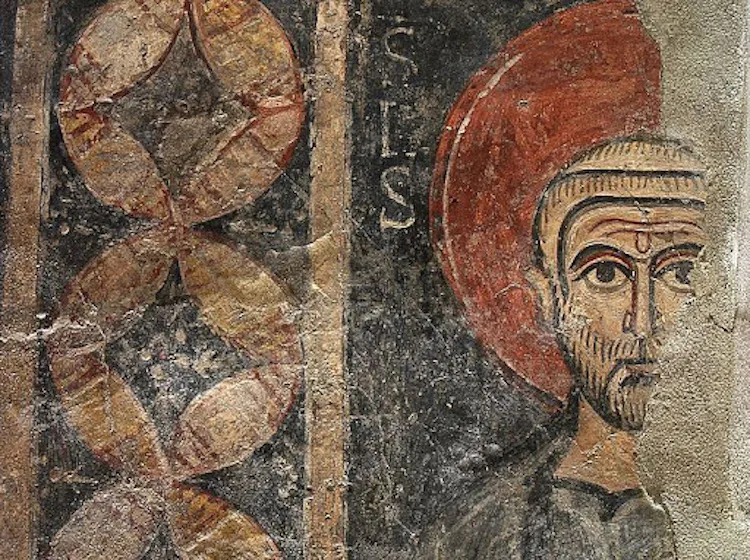
The lower environment, or ipogee, is divided into two compartments placed on different levels: a level is affected by buried, the other ends east with one Rectangular apse, with presbytery bound by walls and provided with a small altar. The walls of this last environment are also frescoed with iconic paintings dating back to the late 12th century, of strong Byzantine influence.
Addited to the medieval complex of San Pietro a Corte is finally a small chapel of Sant’Anna, whose turn is painted with Marian scenes, the work of the painter Filippo Pennino of the second decade of the eighteenth century, while on the southern wall is placed a second painting depicting Saint Anne with the Virgin girl and two saints, whose history does not exceed the middle of the sixteenth century.


 Salerno longobarda Artistic Historic