The museum
Established in1927, the museum has known several locations until it finds its definitive location in the heart of the city of Salerno, a few steps from Via dei Mercanti.
Originally housed in the Palazzo di Governo, the current seat of the Province of Salerno, in 1939 he was transferred to the Casina dell’Orto agrario after the outbreak of World War II, to return again to the original seat until the1964.
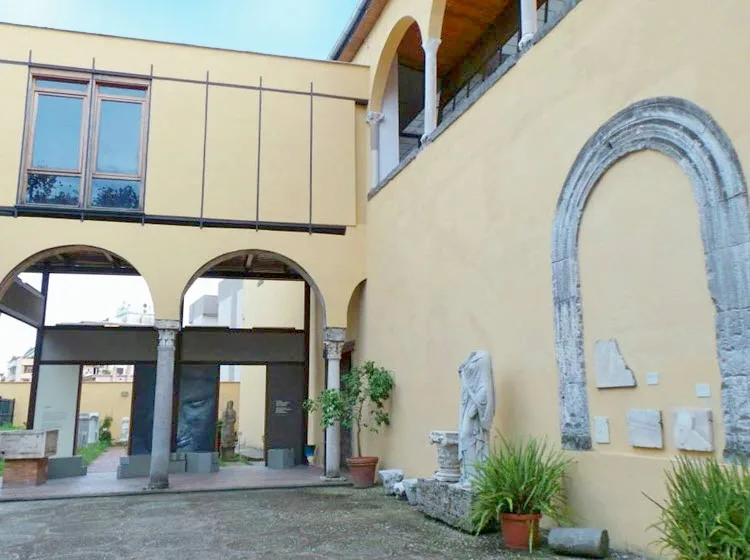
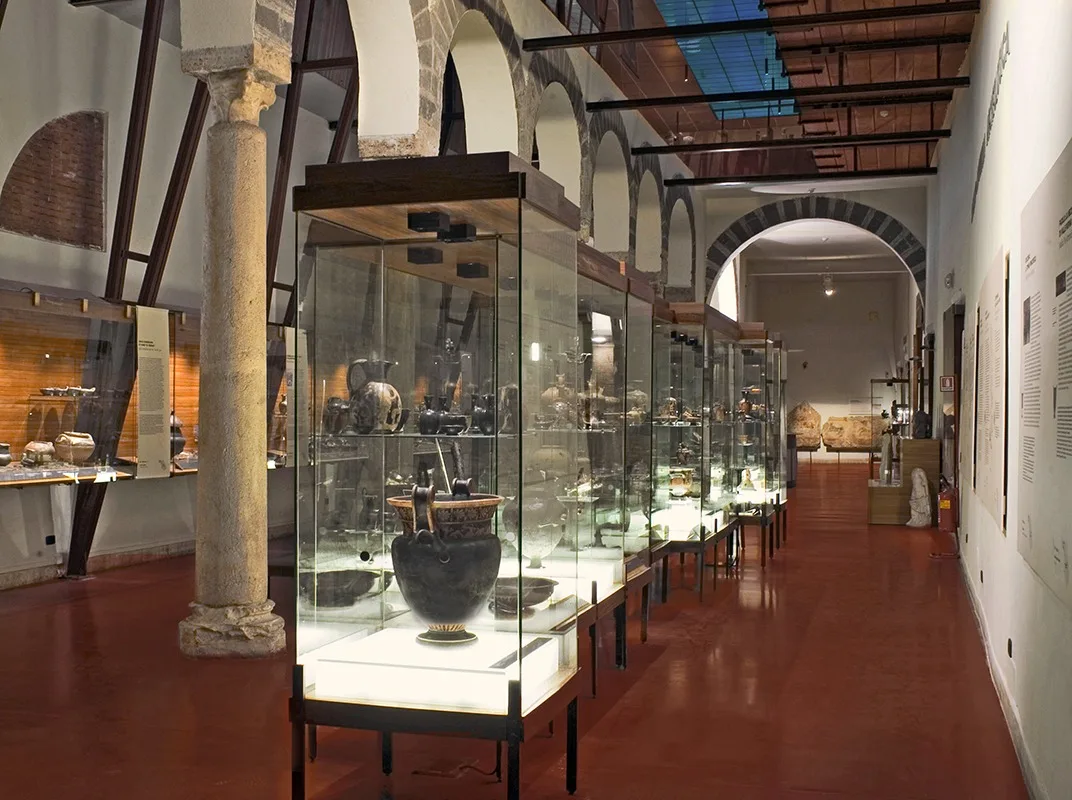
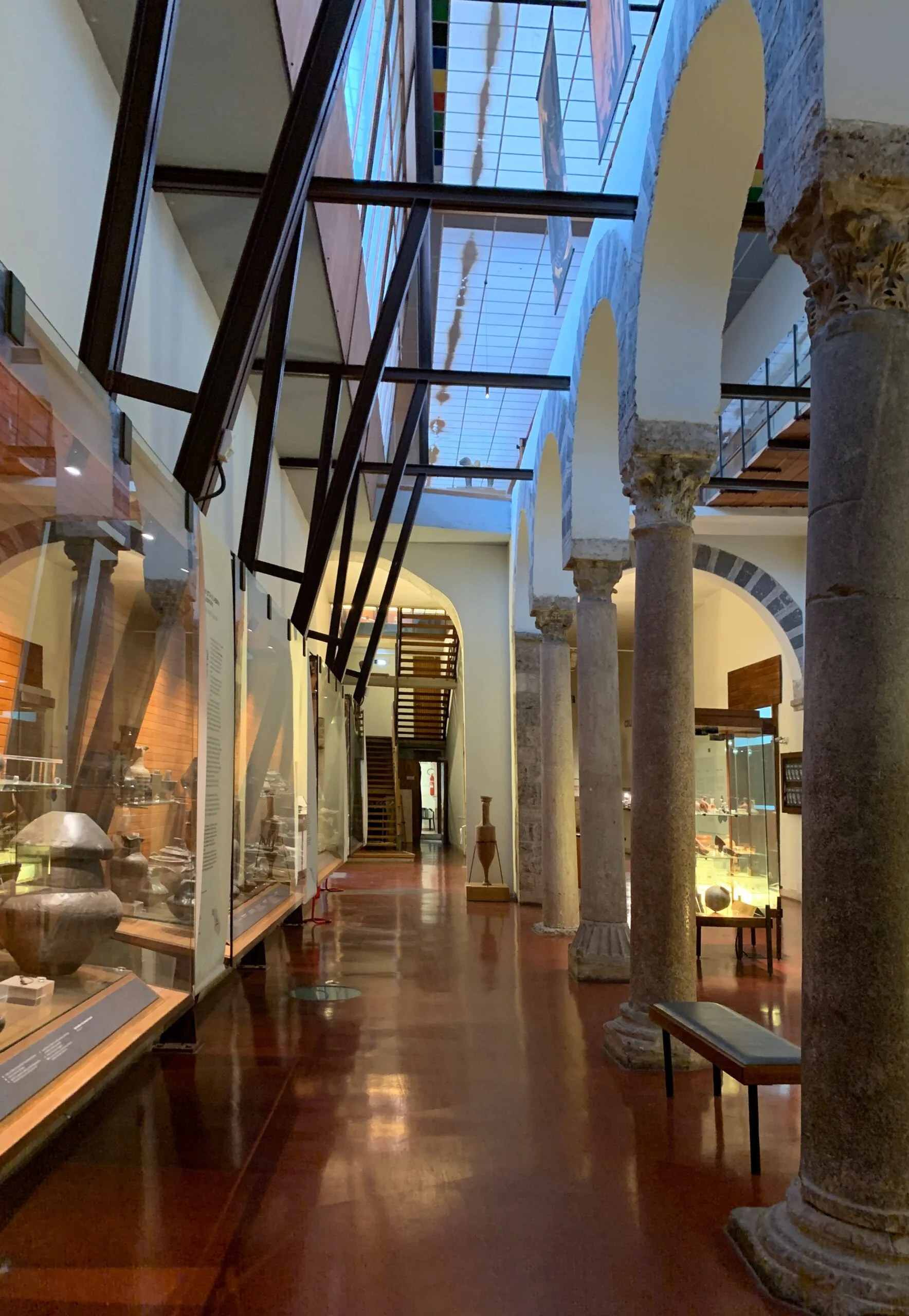
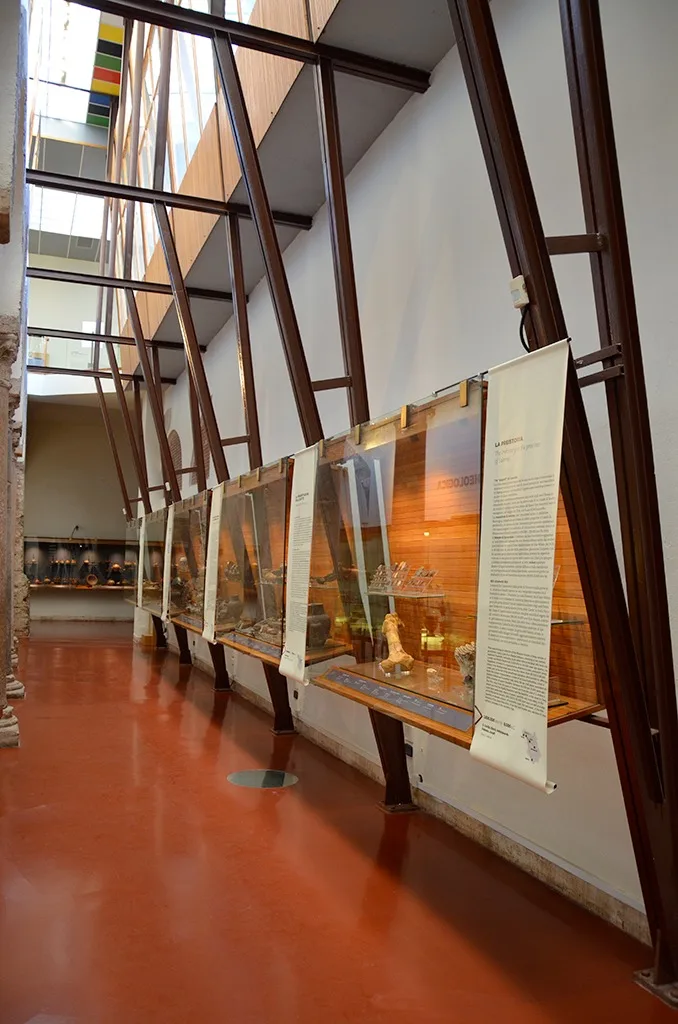
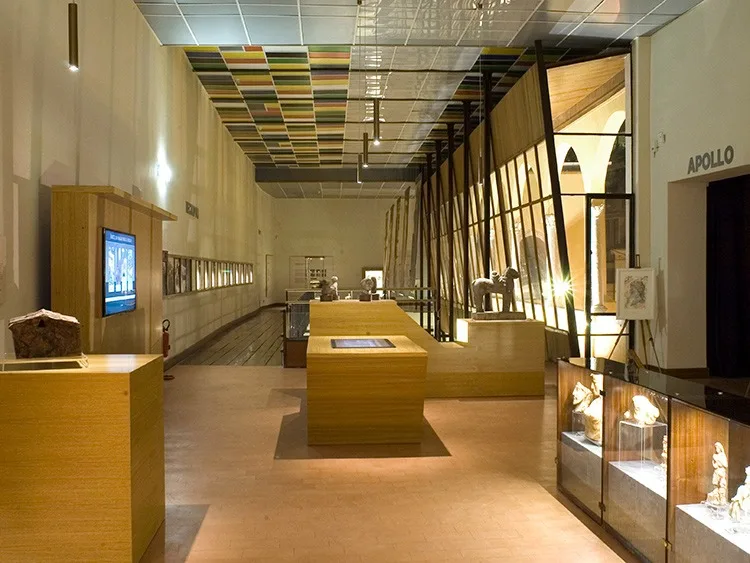
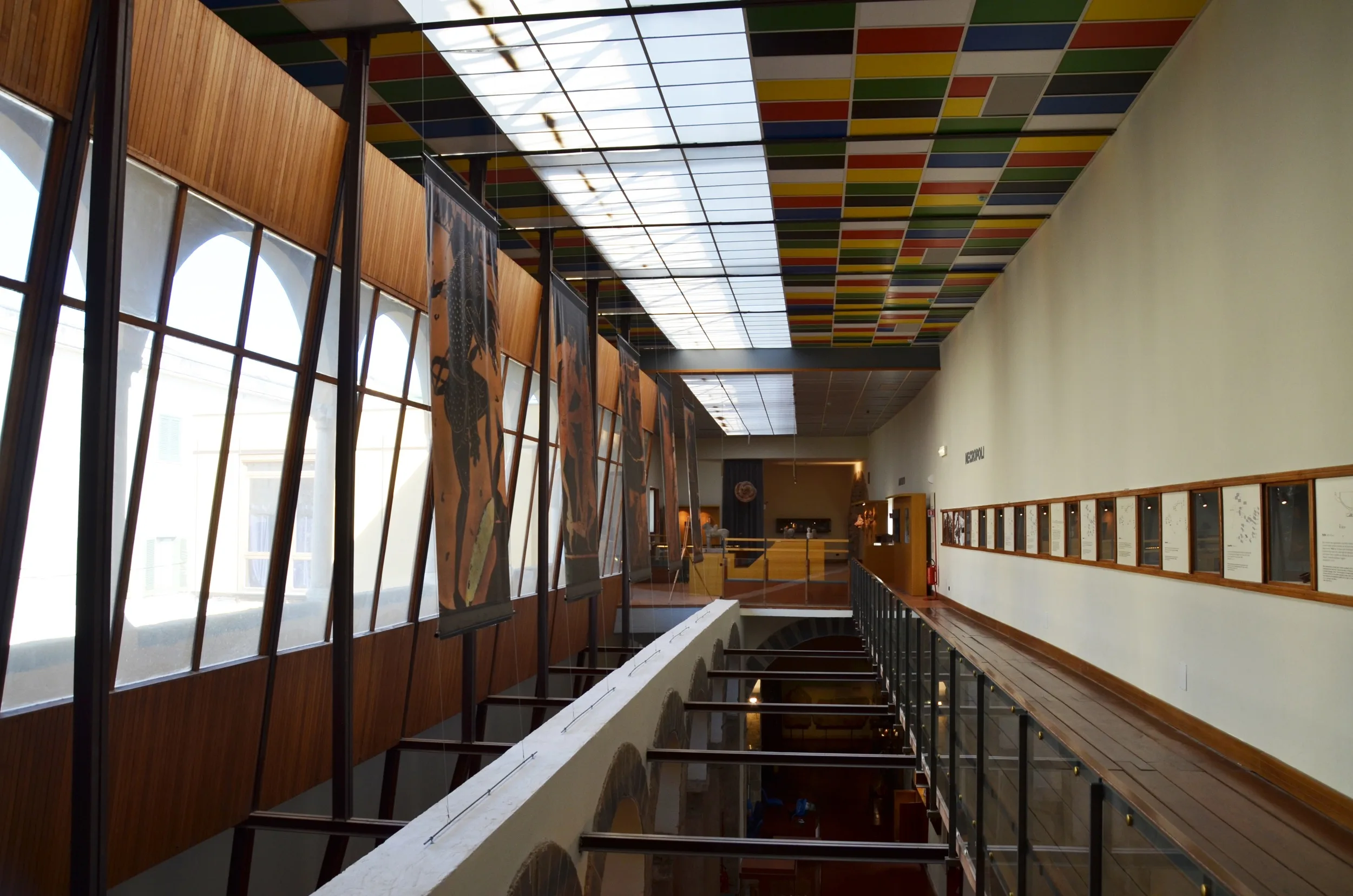
It was then that the director Venturino Panebianco chose as definitive location of the museum the ancientmedieval complex of San Benedetto, building of extraordinary architectural interest whose original plant is from the Lombard era. The project was entrusted to the architectEzio de Felice, which proposed a two-storey layout still today considered admirable for the innovative reach and respect of the places.
In2013the provincial administration has expanded and updated the exhibition path, starting an activity of relaunching the archaeological museum and promoting educational activities, exhibitions and cultural events.
The collection
The museum houses a rich documentation from the city of Salerno and the major archaeological sites of the province.
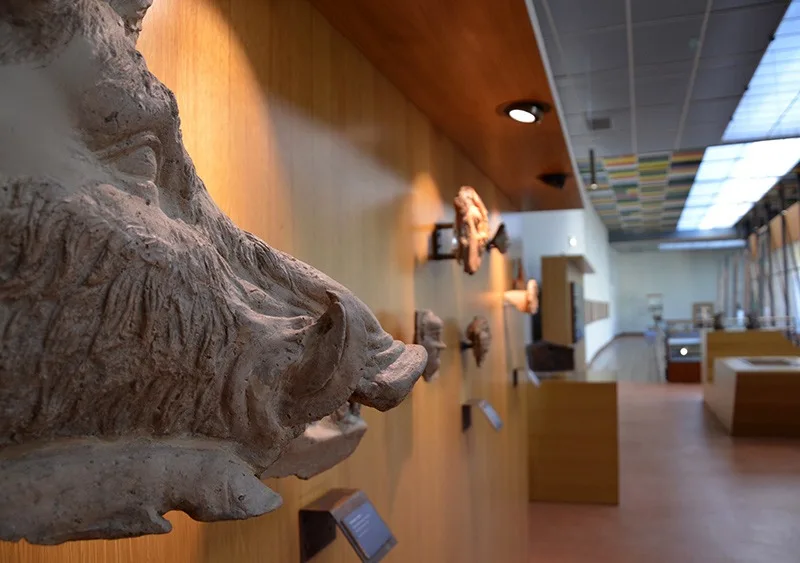
The findings range fromPrehistoryto theTarda Imperial Roman Ageand include animal remains and household utensils, weapons and jewelry, statues and architectural decorations.
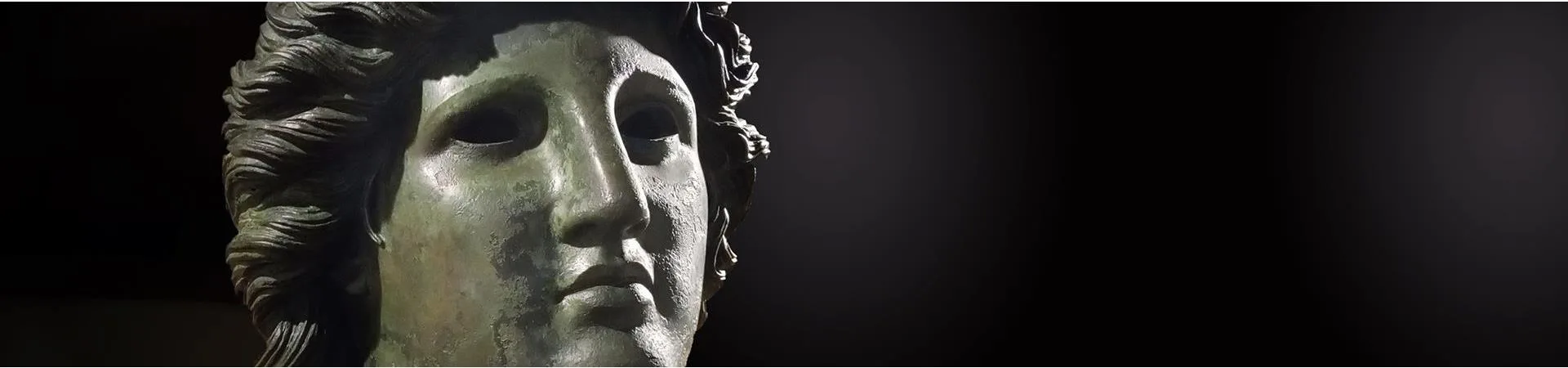
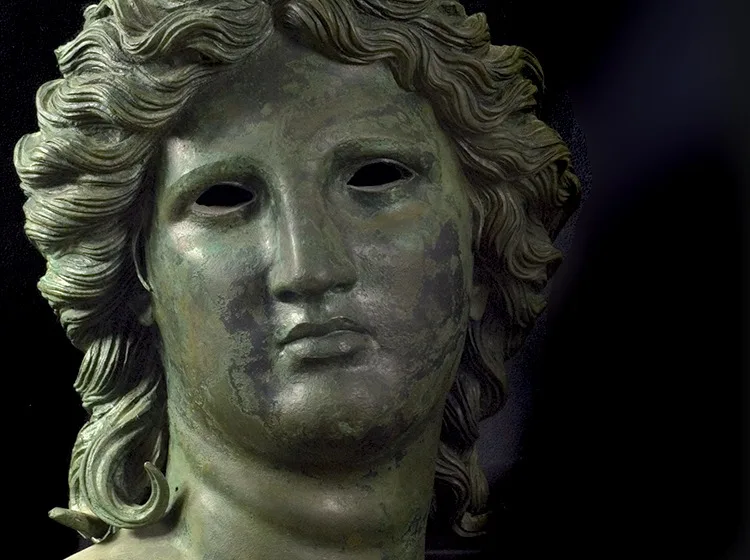
Along the exhibition you will find everyday objects and war kits, gifts to gods and beautiful decorated vases, up to the beautifulhead of Apollobecame the symbol of the Provincial Museums of Salerno.
The exhibition follows a pathchronological and topographic:
-it starts from the stone, in the small garden in front of the entrance, which collects works of Roman Age such as statues, inscriptions and cinerary urns, found in the city of Salerno from the late 17th century onwards.
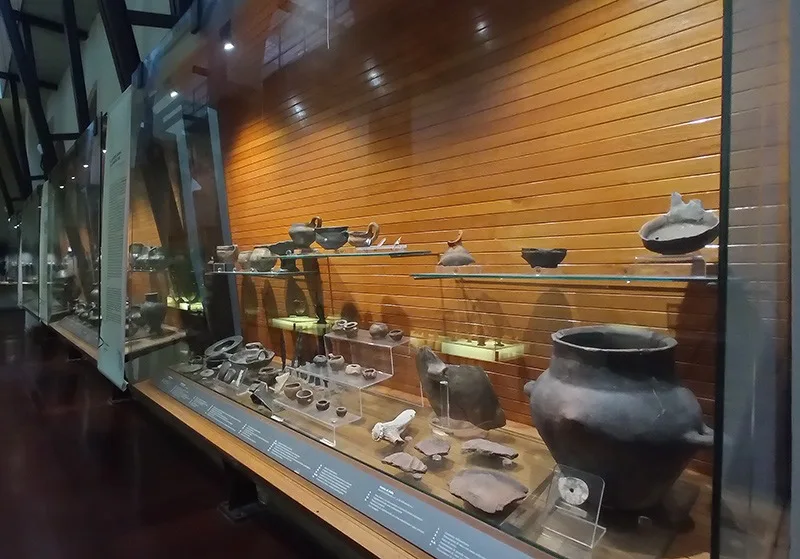
-The prehistoric section on the ground floor shows finds that can be traced mainly to the Neolithic and Paleolithic. Some of these objects have been returned to Palinuro and the cave of Polla and Pertosa.
The Iron Age is evidenced by finds on the main cultural currents that characterized Campania and Salernitano:
– The Villanovian culture, which includes the cremation of the dead, whose broken bones are enclosed in a pot covered by a bowl, if the deceased is a woman, or by a helmet, if man. The materials from Pontecagnano and Sala Consilina are displayed in this historical phase;
– the culture of graves, dug directly into the ground, whose existence is witnessed by kites from the Sarno Valley and the Upper Sele.
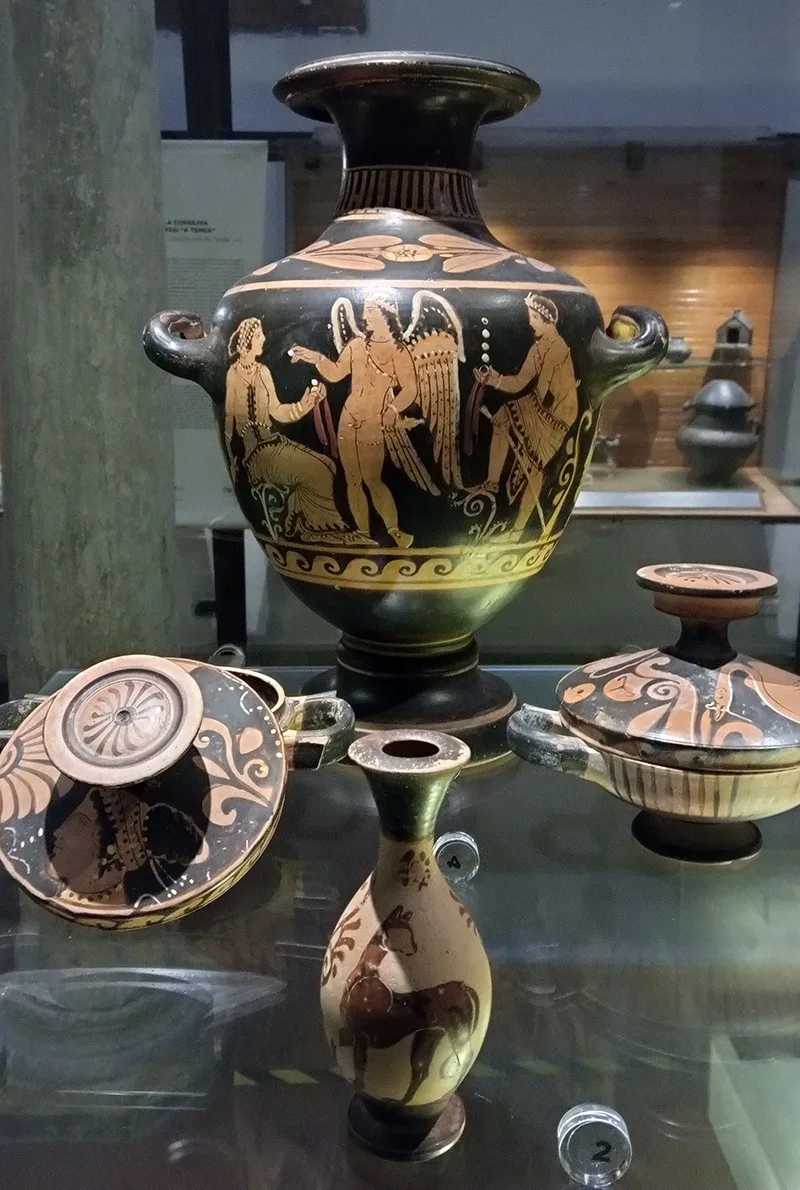
– The Greek period is witnessed by vasellame of ceramics and bronze dating back to the 6th century, while by Oliveto Citra comes a tomb of the 5th century including skeleton and funeral kit.
– on the first floor are exhibits from the Etruscan-campan site of Fratte (VI – III century BC), an important settlement before the Roman Salernum located on the northern outskirts of the current city. vases depicting Greek mythological scenes, bronze vasellame of Etruscan tradition, funeral kits.
– A specific section is dedicated to the famous bronze head of Apollo (I sec. a.C. – I sec. d.C.), reborn in 1930.
Treasures to discover
– The Complex of San Benedetto
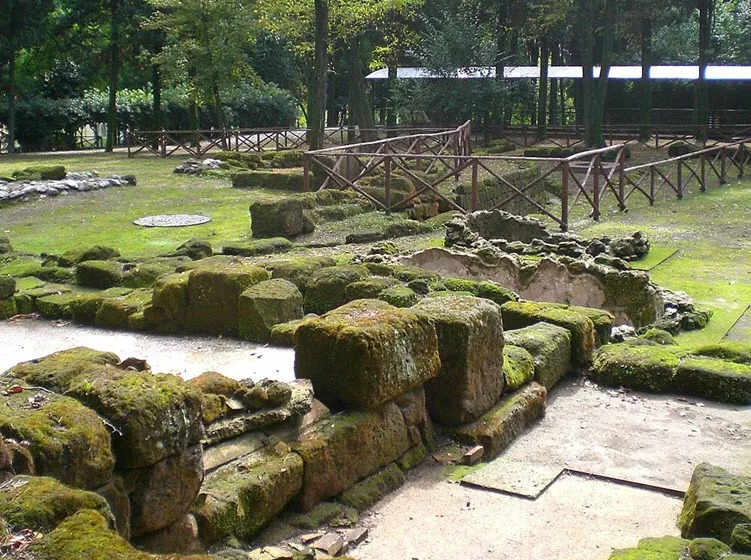
It was built between the 7th and 9th centuries, near the plateau calledHortus magnus, on the eastern walls of the defensive system wanted by Arechi II. In 930 the monastery assumed the rank of abbey. Among his walls, important historical figures such as the Abbot Desiderio, the future Pope Vittore III, and Gregory VII, who died here. The monastery, passed over the years by the Benedictines to the olive trees following the Napoleonic laws, was suppressed in 1807 and transformed into a military district, while the church was used as a Real Theatre to be returned to the Curia only a century later. Several parts of the Romanesque quadriportico and the Renaissance loggia of the “Castelnuovo Reale”, belonged to the palace of Queen Margherita of Durazzo.
– Head of Apollo – I century BC – I century AD.
The bronze head depicting the god Apollo was found in the waters of the Gulf of Salerno on December 2, 1930, after being entangled in the nets of some fishermen. The head represents an extraordinary example of the Greek-inspired bronzer or Greek-style of late Hellenicism, by some considered the work of the rural bronzer Pasiteles,summus et artifex diligentissimus, active in Rome and Naples in the first century BC.
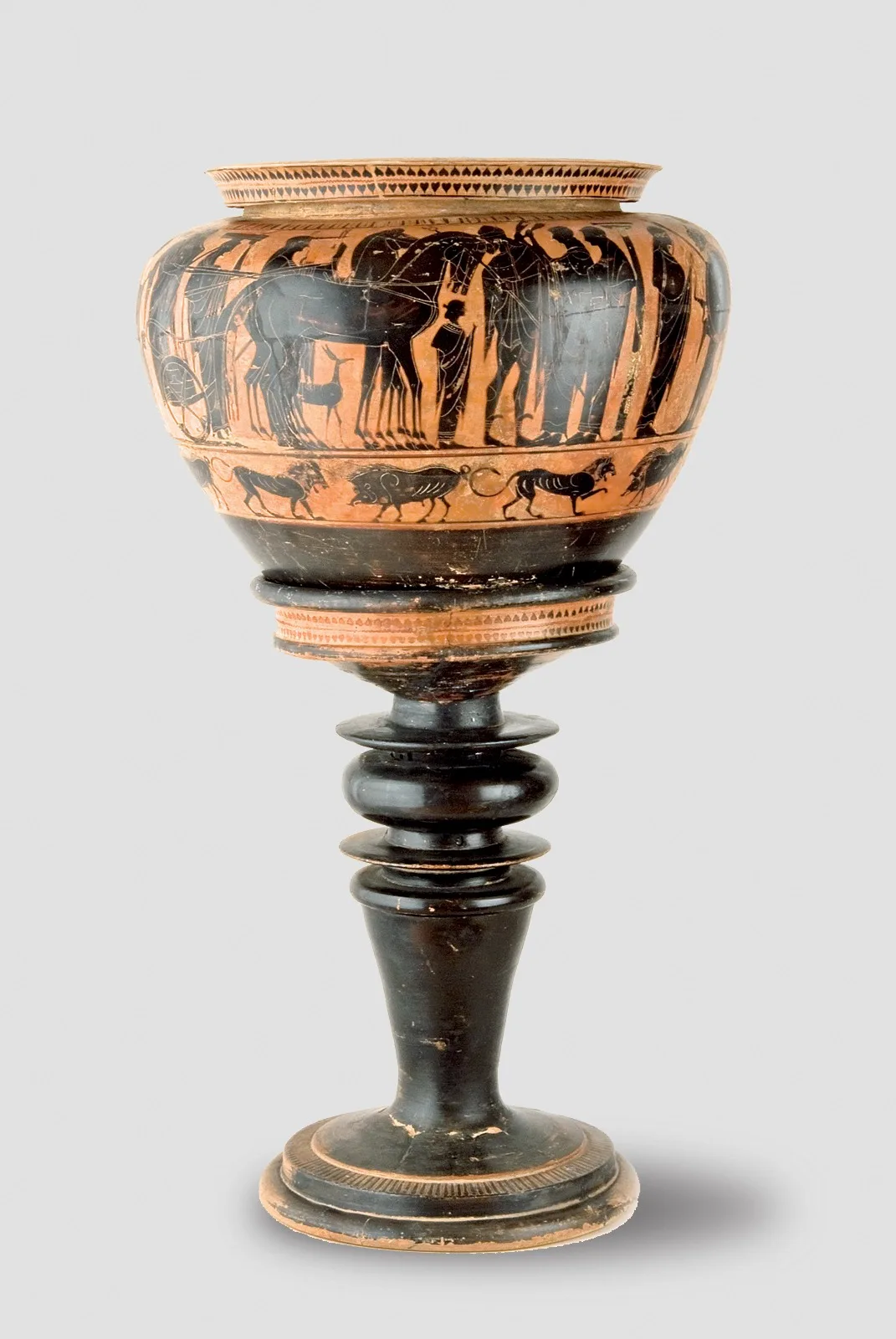
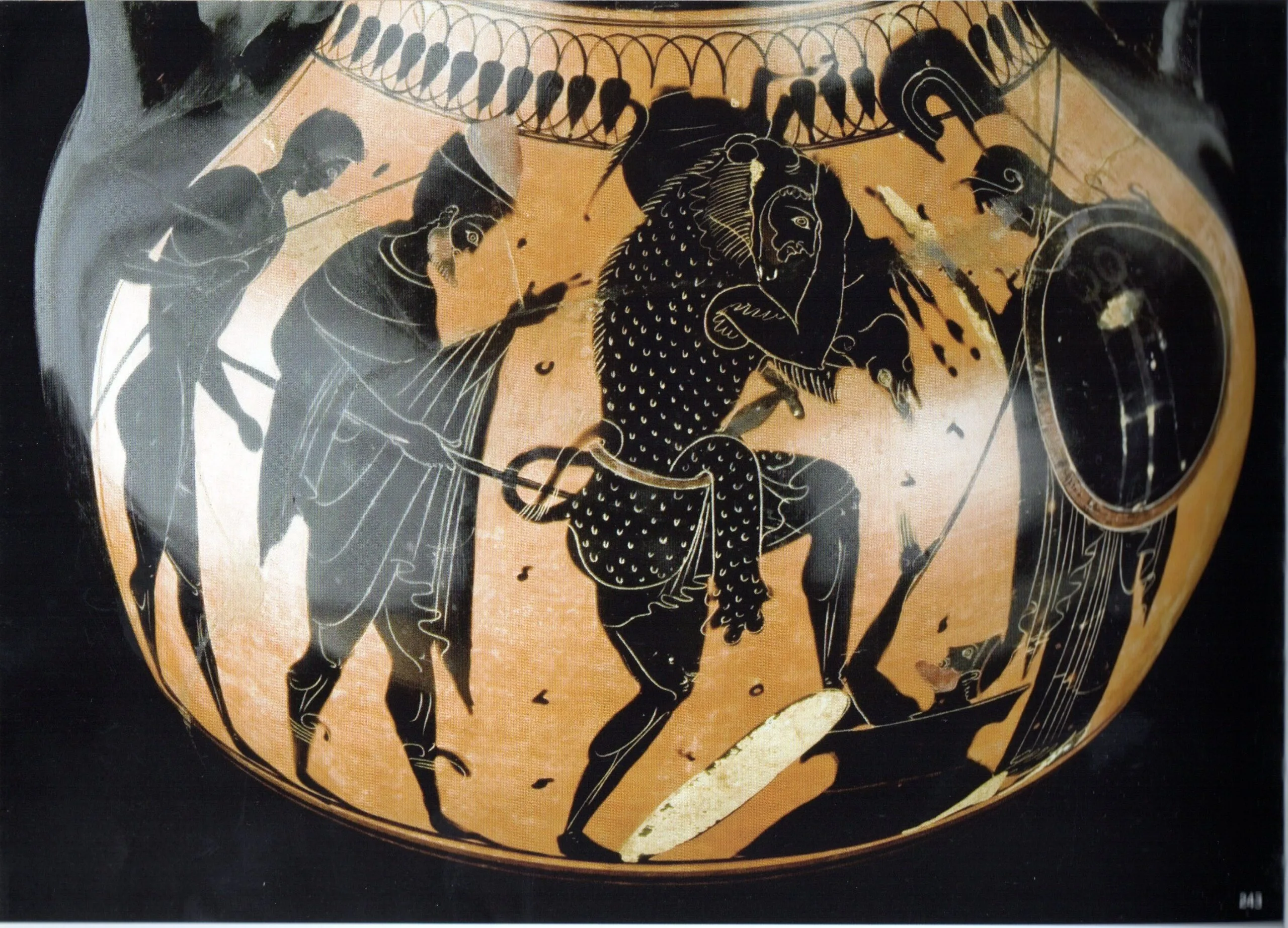
– Deinos penthouse with black figures – end of the VI and beginning of the fifth century BC.
Among the vases figurative from the necropolis of Fratte, stands a greatdeinospenthouse with black figures attributed to the painter of Antimenes. Thedeinos, like the crater, constituted the central element of the symposium and was destined to contain the wine. Of considerable interest is the decoration of the vase, with mythological scenes richly illustrated. The work bears traces of a restoration before its deposition in the tomb, witnessing the exceptional nature of the object already warned by the ancients.
Curiosity / to know
– Villanovan culture
The “villanovian culture” or the Villanovian civilization dates back to the first Iron Age and represents the oldest phase of Etruscan civilization. The name comes from the village of Villanova, a fraction of the municipality of Castenaso near Bologna where, between 1853 and 1855, the remains of a necropolis were found, consisting of 193 tombs
– A miraculous fishing
In the storyMiraculous Fishingof 5 May 1932, Giuseppe Ungaretti narrates the miraculous discovery of the head of Apollo and the visit of the poet to the museum itself: “It’s already almost night, and in line go back to the port the fishermen of anchovies. Collecting the nets, one evening, a millet was taken not the throat of a fish, but to a sniper, a head of Apollo. It was then raised in the palm of a wrinkled hand and returned to give life to the light bleeding through the vampires of the sunset – at the point of the neck where the cut – to that fisherman appeared the Baptist. I saw it at the Museum of Salerno, and it will be practicable or hellenistic, no matter: but this face, which for more than two years was worked by the sea at its bottom, has in its patina all the colors that we have seen today, has shells in the ears and nostrils: it has in its indulgent smile and frantly, I do not know what song of youth resurrected! Oh! You are the serene force and beauty. What a wish does not bring us this image that, among the olive trees, has finally returned among us”.
– Ezio De Felice
The architect De Felice, who has curated the restoration and preparation of the provincial archaeological museum between 1956 and 1964, is considered one of the cornerstones of the Italian museum experience. Architect and university professor, expert in restoration and museum, artist and multifaceted collector, has signed numerous projects throughout Italy. In 1966, the exceptional quality of the intervention brought him the National In/Architecture Award.


 Ancient Salerno: between Etruscan and Romans Artistic Historic