


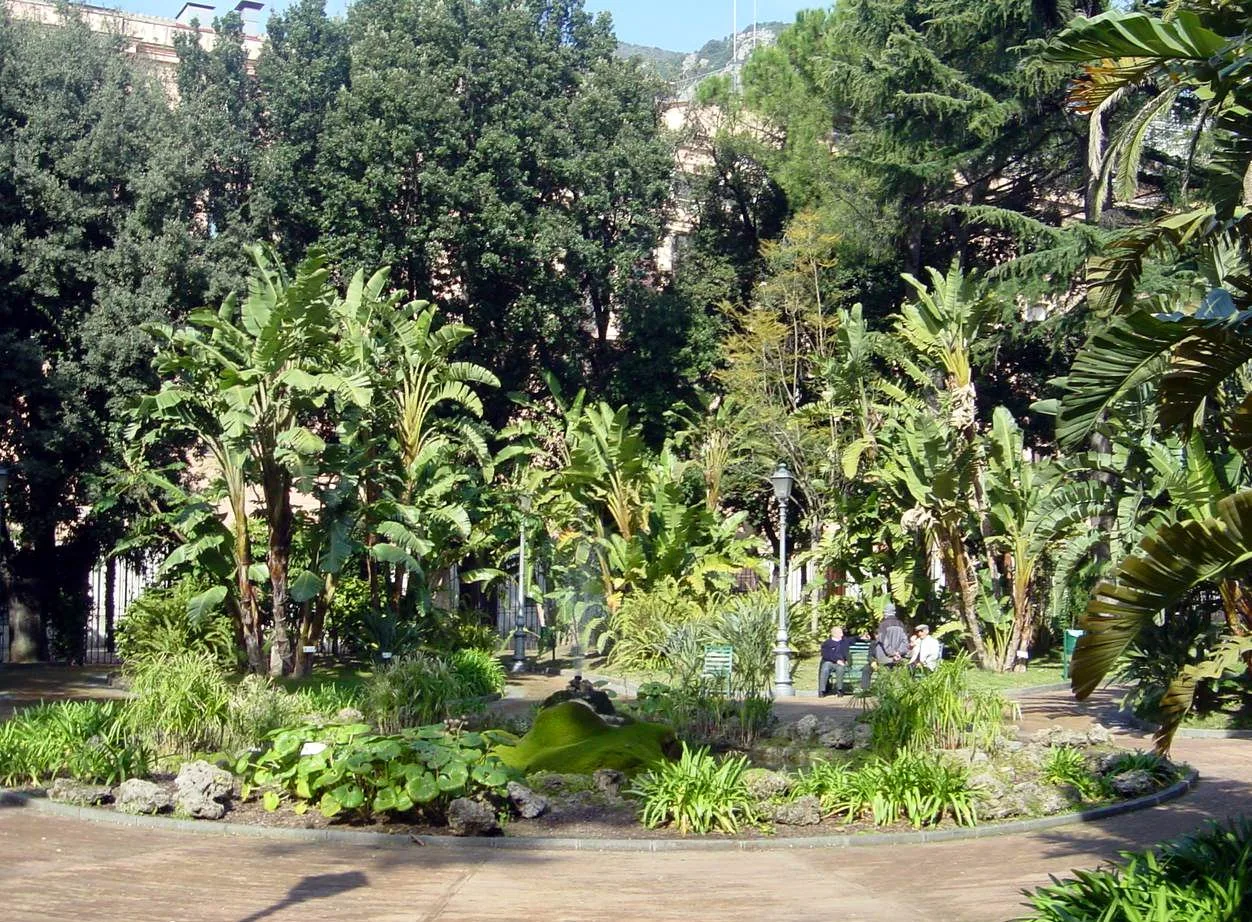
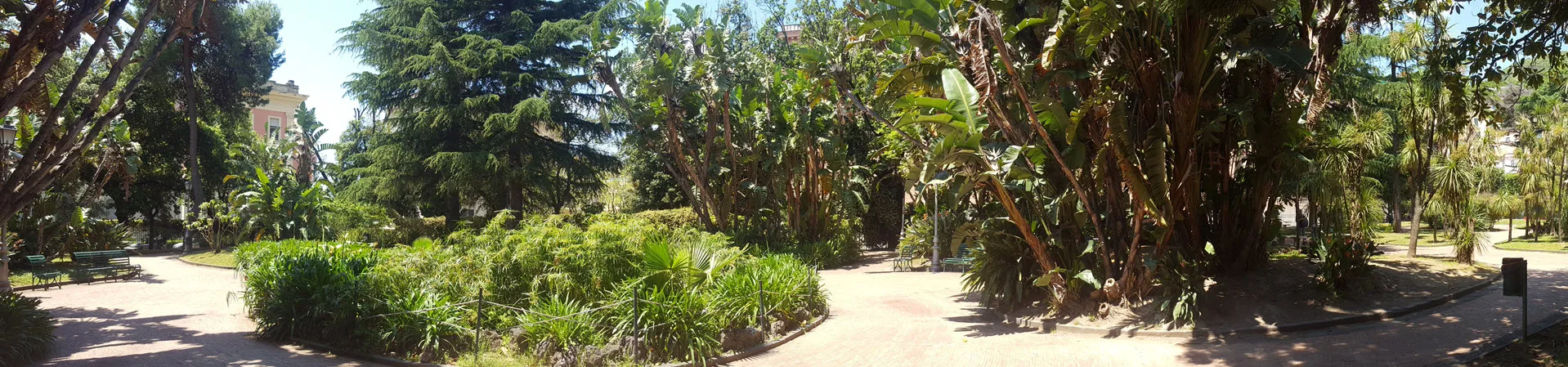
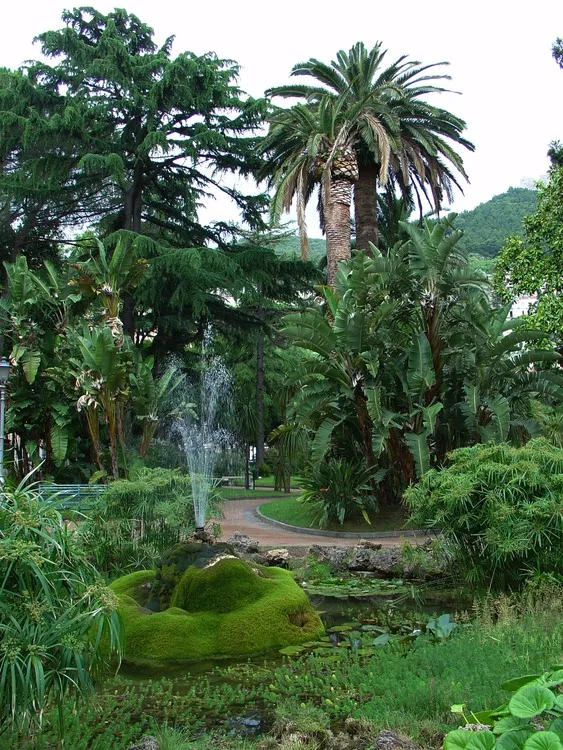
The Villa Comunale is a real botanical garden of rare plants and preserves the quiet and austere air of the post-resurgent period, in which it was built.
 The nineteenth and twentieth centuries until Fascism Artistic Historic
The Villa Comunale is a real botanical garden of rare plants and preserves the quiet and austere air of the post-resurgent period, in which it was built.
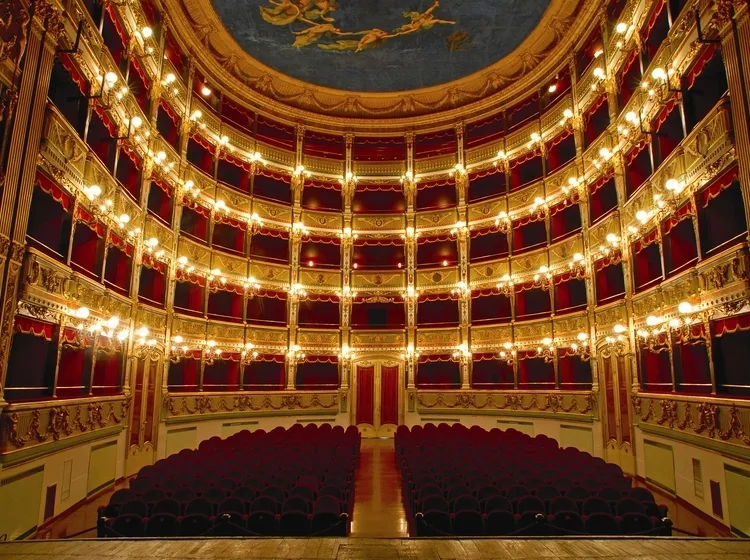
Born in close connection with the eclectic municipal theatre, inaugurated in 1872, the Gardens of the Villa Comunale of Salerno represent for the post-unitarian city an expansion of the historical walls, to create a public recreation and entertainment area, but also of representation for the new emerging class.
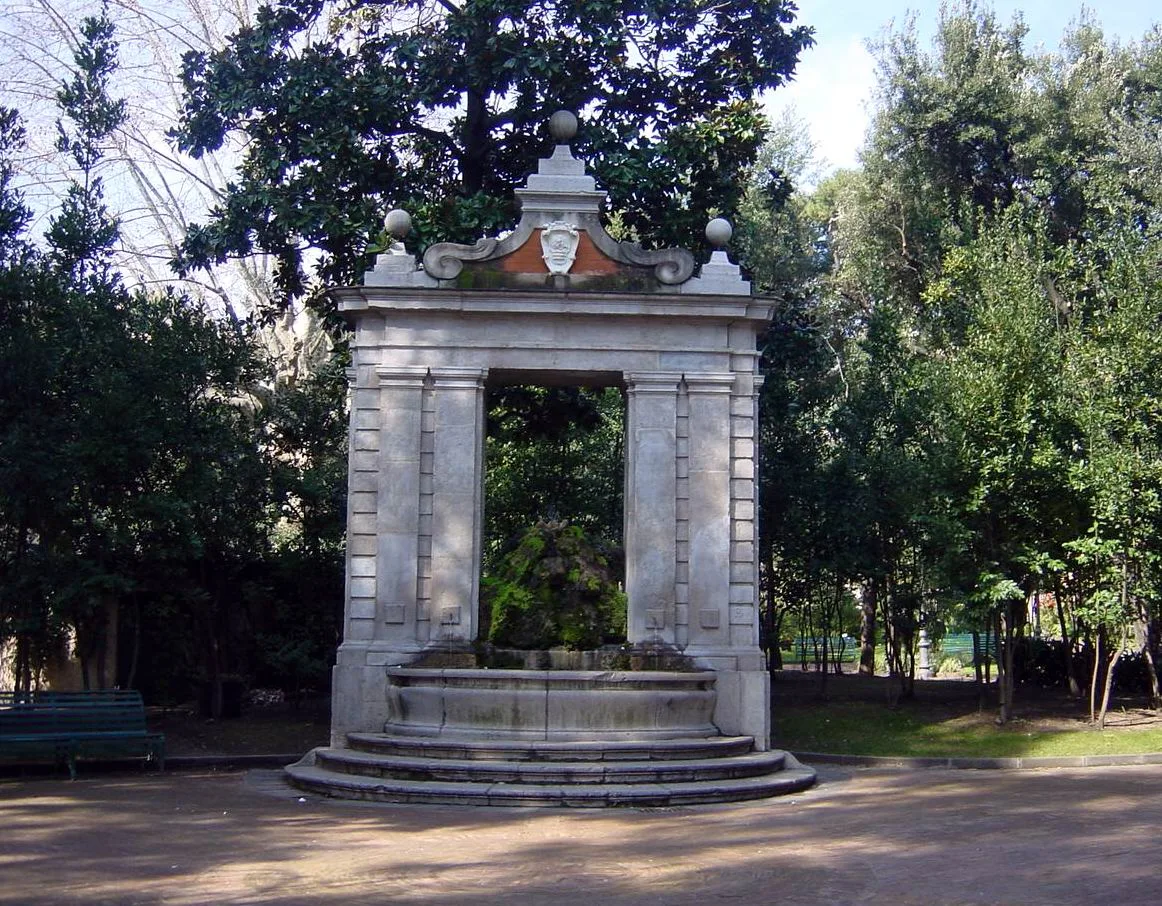
Thehistorical nucleusof the Villa consists of a tree-lined avenue that departed from the famousEsculapio fountain, also known as“Don Tullio”, from the name of the benetant Salernitano who gave it to the city, built in 1790. Until the middle of the 19th century the town with the walled waterfront, the fountain and theChurch of Santa Maria di Porto Salvo(today Sant’Anna al Porto), still “wet” by the sea, formed the official image of the city that was delivered to history by a French photographer, Paul Jeuffrain.
The Villa which we can now see, though deeply transformed,was born only after the unity of Italy, precisely in 1874, project by architect Casalbore.
The intervention included flower beds and curvilinear paths, plantations, statues and fountains on a triangular filling cut by two avenues; a raised base for the music was placed in the center, while the preexisting fountain was used by a prospective background towards the sea. The dimensions and spaces expressed arenewed and broader urban conception,laying the foundations for the creation of a link between the old town and the sea front, a business card for a city that strongly lives the relationship with water.
The Villa Comunale became thefulcrum of worldly life in 19th century Salerno, concerts and religious events took place periodically.
After the destruction oflast post-war periodwere planted in the gardensmany holm oaks, palms of the Canary Islands(today unfortunately disappeared),Aleppo and domestic pines(Pinus pineapple), Himalayan cedars (Cedrus deodara), a high group ofWashingtonia filiferamarried toBougainvillea labra, in addition to isolated examplesbotanical curiosity.
Starting from the 60s the pavement of the avenues, the modern materials in replacement of the original ones, a little careful maintenance and a widespread vandalism had deteriorated the villa, to the point that, except the arboreal specimens, very little had remained of the original furniture.
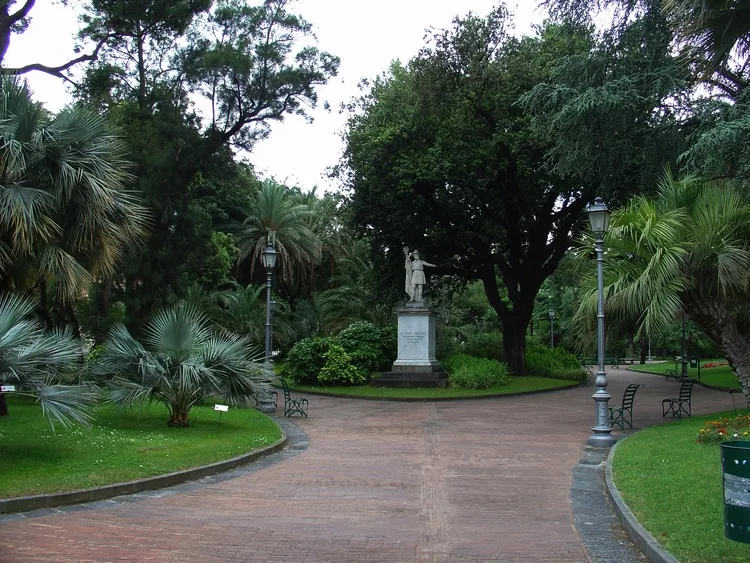
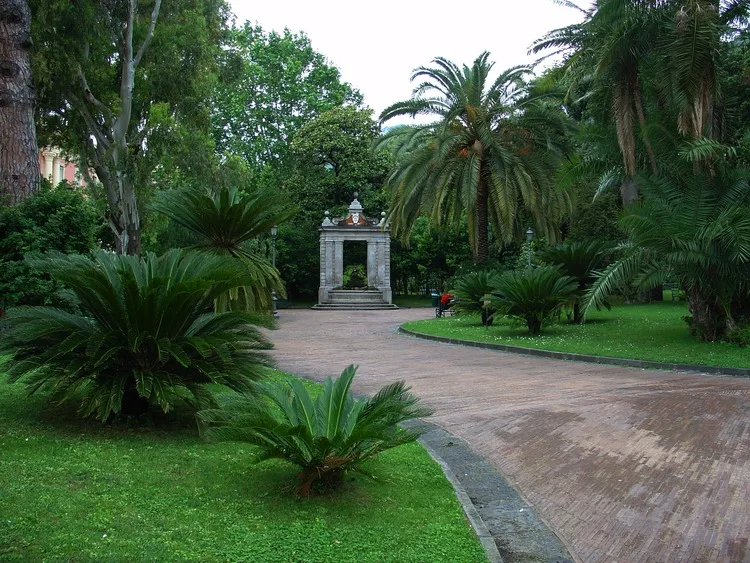
In the ninetiesthe Villa Comunale was interested by aprestigious botanical and architectural restorationthat has seen the extension of the green area, radically redeveloped and destined for botanical garden with the graft ofnew rare plants, related to Mediterranean culture andrestoration of the central fountain and other monuments. The project hasrecovered many original elements: stone and iron seats and remarkable specimens of pines, lecci and palm trees. The use of “antique” plants, to which modern varieties are flanked, enriched thehistorical furnishingsreproposed, theLight and bright floors,sound speakers. On request of the municipal administration avery transparent fencewith numerous gates that made the villa a green zip betweenTheatre, via Roma, ilPalace of Prefectureand theLungomare.
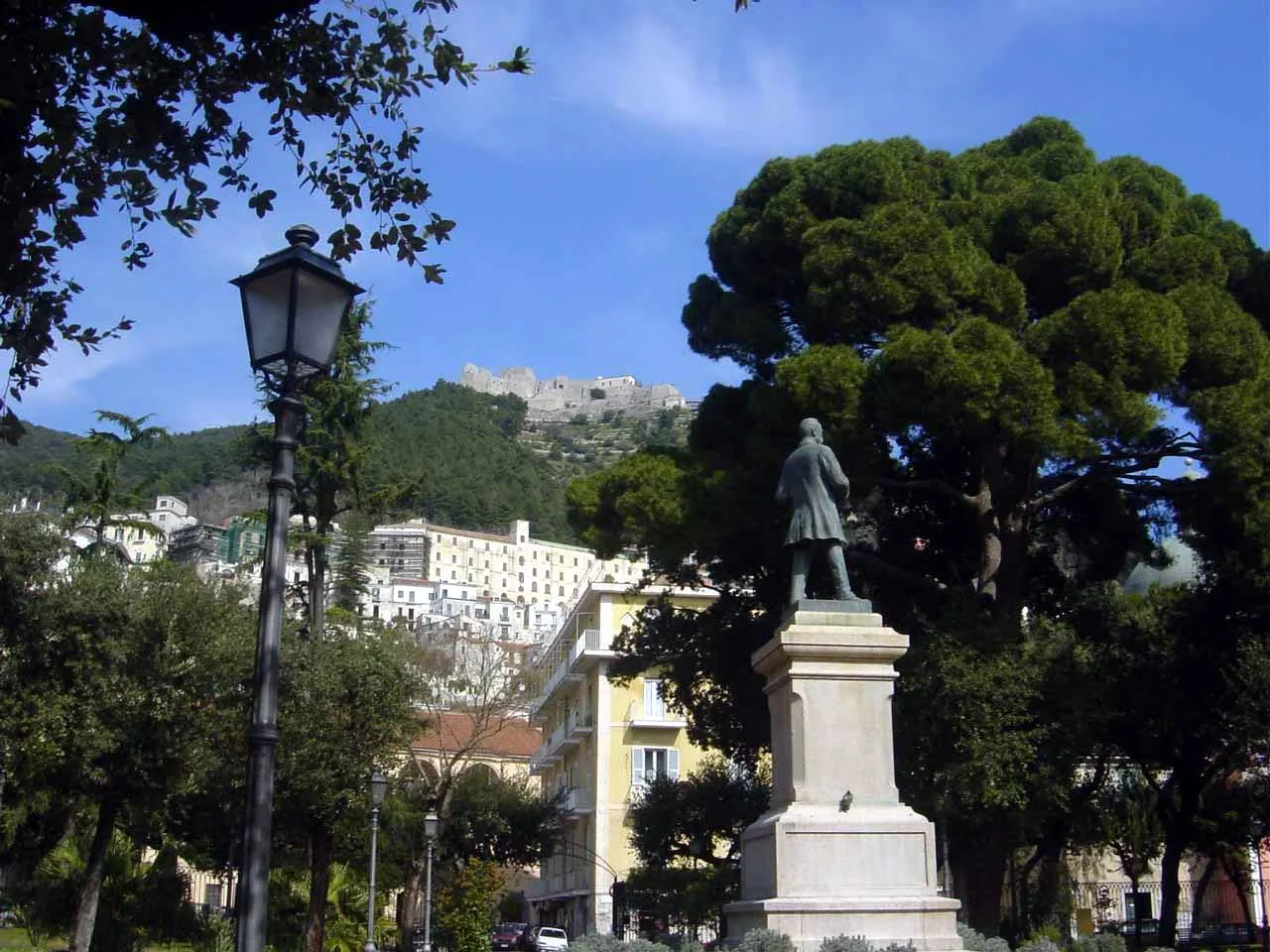
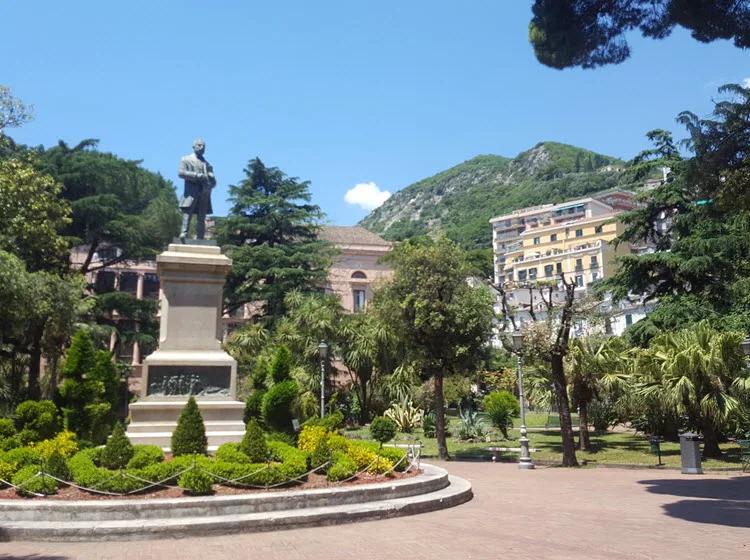
Over the years the garden has been enriched with somemonuments. In 1890 a statue was inaugurated – by Alfonso Balzico – dedicated toGiovanni Nicotera, Minister of the Interior in the De Pretis government of 1876 and participant in the expedition of the “three hundred young and strong”. The original work, created in 1897 by sculptor Alfonso Balzico, was melted to make bullets during the World War, but in the 60’s another of the artist Corrado Patroni was relocated. The new statue represents John Nicotera caught in the act of tearing his death sentence. To the leader of the three hundred expedition,Carlo Pisacane, another monument is dedicated in the Villa, the first for the hero of the landing of Sapri. Most recent aretwo envelopesdedicated to the MPClemente Mauroand the anti-fascist politician and Minister of Government BadoglioJohn C., made by the Salerno sculptor Gaetano Chiaromonte
The Villa Comunale is for yearsheadquarters of various events. In April the traditional“Show of the Minerva”, a market-show of rare plants and objects for the garden. In the winter period, the villa is transformed intoEnchanted garden, with light installationsArtist lights.
We thank Enrico Auletta, architect and landscape designer Aiapp and curator of the restoration project
From April to September from 08:00 to 24:00,
from November to March from 08:00 to 20:00.
Entrance to the municipal villa is allowed up to 30 minutes before closing time